Nations

Offshore oil rigs at sunset

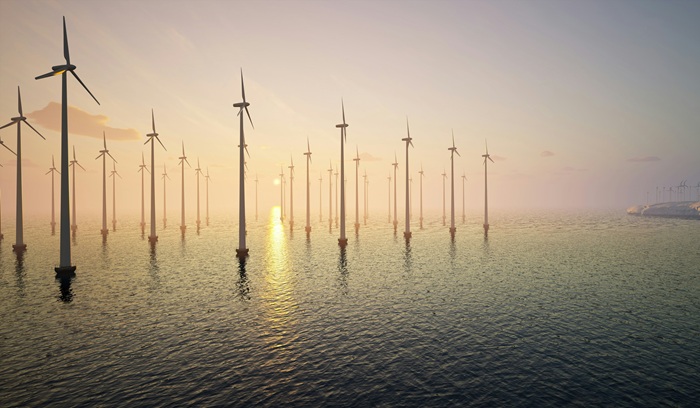
Britain becomes world’s largest economy to end new oil and gas exploration

In a historic move for global climate action, the United Kingdom has officially banned all new oil and gas exploration licenses in the North Sea. This decision makes the UK the world’s largest economy to end the search for new fossil fuels. The government’s “North Sea Future Plan” prioritizes a transition to clean energy, investing heavily in offshore wind and workforce training. This bold policy aligns national strategy with climate science, setting a powerful precedent for other nations to follow.

Leopard in a tree

West Coast region of South Africa sees leopard return after 170 years

In a stunning conservation milestone, a Cape leopard has been spotted on South Africa’s West Coast for the first time in over 170 years. The historic sighting, confirmed by camera trap footage, signals a major recovery of the local ecosystem. The return of this apex predator suggests that natural wildlife corridors are reopening and prey populations are rebounding. This event is a powerful testament to the resilience of nature and the success of long-term habitat protection efforts in the region.

Canadian Indigenous totem poles

The Vatican returns dozens of Indigenous artifacts to Canada

In a major step for reconciliation, 62 Indigenous cultural belongings have been returned to Canada from the Vatican Museums. The collection, which includes a rare century-old kayak and sacred items, was welcomed by First Nations, Inuit, and Métis leaders in Montreal. This repatriation fulfills a promise made by Pope Francis and follows years of advocacy. It marks a powerful moment of cultural revitalization, restoring stewardship of these ancestral items to the communities they belong to.

Aerial view of river running through rainforest

Bolivia declares its first Indigenous protected area in its Amazon

In a historic victory for conservation and Indigenous rights, Bolivia has designated Loma Santa as the first Indigenous Protected Area in its Amazon region. This landmark decision grants legal authority to the Moxeño Ignaciano, Yuracaré, and Tsimane peoples to manage their ancestral lands. By securing land tenure, the move protects vital rainforest ecosystems from illegal encroachment and deforestation. This model of Indigenous-led stewardship empowers local communities and sets a powerful precedent for environmental justice across the Amazon basin.

Pride celebration with pride flag in foreground

Top court rules E.U. nations must mutually recognize same-sex marriages

In a landmark victory for equality, the Court of Justice of the European Union has ruled that all member states must recognize same-sex marriages performed legally within the bloc. This decision ensures that couples married in one EU country retain their rights and civil status when moving to another, even if that country does not perform same-sex marriages domestically. This ruling eliminates a major barrier to freedom of movement, securing residency and family rights for LGBTQ+ citizens across Europe.

Close-up of someone's eye

Egypt becomes world’s 27th nation to eliminate trachoma

In a historic public health victory, the World Health Organization (WHO) has verified that Egypt has eliminated trachoma as a public health problem. This achievement ends the scourge of the world’s leading infectious cause of blindness, which had been documented in the region for over 3,000 years. The success was driven by the rigorous SAFE strategy—surgery, antibiotics, facial cleanliness, and environmental improvement—and protects millions from preventable vision loss.

People walking through young forest

Congo Basin nations launch historic community payments for forest care initiative

A groundbreaking initiative has launched across the Congo Basin to pay local communities directly for protecting their forests. Supported by the Central African Forest Initiative (CAFI), the program uses mobile technology to transfer funds to farmers who engage in sustainable practices like agroforestry and reforestation. With over $100 million in new funding, this effort aims to scale up conservation across the Democratic Republic of Congo, Gabon, and the Republic of Congo. This model empowers local people as the primary guardians of the world’s second-largest rainforest.

Uruguay flag

Uruguay achieves near 100% renewable energy grid

Uruguay has achieved a major energy milestone, generating over 97% of its electricity from renewable sources. This success is built on a strategic mix of wind, solar, hydropower, and biomass, ensuring a reliable and clean grid without reliance on fossil fuel imports. This pragmatic economic policy has stabilized energy costs and created thousands of jobs. Uruguay’s rapid transition provides a powerful, scalable blueprint for other nations seeking energy independence and environmental sustainability.

Judge's gavel

Germany to classify date rape drugs as weapons to ensure justice for survivors

Germany has taken a landmark step to protect survivors of sexual violence by classifying date rape drugs as weapons under criminal law. This decisive move, championed by Interior Minister Alexander Dobrindt, allows for significantly stricter prosecutions and longer sentences for offenders. By legally recognizing the severity of drug-facilitated assault, the government is closing loopholes and prioritizing victim safety. This reform sets a powerful new standard for justice and public safety across Europe.

River running through rainforest

Colombia bans all new oil and mining projects in its Amazon

In a decisive victory for the environment, the Colombian government has declared a halt to all future industrial extraction within its rainforest territories. This policy protects 42% of the nation’s territory, immediately stopping hundreds of pending permits. The ban prioritizes biodiversity, water systems, and Indigenous land rights over short-term profit. By shifting focus to a sustainable bioeconomy, Colombia is setting a powerful example of environmental sovereignty for the entire Amazon basin.