
The Congress of Tucumán declares Argentina’s independence
The Congress was inaugurated in the city of Tucumán, with 33 deputies. The voting ended on July 9 with a declaration of independence.
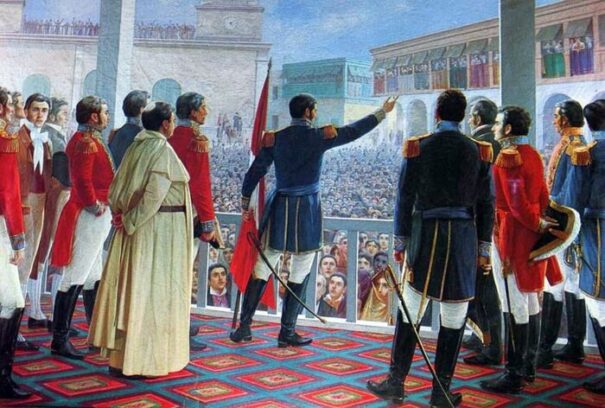
The Congress was inaugurated in the city of Tucumán, with 33 deputies. The voting ended on July 9 with a declaration of independence.

Norway’s Constitution is the second oldest in the world still in continuous force after the United States Constitution.
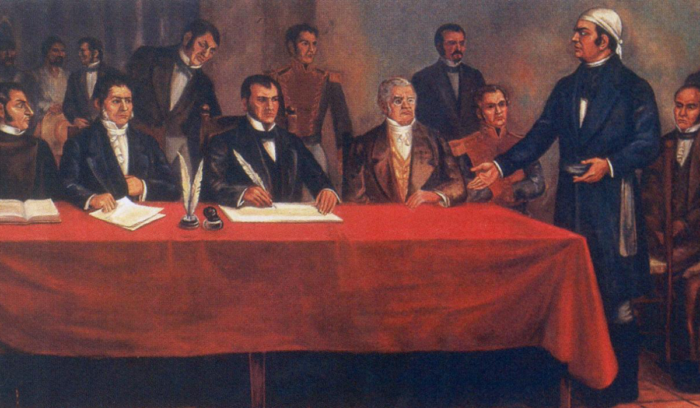
On November 6, the deputies to the Congress signed the first legal document, known as the Acta Solemne de la Declaración de Independencia de la América Septentrional, in which the separation of the New Spain with respect to the Spanish rule is proclaimed.

Independence of Paraguay de facto started on May 14 of 1811 after the Revolution of May 14 when a local ruling junta was created. In early 1811 Paraguayan forces had repeatedly defeated the Argentinian army.

After the 1st call for independence in 1809, 16 years of war followed before the establishment of the Bolivian Republic, named for the Liberator Simón Bolívar, on August 6, 1825.
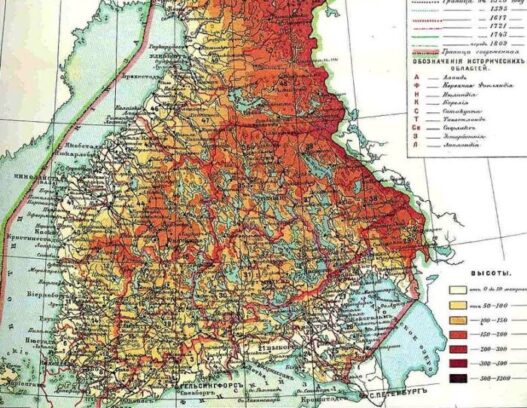
The Grand Duchy of Finland or, more accurately, the Grand Principality of Finland, was the predecessor state of modern Finland. It existed between 1809 and 1917 as an autonomous part of the Russian Empire.
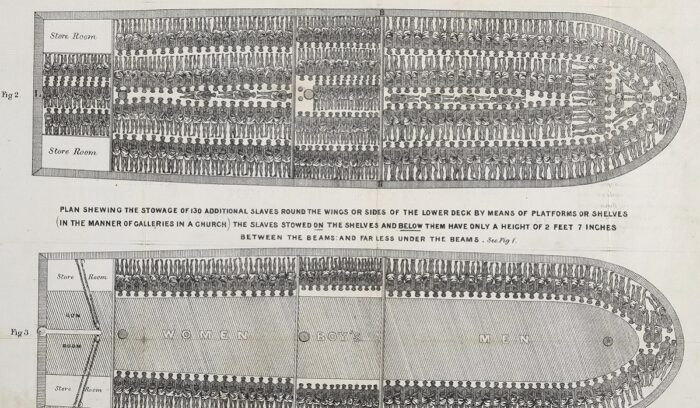
The Royal Navy established the West Africa Squadron in 1808 to patrol the coast of West Africa, and between 1808 and 1860 freed 150,000 Africans aboard slave ships.
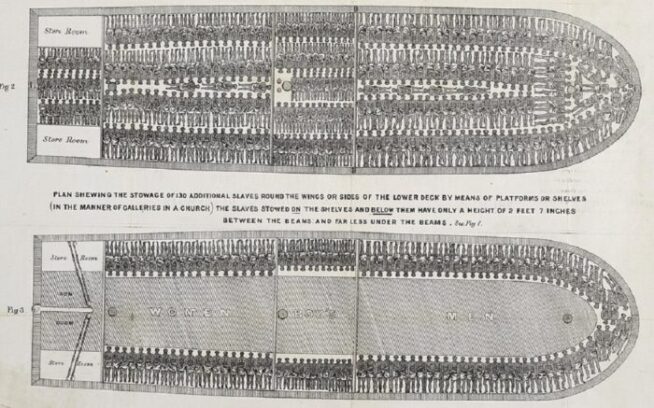
The U.S. Congress passed an act to “prohibit the importation of slaves into any port or place within the jurisdiction of the United States…from any foreign kingdom, place, or country.”

Universal suffrage (or franchise) ensures the right to vote for as many people who are bound by a government’s laws as possible, as supported by the “one person, one vote” principle.

The Bill of Rights amendments add specific guarantees of personal freedoms and rights, clear limitations on the government’s power in judicial and other proceedings, and explicit declarations that all powers not specifically granted to the federal government by the Constitution are reserved to the states or the people.