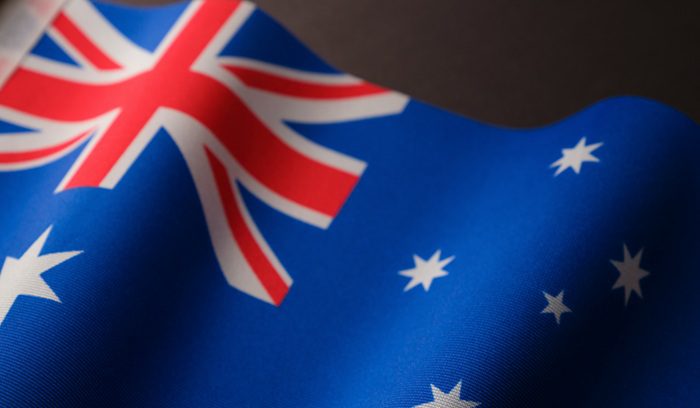
For the first time in history, renewable energy sources supplied more than half of Australia’s electricity over a full calendar year. Solar and wind power together crossed the 50% threshold in 2024 C.E., a milestone that would have seemed far-fetched just a decade ago when coal dominated the grid and renewables barely registered in the double digits.
At a glance
- Australia renewable energy: Renewables generated more than 50% of national electricity in 2024 C.E., led by rooftop solar, utility-scale solar farms, and wind turbines across the country.
- Solar growth: Australia now has one of the highest rates of rooftop solar adoption per capita in the world, with millions of households generating their own power and feeding surplus back to the grid.
- Coal decline: As renewables have surged, coal’s share of the electricity mix has fallen sharply — from roughly 75% a decade ago to well under half today.
How Australia got here
The transformation has been fast by any historical standard. In 2012 C.E., renewables accounted for around 10% of Australia’s electricity. By 2024 C.E., that figure had quintupled.
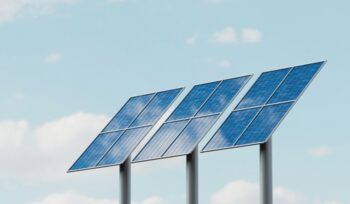
Rooftop solar has been a particularly powerful driver. Australia’s high sunshine hours, falling panel costs, and generous state rebate schemes made household solar installations one of the most popular home upgrades in the country. More than 3.5 million homes now have panels on their roofs — one of the highest adoption rates anywhere on Earth.
Large-scale wind and solar farms have also multiplied rapidly, particularly in South Australia, which has become something of a global case study in high-renewables grid management. That state now regularly runs on 100% renewable electricity for extended periods, something grid engineers once considered technically unworkable.
What the grid had to learn
Reaching 50% required more than just building turbines and panels. It required rethinking how the grid itself works.
Variable renewable energy — power that depends on sun and wind — creates stability challenges that coal and gas plants don’t. Australia’s answer has involved a combination of large battery storage projects, interconnectors between states, demand-response programs, and grid-scale virtual power plants that aggregate thousands of home batteries into a single controllable resource.
The Clean Energy Council and the Australian Energy Market Operator have both flagged that the infrastructure investment needed to carry renewables to 80% or 90% of the grid is substantial — and that the pace of transmission line construction has not always kept up with the pace of generation investment. Grid stability and the retirement timeline for remaining coal plants remain genuine challenges.
What it means for households and emissions
The milestone carries real consequences for carbon emissions. Electricity generation is one of Australia’s largest sources of greenhouse gases, and shifting the grid away from coal is among the fastest ways to cut them.
Lower-income households and renters have benefited less from the rooftop solar boom than homeowners, since installing panels requires owning your roof. Community solar and rental incentive programs exist in some states but remain limited in scale. Ensuring the clean energy transition reaches all Australians — not just those who can afford upfront investments — is an unresolved piece of the picture.
Still, the 50% mark represents a genuine turning point. Australia’s Climate Council has noted that momentum in the energy sector is now self-reinforcing: as more renewables enter the market, the economics of building new coal become worse, and the case for further renewable investment grows stronger.
A country that built its modern economy on coal exports has now crossed a threshold that puts clean electricity in the majority. The next milestone — 80% — is already in sight.
Read more
For more on this story, see: Good News for Humankind
For more from Good News for Humankind, see:
- Ghana expands marine protection at Cape Three Points
- Alzheimer’s risk cut in half by drug in landmark prevention trial
- The Good News for Humankind archive on Australia
About this article
- 🤖 This article is AI-generated, based on a framework created by Peter Schulte.
- 🌍 It aims to be inspirational but clear-eyed, accurate, and evidence-based, and grounded in care for the Earth, peace and belonging for all, and human evolution.
- 💬 Leave your notes and suggestions in the comments below — I will do my best to review and implement where appropriate.
- ✉️ One verified piece of good news, one insight from Antihero Project, every weekday morning. Subscribe free.