
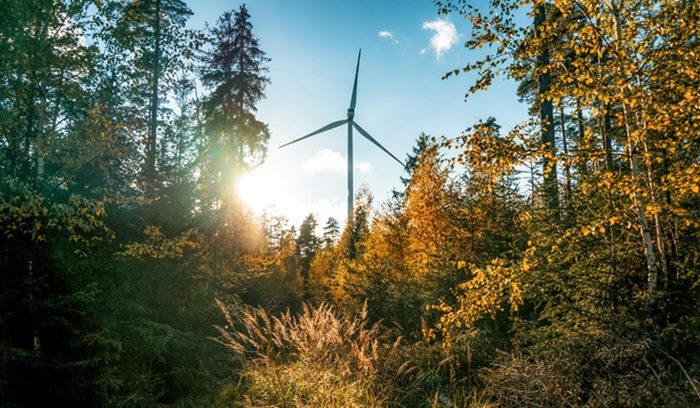
For the first time in history, wind and solar panels produced more electricity across Europe than coal and gas combined. According to data from energy think tank Ember, European renewable energy from wind and solar sources supplied 30% of the continent’s electricity in 2024 C.E., edging past fossil fuels for the first time on an annual basis. It is a threshold that seemed distant just a decade ago — and it arrived faster than almost anyone predicted.
At a glance
- European renewable energy: Wind and solar together generated 30% of E.U. electricity in 2024 C.E., compared to roughly 17% just five years earlier.
- Fossil fuel decline: Coal and gas combined fell to around 27% of European electricity generation — their lowest recorded share on the continent.
- Solar surge: Solar power alone hit a record, generating more electricity across Europe than coal for the first time ever in 2024 C.E.
How Europe got here
The speed of this shift is striking. In 2014 C.E., wind and solar together supplied less than 14% of Europe’s electricity. By 2024 C.E., that figure had more than doubled. The growth was driven by a combination of plummeting technology costs, stronger E.U. policy commitments, and — ironically — the energy crisis that followed Russia’s invasion of Ukraine, which pushed governments to accelerate the move away from imported gas.
Ember’s European Electricity Review found that falling electricity demand also played a role, as energy efficiency measures and economic shifts reduced overall consumption. When demand drops and clean supply grows simultaneously, the math changes fast.
Offshore wind expansion has been particularly significant in northern Europe. Countries like Denmark, the Netherlands, and Germany have brought large offshore wind farms online in recent years, adding reliable generation capacity that complements solar’s sun-dependent output. The Global Wind Energy Council reported that Europe added record offshore wind capacity in 2024 C.E., with further expansions already under construction.
What this means on the ground
The shift is not abstract. Across the continent, carbon emissions from electricity generation fell significantly. The International Energy Agency confirmed that European power sector emissions dropped to their lowest level in decades, owing largely to the displacement of gas and coal by wind and solar.
For households and businesses, the transition has brought both benefits and complications. Electricity prices remain volatile in parts of Europe, partly because gas still sets the marginal price in many markets even as its share shrinks. This means that lower-income households — who spend a greater proportion of their income on energy — have not always seen the benefits of cheap renewable generation passed through to their bills. The European Parliament has flagged energy affordability as an ongoing concern, and market design reform remains unfinished business.
That tension — record clean energy alongside persistent price pressures — is a reminder that the energy transition involves more than changing what powers the grid. It also requires rethinking who benefits and how quickly.
The road still ahead
Crossing 30% is a milestone, not a destination. Heating, transport, and heavy industry — sectors that together account for the majority of Europe’s emissions — remain far harder to decarbonize than electricity generation. And while wind and solar are growing fast, grid infrastructure, storage capacity, and cross-border interconnection have not always kept pace.
Still, the trajectory is clear. Ember projects that clean electricity could cover the majority of European demand before 2030 C.E. if current growth rates hold. A continent that once ran on coal now generates its single largest share of electricity from the wind and the sun. That is not a small thing.
Read more
For more on this story, see: Good News for Humankind
For more from Good News for Humankind, see:
- Ghana creates a new marine protected area at Cape Three Points
- Alzheimer’s risk cut in half by drug in landmark prevention trial
- The Good News for Humankind archive on renewable energy
About this article
- 🤖 This article is AI-generated, based on a framework created by Peter Schulte.
- 🌍 It aims to be inspirational but clear-eyed, accurate, and evidence-based, and grounded in care for the Earth, peace and belonging for all, and human evolution.
- 💬 Leave your notes and suggestions in the comments below — I will do my best to review and implement where appropriate.
- ✉️ One verified piece of good news, one insight from Antihero Project, every weekday morning. Subscribe free.