Good News

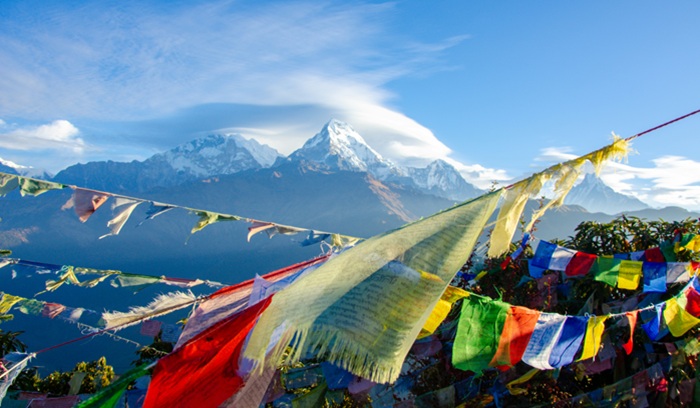
Poon Hill, Histan Mandali, Nepal

Nepal eliminates rubella as a public health problem

Nepal has officially eliminated rubella, a contagious virus that can cause serious complications for pregnant women and lifelong disabilities for newborns. Once a major public health concern, rubella often led to miscarriage, stillbirth, or congenital rubella syndrome, which can result in heart defects, deafness, and developmental challenges. Thanks to sustained vaccination campaigns and resilient health systems, Nepal has now achieved over 95% coverage since 2012. Verified by the World Health Organization, this milestone means safer pregnancies, healthier children, and greater hope for future generations.
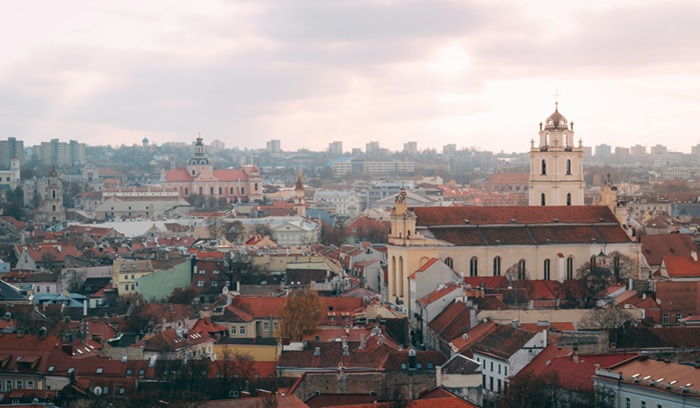
Vilnius, Lithuania

Lithuania court recognizes same-sex couple in historic ruling

A Vilnius City District Court has for the first time granted state recognition to a same-sex couple in Lithuania, affirming them as a legal family and enabling them to access social and economic benefits tied to family status. Although Lithuania’s Constitution explicitly bans same-sex marriage and the Civil Code restricts civil partnerships to opposite-sex couples, the court’s decision aligns with a landmark April 17, 2025, ruling by the Constitutional Court. That decision declared these restrictions unconstitutional, calling on Lithuania’s Parliament to enact partnership legislation—and, in the meantime, allowing courts to grant recognition.

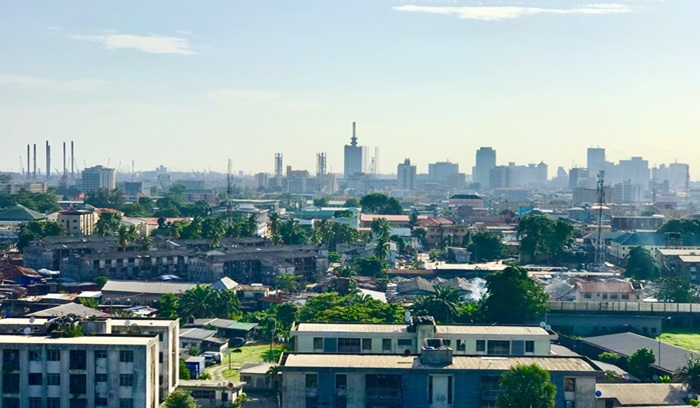
Lagos, Nigeria

Lagos bans single-use plastics

On July 1, 2025, Lagos introduced a ban on single-use plastics like Styrofoam plates, straws, and cutlery. The city—home to 20 million people—has long battled severe plastic pollution, with clogged waterways worsening floods and harming health. The ban is already driving grassroots recycling, sparking innovation in sustainable packaging, and raising public awareness about waste reduction. If supported by stronger enforcement, better waste systems, and affordable alternatives, this move could slash hundreds of thousands of tons of plastic waste annually—positioning Lagos as a model for African cities aiming to protect their environment and build a cleaner, more resilient future.

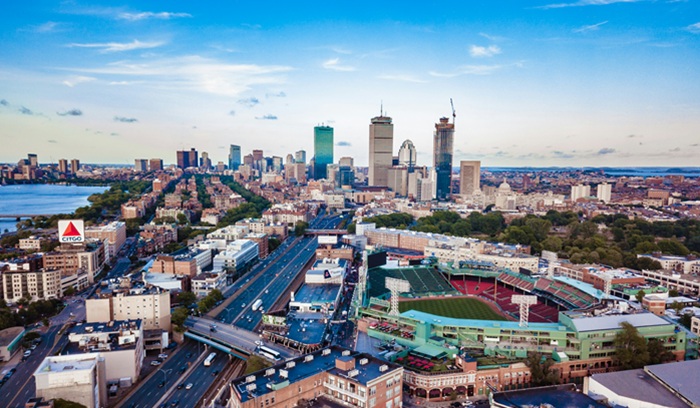
Boston skyline with Fenway Park in foreground

Massachusetts governor signs new shield law for abortion & trans health care

A new shield law in Massachusetts, signed by Governor Maura Healey, has created a legal sanctuary for reproductive and gender-affirming care. The law protects patients and providers from out-of-state legal attacks, including subpoenas and lawsuits. It builds on previous protections for abortion and now extends the same legal safeguards to transgender healthcare. This measure reinforces the state’s commitment to protecting essential, evidence-based medical care in the face of national legislative challenges.

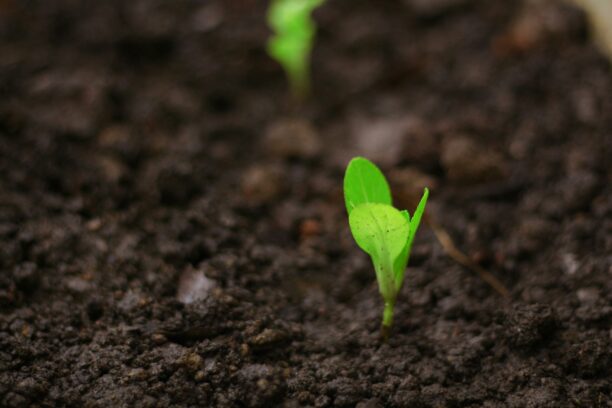
Plant sprouting from the soil

Ethiopia to plant 700 million trees in one day

Ethiopia has launched a record-breaking push to plant 700 million trees in a single day, part of a plan to grow 50 billion by 2026 to fight deforestation, boost livelihoods, and tackle climate change. By early morning, 14.9 million people had already planted 355 million seedlings. The nationwide effort has been championed by Prime Minister Abiy Ahmed since 2019 as a personal and national priority.

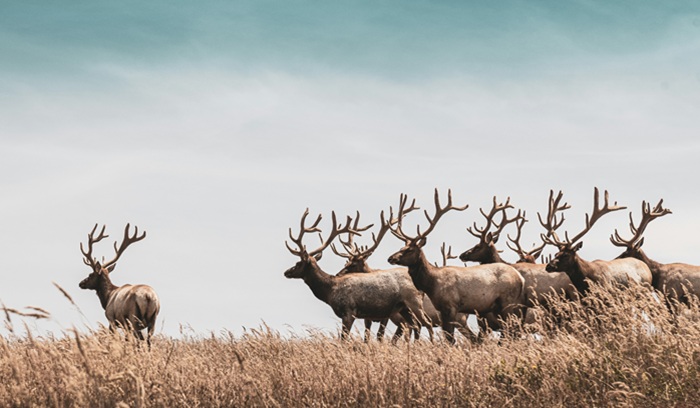
Herd of elk

Colorado is building the ‘world’s largest’ wildlife overpass

Colorado is building one of the world’s largest wildlife overpasses across Interstate 25 between Denver and Colorado Springs. The $15 million Greenland Wildlife Overpass will be 200 feet wide and 209 feet long, giving elk, mule deer, and pronghorn a safe route across six lanes of highway. Designed with natural vegetation and sloped entrances, the structure is expected to cut vehicle-animal collisions by up to 90% while reconnecting 39,000 acres of habitat to Pike National Forest. Scheduled for completion in late 2025, the project shows how infrastructure can reduce accidents and restore ecological connectivity.

Inside Vatican dome

Vatican strikes solar farm deal to become the world’s first carbon-neutral state

Italy has agreed to a Vatican plan to build a solar farm on 1,000 acres near Rome, aiming to make Vatican City the world’s first carbon-neutral state. The Santa Maria Galeria project will generate enough clean energy for the micronation while preserving the land’s agricultural use and minimizing environmental impact. This step marks a significant commitment by the Vatican toward sustainability and climate leadership.

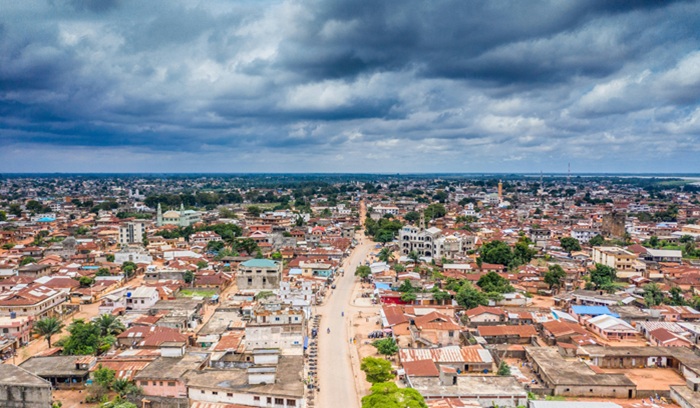
Porto-Novo, Benin

Benin grants citizenship to descendants of enslaved people

Citizenship of the West African nation is now open to anyone above 18 who doesn’t already hold other African citizenship and can provide proof that an ancestor was deported via the slave trade from anywhere in sub-Saharan Africa. Beninese kings actively participated in capturing and selling enslaved people to Portuguese, French, and British merchants. Benin has long been working to reconcile with its legacy of complicity. It has openly acknowledged its role in the slave trade, a stance not shared by many other African nations that participated.

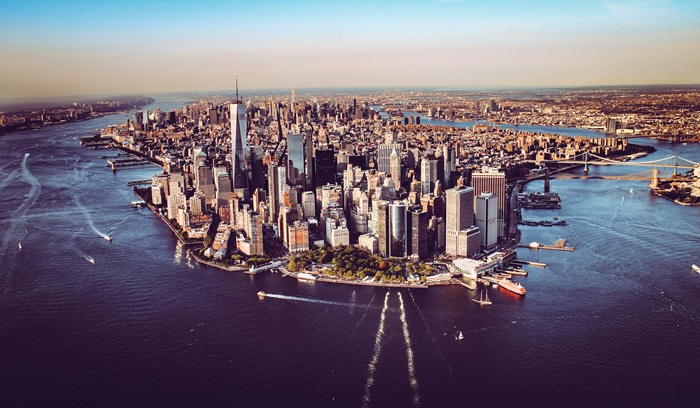
Aerial view of South Manhattan

New York becomes first U.S. state to require all-electric new buildings

Buildings are one of New York’s biggest climate polluters, responsible for nearly a third of the state’s emissions. In 2025, the state finalized the nation’s first statewide gas ban, requiring most new buildings to run on electric systems, with larger ones following in 2029. A federal court upheld the law, clearing the way for implementation. By ending fossil fuel hookups in new construction, New York is cutting a major source of greenhouse gases, improving air quality, and creating a model for other states—pushing the country closer to a future where all buildings help solve the climate crisis, not fuel it.