Good News

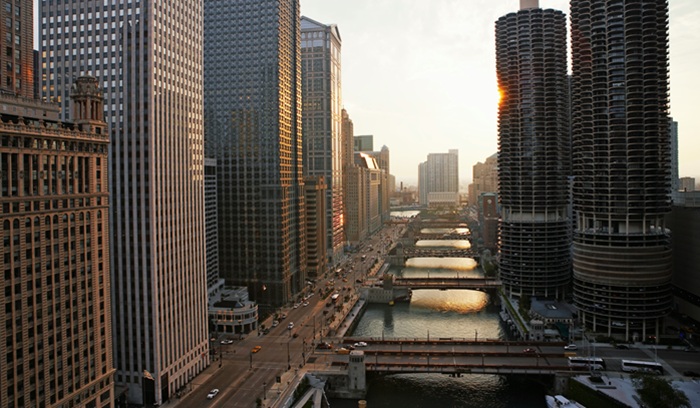
Downtown Chicago and Chicago River

Chicago to hold first open water swim in Chicago River in nearly a century

The Chicago River, once devastated by pollution, has seen a remarkable turnaround, with cleaner water, expanding wildlife, and renewed public confidence. Conservation groups now report diverse fish species, turtles, and birds thriving along the river, while the city prepares for its first open-water swim in nearly a century. Years of effort—ranging from sewage treatment upgrades to floating wetlands and volunteer cleanups—have driven the transformation. Challenges like stormwater overflows remain, but the river’s revival demonstrates what persistent investment, advocacy, and collaboration can achieve.
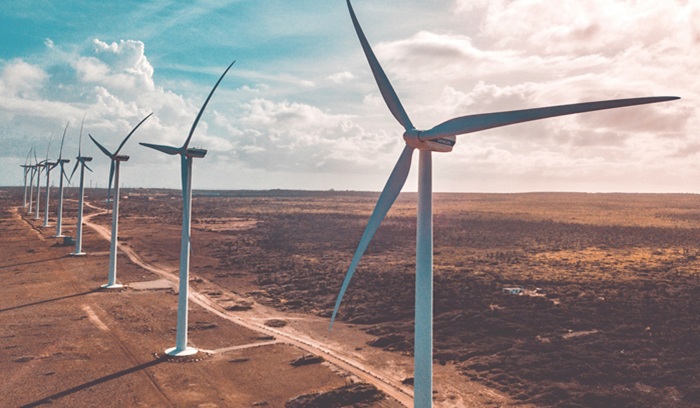

Wind turbines in the desert

Clean energy to provide one-third of India’s utility electricity for first time ever

India’s energy sector is experiencing a monumental shift, marked by a record 20% surge in clean electricity generation in the first half of 2025. This significant increase, fueled by wind and solar power, has allowed the country to reduce its fossil fuel output by 4%. The growing share of clean power in India’s energy mix demonstrates that robust economic growth and environmental sustainability are not mutually exclusive goals.

South Korean flags

South Korea to ban mobile phones in school classrooms

South Korea has passed a landmark law banning mobile phones and other digital devices in classrooms starting March 2026, aiming to create healthier learning environments. The move follows rising concerns about social media overuse, with many students reporting anxiety and daily disruptions linked to constant online engagement. Exceptions will remain for students with disabilities, emergencies, or educational needs, ensuring the policy enhances learning rather than restricts it. By joining countries like the Netherlands, France, and Australia that have already taken similar steps, South Korea is part of a growing global effort to help young people focus, connect, and thrive.

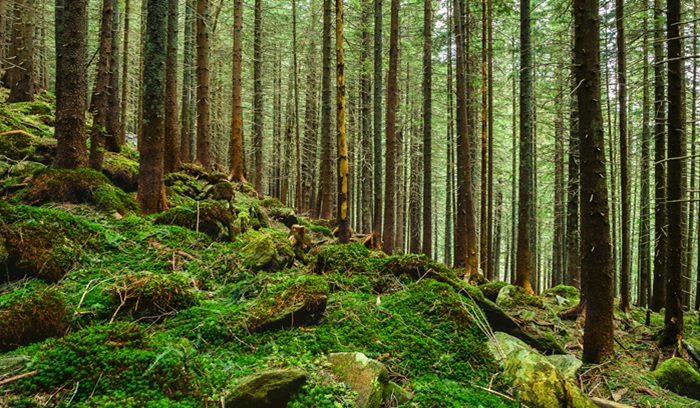
Forest scene

Washington State to conserve 77,000 acres of “legacy forests” on state lands

Washington has announced a landmark step in forest conservation, protecting 77,000 acres of legacy forests across the state. These ecologically rich areas provide critical wildlife habitat, store carbon, and build wildfire resilience. By conserving legacy forests while supporting rural economies, Washington is charting a path toward sustainable forestry and climate resilience.

Trans pride flag

Kenyan court orders trans rights bill in landmark legal ruling

Kenya’s Eldoret High Court has issued a historic ruling affirming the rights and dignity of transgender people. The case, brought by activist Shieys Chepkosgei, challenged invasive treatment she endured while in custody, with the court declaring her rights had been violated. Judges awarded damages and, most significantly, ordered Parliament to draft legislation protecting transgender people from discrimination. Advocates call the decision a breakthrough for equality in a country where LGBTQ+ communities face stigma and legal barriers. While challenges remain, the ruling is a hopeful step toward recognition, dignity, and stronger protections for transgender Kenyans.

Produce in reusable bags

Vermont plastic bag use dropped 91% following ban

Vermont banned single-use plastic bags in July 2020, after lawmakers passed the measure in 2019 to curb mounting plastic pollution. A study from the University of Vermont found the ban reduced plastic bag use by 91%, with most residents shifting to reusable bags despite a small rise in paper use. Public support has remained strong, with 70% of Vermonters backing the law, and researchers credit grassroots advocacy and clear rules for its success. Vermont’s experience shows how well-designed legislation can reduce waste, protect ecosystems, and inspire broader action against plastic pollution worldwide.

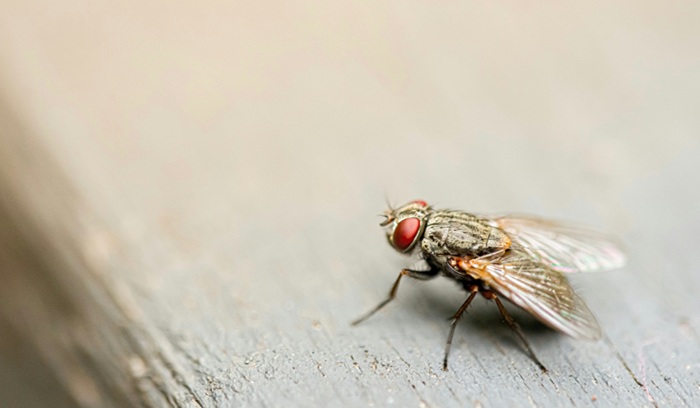
Fly

Kenya declared free of deadly sleeping sickness by WHO

Kenya has officially eliminated sleeping sickness as a public health problem—becoming the tenth country worldwide and the fifth in Africa to reach this milestone. The disease, spread by tsetse flies, causes fever, swollen lymph nodes and, if untreated, severe damage to the nervous system, disrupting sleep and leading to coma or death. Kenya recorded its last local case in 2009 and its last imported cases in 2012 after years of investment in surveillance, diagnostics and fly control. With WHO validation, Kenya’s success strengthens Africa’s collective drive to eliminate sleeping sickness across the continent by 2030.

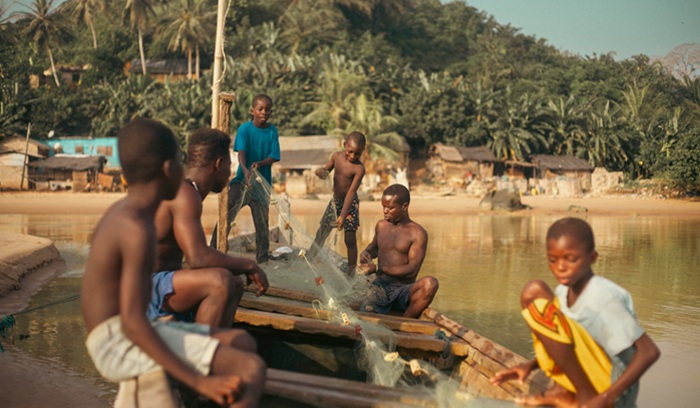
Fishing people in Ghana

Ghana passes landmark legislation to protect artisanal fisheries

Ghana has enacted the Fisheries and Aquaculture Act of 2025, a landmark reform that strengthens protections for its artisanal fishing communities. The law doubles the inshore exclusion zone (IEZ) from 6 to 12 nautical miles, effectively banning industrial trawlers from critical coastal waters and safeguarding vital breeding grounds. It also introduces mandatory electronic monitoring on industrial vessels, tougher penalties for illegal activity, and greater autonomy for the Fisheries Commission in managing marine resources. Signed into law by President Mahama on August 19, the reform is widely seen as a major step toward rebuilding overfished stocks, defending livelihoods, and positioning Ghana as a leader in sustainable West African fisheries management.

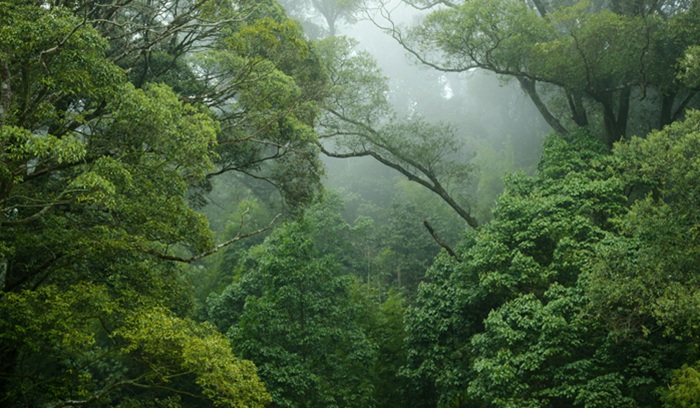
Rainforest

Guatemala, Mexico, and Belize to protect 14 million acres of Mayan forest

Leaders from Mexico, Guatemala, and Belize have unveiled formal plans to establish the Great Mayan Jungle Biocultural Corridor, a transnational conservation initiative spanning over 14 million acres of tropical forest. This corridor will become the second-largest protected area in the Americas, following only the Amazon. The initiative aims to combat deforestation, illegal logging, and organized crime by integrating strong security measures with community-led conservation efforts. A governing council comprising environmental and Indigenous representatives will oversee development projects within the reserve, ensuring they align with ecological and cultural preservation goals.

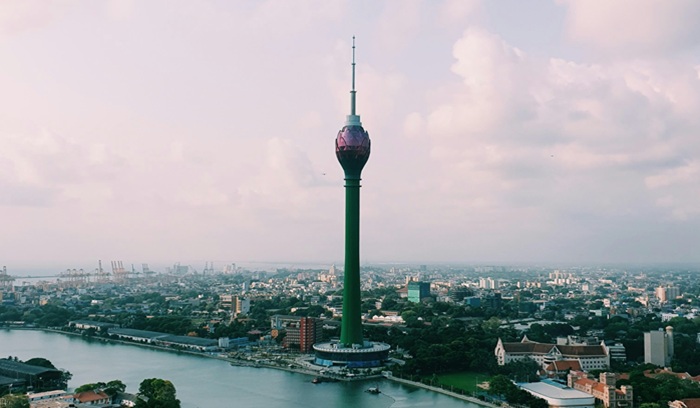
Colombo, Sri Lanka

Sri Lanka Supreme Court orders $1 bn payment for X-Press Pearl disaster

Sri Lanka’s Supreme Court has issued a landmark verdict, ordering the owners, operators, and local agents of the MV X-Press Pearl to pay $1 billion in compensation for the catastrophic marine disaster off Colombo in 2021. The Singapore-flagged ship caught fire and sank, releasing billions of plastic nurdles and toxic chemicals, ruining marine ecosystems and coastal livelihoods. The court upheld the “polluter pays” principle and mandated the creation of an independent compensation commission, with the first instalment due by September 23, 2025. This judgment sets a powerful precedent for environmental justice and accountability in the Global South.