
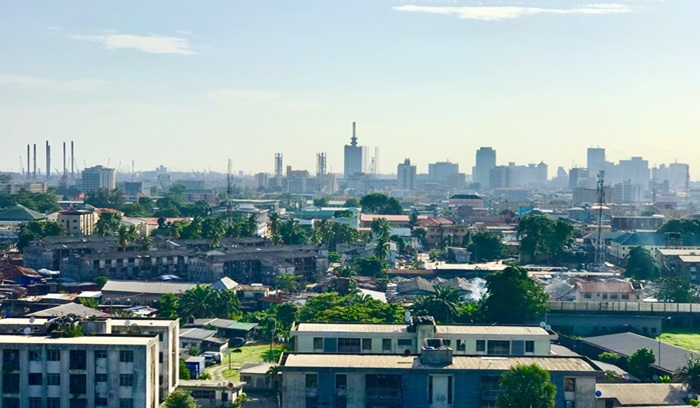
Lagos, one of the world’s most plastic-polluted cities, has enacted a ban on single-use plastics effective July 1, 2025. The legislation prohibits common disposable items such as styrofoam containers, cutlery, plates, and straws, with violators facing possible business closure. The move comes as the city grapples with generating 870,000 tons of plastic waste in 2024—one of the highest contributions globally by a single city (AP News; Reuters).
Urgency Rooted in Waste and Flooding
Lagos produces at least 13,000 tons of waste daily, nearly one-fifth of which is plastic. Poor waste management has allowed plastics to flood into waterways, clog canals, and pollute beaches—exacerbating the city’s recurring flooding issues (AP News; Wikipedia: Lagos). The initiative is part of a broader national effort to curb plastic pollution, following a 2024 federal policy aimed at reducing certain plastics by 2025, including straws, plastic bags, and bottles.
Enforcement Gaps and Public Hesitancy
Despite the official ban, enforcement remains weak. Informal sellers and vendors continue to use banned items due to lack of affordable alternatives and minimal monitoring. A shop operator admitted using styrofoam-packaged food daily, especially since cheaper, convenience-driven options remain dominant (AP News). Local environmental activist Olumide Idowu warned that without strong enforcement and accessible alternatives, the ban’s effectiveness will be limited (AP News).
Grassroots Recycling Efforts and Innovation
In the Obalende neighborhood, informal waste sorters work with razor blades to strip labels from soft drink bottles, preparing them for recycling. These individuals earn roughly 5,000 naira (around USD 3.26) daily—an indication of innovative, low-income recycling solutions. Firms like Wecyclers are partnering with Lagos State to incentivize recycling by compensating low-income households for recyclable waste, helping build a circular economy (AP News; Wikipedia: Wecyclers).
Civil Society Urges Manufacturer Accountability
Environmental advocates argue the ban alone is insufficient. They call on manufacturers to design products for recycling and to establish take-back systems. Without industry cooperation and a shift toward truly circular production models, single-use plastics will continue to overwhelm urban environments. Greenpeace Africa emphasized that this is a call for sustainable innovation, not punitive regulation (Greenpeace Africa).
Global and Local Policy Context
Lagos’s move coincides with ongoing negotiations in Geneva for a binding global plastics treaty—a process hindered by resistance from oil-exporting countries reluctant to regulate plastic production. Experts emphasize that reducing plastic pollution requires coordinated local action, international policy alignment, and industry engagement (AP News).
Looking Ahead
The single-use plastics ban in Lagos is a bold and necessary initiative, but its impact hinges on systemic support. Effective enforcement, affordable and sustainable alternatives, robust waste management infrastructure, and behavioral change are essential to make it meaningful. For now, the ban serves as a catalyst for innovation and civic mobilization—a step toward reshaping the city’s relationship with plastics.
More Good News
-

Alzheimer’s risk cut in half by drug in landmark prevention trial
A clinical trial from Washington University in St. Louis and published in The Lancet Neurology found that long-term high-dose treatment with the antibody drug gantenerumab reduced Alzheimer’s risk by roughly 50% in people with dominantly inherited Alzheimer’s disease — a rare genetic form caused by mutations that make the disease near-certain. The results are statistically uncertain and apply to less than 1% of all Alzheimer’s cases, but they provide the first evidence that removing amyloid plaques before symptoms appear can meaningfully change the course of the disease.
-

Marie-Louise Eta becomes the first female head coach in men’s top-flight European football
Marie-Louise Eta, 34, was appointed head coach of Bundesliga side Union Berlin on April 12, 2026, becoming the first woman to hold the top coaching position at a men’s club in any of Europe’s Big Five leagues — the Premier League, La Liga, Serie A, Ligue 1, and Bundesliga. A Champions League winner as a player with Turbine Potsdam in 2010, Eta had already broken barriers as the first female assistant coach in the Bundesliga in 2023. She takes charge for the final five matches of the season as Union Berlin fights to secure top-flight survival, after which she was…
-

Renewables now make up at least 49% of global power capacity
Renewable energy reached 49.4% of total global installed power capacity by end of 2025, up from 46.3% in 2024, according to the International Renewable Energy Agency’s Renewable Capacity Statistics 2026. The world added 692 gigawatts of new renewable capacity last year — the largest annual addition ever recorded — with solar alone contributing 511 gigawatts. Africa recorded its highest renewable expansion on record, and the Middle East its fastest-ever growth. IRENA Director-General Francesco La Camera noted that countries investing in renewables are absorbing the current Middle East energy crisis with measurably less economic damage than fossil-fuel-dependent economies.
-

Global suicide rate has fallen by 40% since 1995
A landmark study published in The Lancet Public Health by researchers at the Institute for Health Metrics and Evaluation at the University of Washington found that the global age-standardized suicide mortality rate fell nearly 40% between 1990 and 2021 — from 15 deaths per 100,000 people to nine. The decline was driven by measurable interventions including restrictions on toxic pesticides, expanded mental health services, and national prevention strategies. Female suicide rates fell more than 50% globally over the period. Roughly 740,000 people still die by suicide each year, and rates have risen in parts of Latin America and North America,…
-
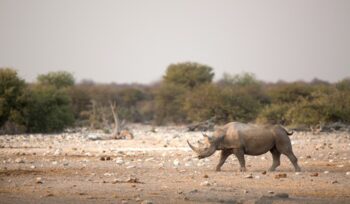
Rhinos are reintroduced back into Uganda’s wild after 43 years
The Uganda Wildlife Authority havetranslocated the first southern white rhinos to Kidepo Valley National Park — 43 years after the last rhino in the park was killed by poachers in 1983. The animals came from Ziwa Rhino Sanctuary, a breeding program established in 2005 with just six individuals that has grown Uganda’s total rhino population to 61. Four more rhinos will follow by May, with a separate group already relocated to Ajai Wildlife Reserve in January 2026. The reintroduction restores a key grazing species to one of Africa’s most remote savannah ecosystems and makes Kidepo the only national park in…