Good News

Australian money

Australia cuts student debt by 20%, easing pressure on millions

Australia will cut student loan balances by 20%, delivering over A$16 billion in relief to three million people. A graduate with an average loan of A$27,600 will see about A$5,520 erased, with changes backdated to June 1, 2025, before a 3.2% inflation adjustment. The law also lifts the repayment threshold to A$67,000 in annual income, easing the burden on lower earners and delaying repayments for many.
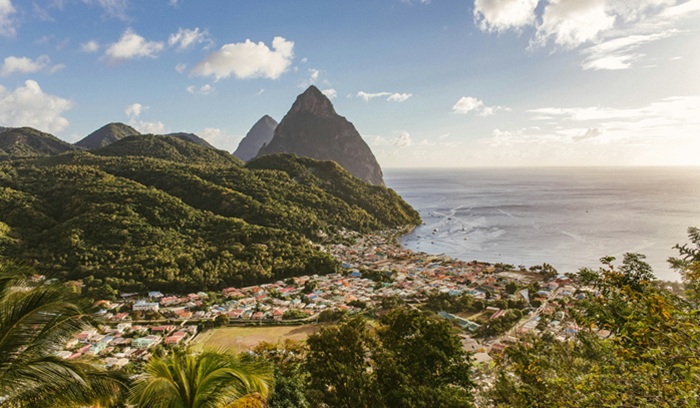
St. Lucia landscape and coastline

Court strikes down nation of Saint Lucia’s homosexuality ban

For years, the Caribbean island nation’s gross indecency and buggery laws have criminalized same-sex relations, even in private. Under those laws, consensual male homosexuality could be punished with up to ten years’ imprisonment. Even attempting to “commit buggery” could be met with a sentence of five years. Now, the Eastern Caribbean Supreme Court has ruled that the law violates the rights to privacy, life, liberty, security of the person, freedom of expression, protection from discrimination on the basis of sex, and protection of the law.

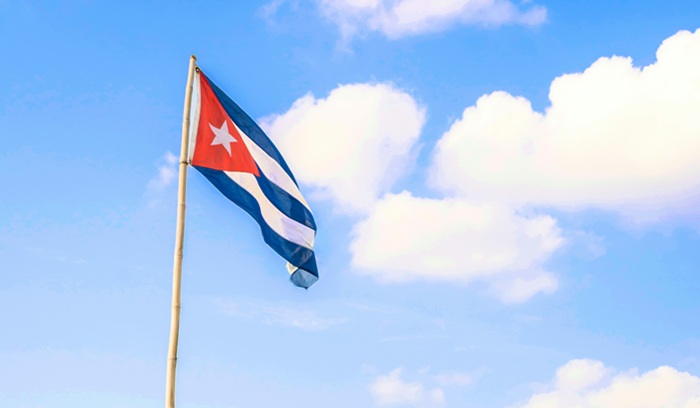
Cuban flag

Cuba now allows trans people to change ID gender markers without requiring surgery

Cuba’s National Assembly of People’s Power has passed a landmark law granting people the right to change their gender markers without first proving they’ve undergone genital-affirming surgery—a breakthrough victory years in the making for the nation’s trans and nonbinary communities. The new Civil Registry code also expands recognition of love and partnership, formally acknowledging unmarried couples through emotional unions and cohabitation agreements. Together, these reforms mark a major step toward greater dignity, equality, and legal inclusion for all Cubans.

Good news for public health

U.S. Food & Drug Administration approves world’s first 100% effective HIV prevention drug

The U.S. FDA has approved lenacapavir (Yeztugo), the first HIV prevention shot that’s given just twice a year. In large studies, it was virtually 100% effective—no HIV cases were seen in one trial, and only two cases occurred in another with more than 2,000 people. This long-lasting protection could make it much easier for people to stay protected, especially for those who find taking a daily pill difficult. By reducing the need for frequent dosing, the new treatment has the potential to greatly expand access to HIV prevention and help move the world closer to ending the deadly epidemic that has killed more than 44 million people worldwide since 1981.

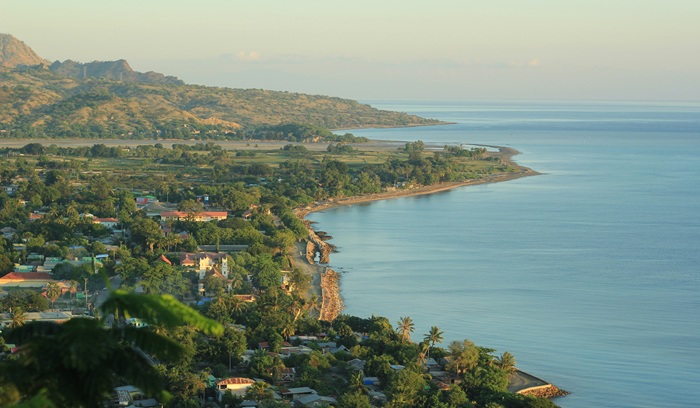
Timor-Leste coastline

World Health Organization certifies Timor-Leste as malaria-free

The World Health Organization certifies malaria elimination when a country has zero indigenous cases for three consecutive years. So far, 47 countries and one territory have earned this status. A Southeast Asian nation, committed to fighting malaria since gaining independence in 2002, has now joined them—demonstrating the impact of sustained, focused efforts to defeat this devastating disease.

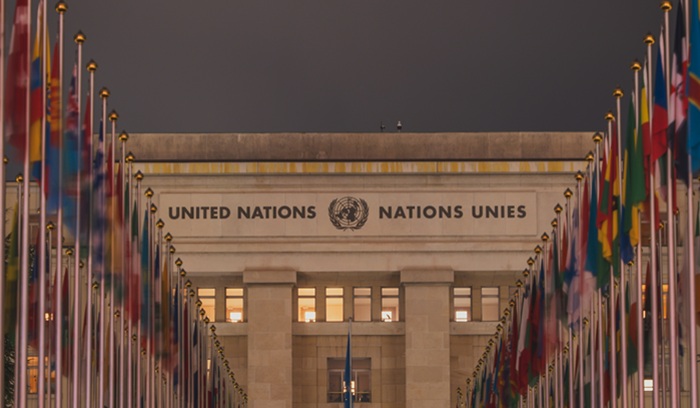
UN building and world flags

World Court says countries are legally obligated to curb emissions and protect climate

A landmark decision by the International Court of Justice in The Hague, Netherlands has cleared the way for countries to sue each other over climate change. Campaigners and climate lawyers have called this a “watershed legal moment” and hope the decision will pave the way for compensation from countries that have historically burned the most fossil fuels. The unprecedented case was the brainchild of a group of young law students from low-lying Pacific islands on the frontlines of climate change, who came up with the idea in 2019.

Amur leopard

Amur leopards, once nearly extinct, are making a comeback in Far East Asia

In the 20th century, poaching for its spotted fur, forest fires and conversion of land for farming caused the wildcat’s population to plummet to roughly 25 individuals in the wild. Today, there are approximately 130 in Russia alone, according to a recent Wildlife Conservation Society report. Efforts to save the species date back decades. Collaboration between conservationists and Russian government agencies helped establish protected areas in the Primorsky Krai region since 1979, which halted the leopard’s rapid decline, according to WWF.

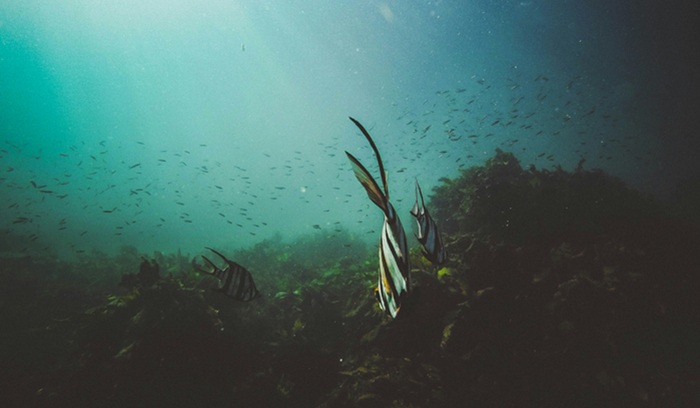
Fishes underwater

Portugal announces a massive new marine protected area

The new marine protected area covers 38,000 square miles surrounding the Gorringe Ridge, home to 850 marine species. The Gorringe Ridge is the tallest seamount—a large submarine volcanic mountain—in Western Europe, and is known for its biodiversity. Among its most famous inhabitants are “soft corals,” or gorgonians, and deep-sea sponges, which call the 1,100 reefs found throughout the ridge home. Portugal has now raised its percentage of total protected territorial waters from 19% to 27%.

Sun shining with wind turbines rising above clouds

More than 90% of global new renewable energy capacity is now cheaper than fossil fuels

The global switch to renewable energy has passed a “positive tipping point,” according to two United Nations reports. Solar is now 41% cheaper than fossil fuels worldwide. Not long ago, it was four times the cost. Offshore wind is now also 53% cheaper and the most affordable source of new renewable energy. Even more, costs for renewables are expected to keep dropping as technology matures and supply chains strengthen.

Northern lights over teepees

New partnership funds Indigenous-led protection of Canadian lands twice the size of Florida

In Canada’s Northwest Territories, a landmark pact is uniting federal, territorial, and 21 Indigenous governments to protect nature on an unprecedented scale. Covering current preserves plus 75,000 square miles of new conserved lands — twice Florida’s size and more than 2% of Canada’s landmass — the agreement will channel over $300 million to Indigenous-led stewardship, conservation, and ecotourism.