Good News

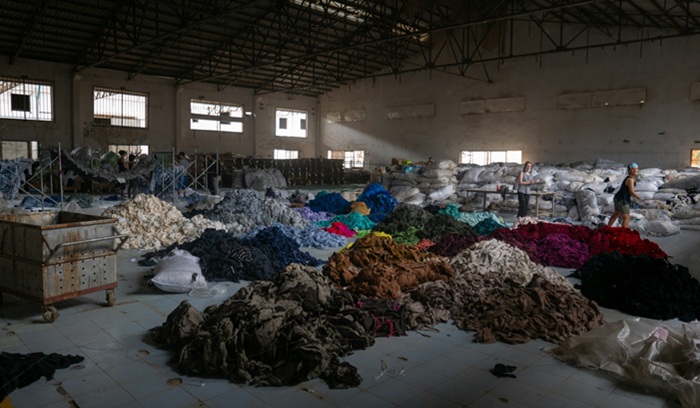
Abandoned factory full of colorful textiles

E.U. bans the destruction of unsold clothing in bid to reduce waste and emissions

The European Union has officially adopted groundbreaking legislation banning the destruction of unsold clothing, apparel accessories, and footwear to drastically reduce waste and emissions. As part of the Ecodesign for Sustainable Products Regulation, this new ban directly targets the massive environmental impact of fast fashion overproduction. Following France’s lead as the first country to implement such a ban, the E.U. is forcing large corporations to reuse, donate, or recycle excess inventory instead of incinerating it. This policy sets a powerful global precedent for transitioning the fashion industry toward a truly circular economy.


Medieval Indian sculpture

U.S.’s Smithsonian Institution to return stolen medieval sculptures to India

The Smithsonian National Museum of Asian Art is officially returning three ancient bronze sculptures to India after an internal investigation confirmed they were illegally removed from Tamil Nadu temples in the mid-twentieth century. In a unique collaborative agreement, the Indian government will allow one returned sculpture, a tenth-century Shiva Nataraja, to remain at the Washington museum on a long-term loan for educational display. This arrangement highlights a growing international commitment to decolonizing museum spaces, prioritizing transparent provenance research, and fostering cross-cultural cooperation to correct historical wrongs.

African baby and mother

Sierra Leone opens its first-ever NICU in historic milestone for maternal health

In a historic milestone for global health, Sierra Leone has opened its first-ever neonatal intensive care unit (NICU) at the new Maternal Center of Excellence in Kono District. This state-of-the-art facility, built by Partners In Health and the local government, was largely funded by the “Nerdfighteria” community led by Hank and John Green, who raised over $50 million. The center aims to drastically reduce maternal and infant mortality by providing advanced care, including piped oxygen and surgical suites, while serving as a teaching hospital for the next generation of local clinicians.

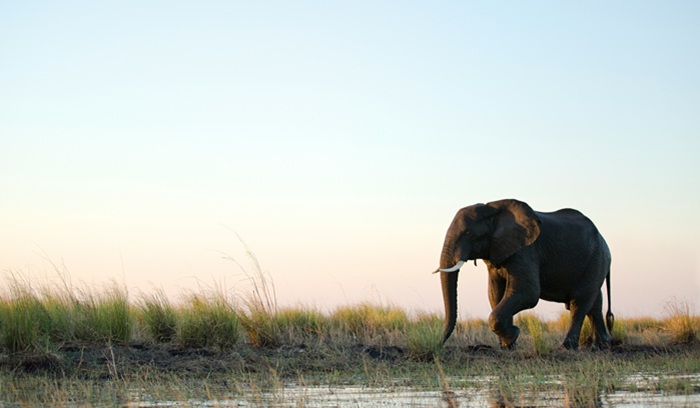
Elephant

Indonesia bans elephant riding in landmark welfare move

Following years of campaigning by animal welfare organizations, Indonesia has officially banned elephant riding at all tourism and conservation facilities. This landmark directive from the Ministry of Environment and Forestry ends a cruel practice that relies on brutal training and causes long-term harm to endangered elephants. Facilities must now transition to ethical, observation-based tourism models. This major policy shift prioritizes animal welfare over entertainment, setting a powerful example for responsible wildlife tourism across Southeast Asia.

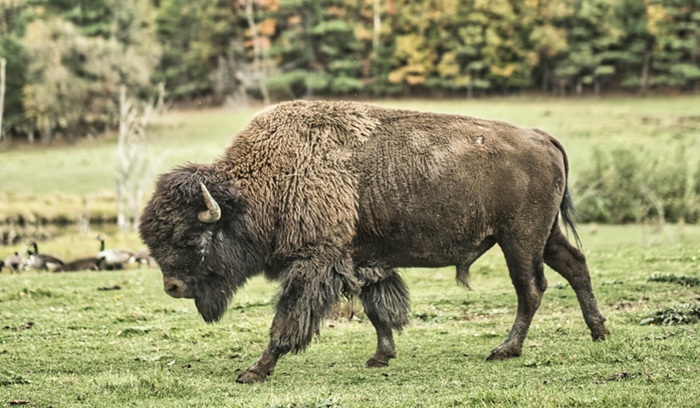
Bison

Wild bison return to Illinois prairie after nearly 200 years

In a historic moment for conservation, wild bison have returned to the Illinois prairie for the first time in nearly two centuries. The Nature Conservancy has successfully reintroduced a genetically pure herd to the Nachusa Grasslands, marking the first time wild bison have roamed east of the Mississippi since the 1830s. This ecological milestone aims to restore the health of the tallgrass prairie, as the bison’s natural grazing habits boost biodiversity and support other native species. The project offers a powerful model for rewilding and connecting communities with their natural heritage.

Illustration of electric cars

Electric car sales outpace gas-powered cars in the E.U. for the first time

In a historic shift for the automotive industry, fully electric vehicles (EVs) have outsold petrol cars in the European Union for the first time. Data from the European Automobile Manufacturers Association shows that EVs captured 23.6 percent of the market in December 2025, surpassing petrol registrations. This milestone confirms that the transition to zero-emission transport is accelerating rapidly, driven by strong climate policies, falling costs, and growing consumer confidence. The achievement marks the beginning of the end for fossil fuel dominance on European roads.

Rainforest canopy

Bolivia protects over 2.4 million acres of Amazonian rainforest in major conservation win

In a massive victory for the Amazon, Bolivia has established the Rhukanrhuka Municipal Protected Area, safeguarding nearly 2.4 million acres of critical rainforest. This achievement is the result of a powerful partnership between the municipal government of Reyes and the Tsimane, Movima, and Yuracaré Indigenous communities. The new reserve protects vital habitats for endangered species like the Bolivian river dolphin and secures a massive carbon sink. This initiative empowers local stewardship and promotes sustainable economic alternatives to deforestation.

Pride flags and celebration

Supreme Court of the Philippines grants property rights to same-sex couples in historic ruling

In a landmark victory for LGBTQ+ rights, the Supreme Court of the Philippines has ruled that same-sex couples can be legally recognized as co-owners of property. This historic decision applies Article 148 of the Family Code to same-sex unions for the first time, ensuring that partners who build a life together have legal protection for their shared assets. While not legalizing marriage, the ruling validates the legitimacy of these relationships and calls on Congress to enact broader protections, setting a progressive precedent for Southeast Asia.

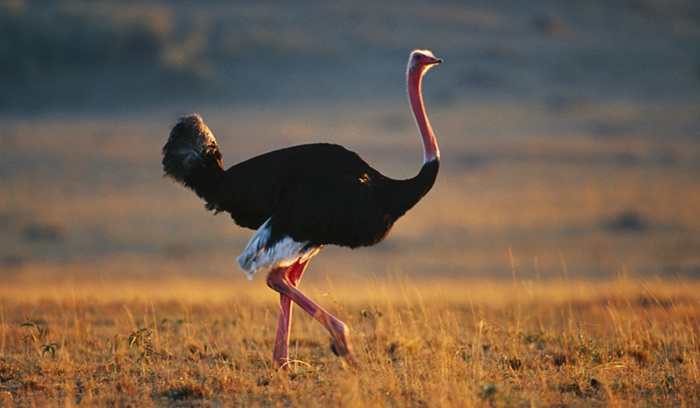
Ostrich

Ostriches return to Saudi Desert after 100 years in historic rewilding effort

In a major conservation victory, the red-necked ostrich is thriving once again in the Saudi Arabian desert after a 100-year absence from the wild. The population in the Imam Turki bin Abdullah Royal Natural Reserve has surged to nearly 250 individuals following a successful reintroduction program. This initiative restores a key species to its ancestral habitat, where natural breeding has already begun with the hatching of wild chicks. The success signals a new era of effective rewilding and biodiversity protection in the Kingdom.

Peeling paint

Lead pollution plummets 100-fold in the U.S. over last century

A new study analyzing over a century of human hair samples reveals a massive environmental victory: lead pollution in the US has dropped by 100-fold since 1916. Researchers at the University of Utah confirmed that regulations like the Clean Air Act and the ban on leaded gasoline drove concentrations from nearly 100 ppm to less than 1 ppm. This dramatic decline has protected millions of children from neurotoxic exposure, proving the incredible efficacy of science-based environmental policy over the last century.