Clean & renewable energy

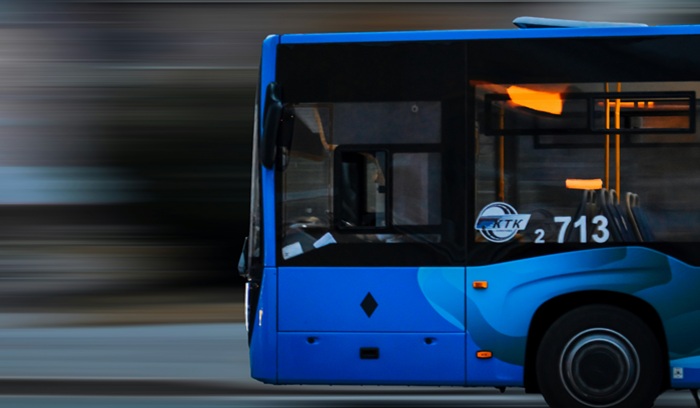
Blue bus

Senegal launches all-electric bus network powered by renewable energy

Senegal has successfully launched a transformative Bus Rapid Transit system in Dakar, featuring a fleet of 121 fully electric buses. As the first network in Sub-Saharan Africa to operate entirely on renewable energy, the initiative utilizes local solar power to transport up to 300,000 passengers daily. By utilizing dedicated lanes, the clean energy fleet cuts cross-city commute times in half while preventing nearly 60,000 tons of carbon dioxide emissions annually. This monumental project dramatically improves urban air quality and establishes Senegal as a pioneering leader in sustainable, green public infrastructure.
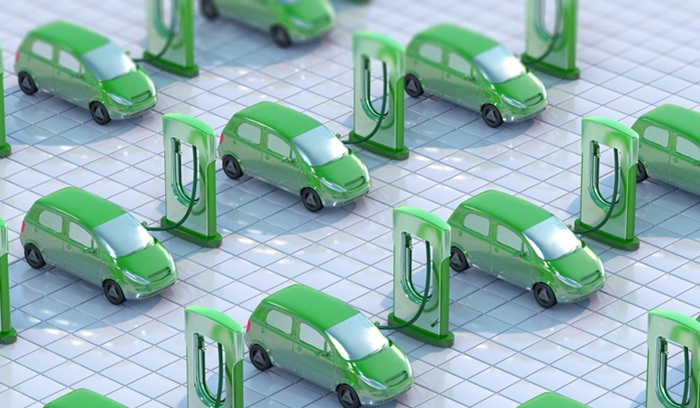
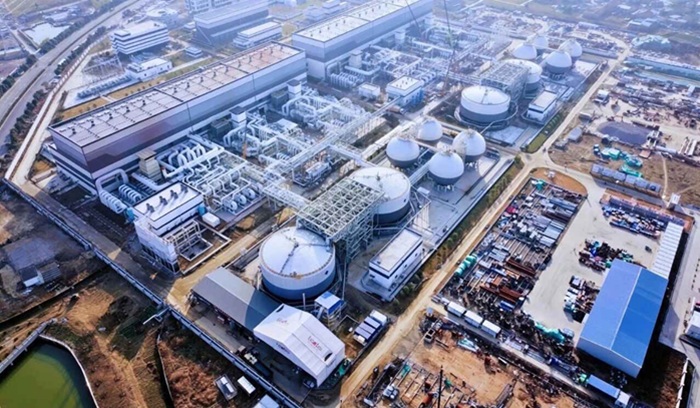
Illustration of electric cars

Electric car sales outpace gas-powered cars in the E.U. for the first time

In a historic shift for the automotive industry, fully electric vehicles (EVs) have outsold petrol cars in the European Union for the first time. Data from the European Automobile Manufacturers Association shows that EVs captured 23.6 percent of the market in December 2025, surpassing petrol registrations. This milestone confirms that the transition to zero-emission transport is accelerating rapidly, driven by strong climate policies, falling costs, and growing consumer confidence. The achievement marks the beginning of the end for fossil fuel dominance on European roads.

China launches world’s largest first compressed air facility

China has successfully launched the world’s largest compressed air energy storage (CAES) facility in Hubei province. This 300-megawatt plant utilizes underground salt caverns to store renewable energy, capable of reducing coal consumption by 45,000 tons and carbon emissions by 109,000 tons annually. This non-lithium technology provides a sustainable, long-duration storage solution that stabilizes the grid and enables greater integration of wind and solar power. The project demonstrates a scalable, eco-friendly alternative to chemical batteries, marking a pivotal advancement for global clean energy infrastructure.

Australian flag

Renewables now supply more than 50% of Australia’s energy for the first time

Australia has reached a historic tipping point in its energy transition, with renewable energy sources supplying over 50% of the national electricity demand for the first time. This milestone is driven by the world’s highest uptake of rooftop solar and a surge in wind farm generation. The shift has successfully displaced coal power while maintaining grid reliability through advanced battery storage. This achievement puts the nation significantly closer to its ambitious goal of reaching 82% renewable energy by 2030.

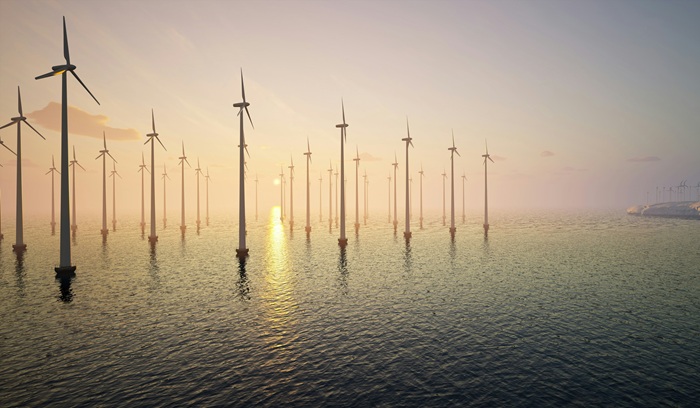
Offshore wind turbines

Ten nations commit €11 billion to massive 100GW North Sea wind power hub

In a historic display of unity, the U.K., Belgium, Denmark, France, Germany, Ireland, Luxembourg, the Netherlands, Norway, and Iceland have signed an agreement to transform the North Sea into a 100-gigawatt renewable energy powerhouse by 2030. The coalition pledged a joint investment of €11 billion to build offshore wind farms and interconnected energy islands. This massive infrastructure project is designed to power 100 million homes, securing Europe’s energy independence and accelerating the transition away from imported fossil fuels.

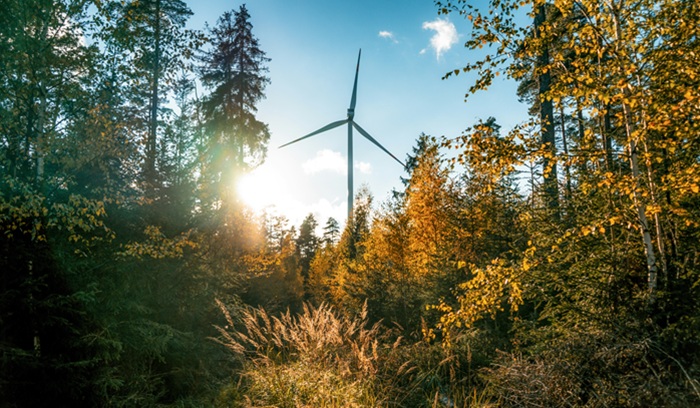
Wind turbine through the trees

Wind and solar supply more power than fossil fuels in Europe for first time ever

In a landmark achievement for the energy transition, wind and solar power have generated more electricity than fossil fuels in the European Union for the first time over a full year. According to the 2026 Ember report, renewables accounted for 30% of the EU’s electricity in 2025, surpassing the 29% from coal and gas. While gas use rose slightly due to weather conditions, a 20% surge in solar generation and a historic low for coal (9.2%) secured this major victory for clean energy.

Kuala Lumpur

Malaysia to put over 1,000 electric buses on the road by 2030

Malaysia has kicked off a major initiative to modernize its public transport system by replacing diesel buses with electric vehicles. The government’s strategic plan targets the deployment of 1,100 electric buses by 2030, starting with an initial pilot phase to test operations. This move is designed to drastically reduce urban air pollution and noise while boosting the local green technology sector. By prioritizing zero-emission public transit, Malaysia is taking a decisive step toward its goal of carbon neutrality by 2050.

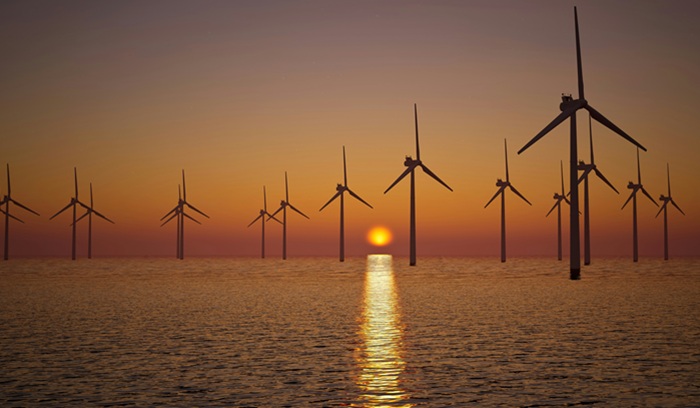
Offshore wind turbines at sunset

The U.K. secures 8GW of offshore wind capacity in record-breaking auction

Great Britain has achieved a major energy milestone, securing 8.4 gigawatts of new offshore wind capacity, enough to power 12 million homes in its latest government auction. The success follows a strategic adjustment in government policy designed to attract investment and stabilize energy prices. This massive expansion will drive billions in private investment and create thousands of green jobs in coastal communities, keeping the U.K. on track for its 2030 net-zero targets.

Illustration of the concept of nuclear fusion

China achieves breakthrough in fusion reactor plasma density

China has achieved a major breakthrough in the quest for viable fusion power with its experimental EAST reactor in Hefei, Anhui Province. The device shattered a world record by sustaining plasma at 158 million degrees Fahrenheit for over 17 minutes. This engineering feat proves that the extreme conditions needed for fusion can be stabilized for long durations. The breakthrough is a critical step in the global effort to develop abundant, safe, carbon-free energy supplies and combat climate change.

Uruguay flag

Uruguay achieves near 100% renewable energy grid

Uruguay has achieved a major energy milestone, generating over 97% of its electricity from renewable sources. This success is built on a strategic mix of wind, solar, hydropower, and biomass, ensuring a reliable and clean grid without reliance on fossil fuel imports. This pragmatic economic policy has stabilized energy costs and created thousands of jobs. Uruguay’s rapid transition provides a powerful, scalable blueprint for other nations seeking energy independence and environmental sustainability.