
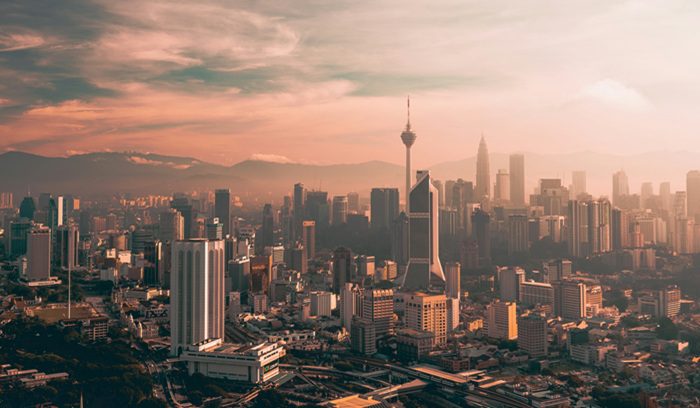
Malaysia is moving to transform its public transit system with a plan to deploy more than 1,100 electric buses across the country by 2030 C.E., marking one of Southeast Asia’s most ambitious electric vehicle rollouts in the public transport sector. The initiative is part of the country’s broader push to cut carbon emissions and reduce its dependence on fossil fuels as it works toward its net-zero goals.
At a glance
- Malaysia electric buses: The government has set a target of deploying 1,100 electric buses nationwide by 2030 C.E., replacing aging diesel fleets on urban and intercity routes.
- Green transport push: The rollout aligns with Malaysia’s National Energy Transition Roadmap, which targets a 70% share of renewable energy in the electricity mix by 2050 C.E., making electric buses progressively cleaner over time.
- Economic opportunity: Local manufacturers and assembly partners stand to gain from the transition, with the government signaling interest in building domestic EV supply chain capacity rather than relying entirely on imports.
Why buses matter more than cars
When countries electrify private cars, the benefits are real but diffuse. When they electrify buses, the math changes fast.
A single diesel bus can be replaced by one electric bus that serves hundreds of passengers a day, eliminating emissions along entire corridors with a single procurement decision. In dense urban areas like Kuala Lumpur and Penang, electric buses also cut noise pollution and reduce particulate matter that disproportionately affects lower-income communities who live and work near busy roads and rely most heavily on public transit.
That equity dimension matters. In Malaysia, as in most of the world, bus riders skew toward people who cannot afford private vehicles. Cleaner buses are thus a public health intervention as much as a climate one.
Where the buses will go
Malaysia’s land public transport authority, APAD, has been central to planning the deployment, working alongside state governments and operators to identify priority corridors. The Klang Valley — which includes Kuala Lumpur and its suburbs — is expected to absorb a significant share of the new fleet, given its size and the density of existing bus networks. Other urban centers, including Johor Bahru and Kota Kinabalu, are also in scope.
Charging infrastructure is a parallel challenge. Range anxiety for buses is less of an issue than for private vehicles — bus routes are predictable and depots offer overnight charging windows — but deploying sufficient depot chargers at scale requires coordinated investment. Malaysia has been working with utilities and port operators to ensure grid readiness.
A regional signal
Malaysia’s commitment arrives as Southeast Asia becomes one of the world’s most contested arenas for EV adoption. The International Energy Agency has flagged the region as critical to global decarbonization timelines, given its rapidly growing vehicle fleets and still-heavy reliance on coal and gas for electricity generation.
Countries including Thailand, Indonesia, and Vietnam are each pursuing their own electric bus programs, and the competition is pushing manufacturers — particularly Chinese EV makers like BYD and Yutong — to offer increasingly competitive pricing and local partnership arrangements. Malaysia’s scale of 1,100 buses gives it meaningful negotiating leverage.
The ASEAN bloc has set a target of 35% electric vehicle penetration among new sales by 2025 C.E., a goal that most member states are still working toward. Malaysia’s bus initiative helps move those aggregate numbers in the right direction.
What still needs to happen
Announcing a target and hitting it are different things. Malaysia’s electric bus program will require sustained government procurement commitments, financing mechanisms that work for bus operators — many of whom run on thin margins — and a grid that can handle increased electrical load without simply shifting emissions from tailpipes to power plants.
The country still generates a substantial share of its electricity from natural gas and coal, meaning electric buses today are cleaner than diesel, but not zero-emission in the fullest sense. That gap narrows as the renewables share of the grid grows — but it does not close overnight.
Still, the trajectory is clear. A fleet of over 1,100 electric buses running by 2030 C.E. would represent a concrete, measurable step toward the cleaner, quieter cities Malaysia has committed to building — and a model other nations in the region will be watching closely.
Read more
For more on this story, see: Good News for Humankind
For more from Good News for Humankind, see:
- Ghana establishes a new marine protected area at Cape Three Points
- Alzheimer’s risk cut in half by drug in landmark prevention trial
- The Good News for Humankind archive on clean energy
About this article
- 🤖 This article is AI-generated, based on a framework created by Peter Schulte.
- 🌍 It aims to be inspirational but clear-eyed, accurate, and evidence-based, and grounded in care for the Earth, peace and belonging for all, and human evolution.
- 💬 Leave your notes and suggestions in the comments below — I will do my best to review and implement where appropriate.
- ✉️ One verified piece of good news, one insight from Antihero Project, every weekday morning. Subscribe free.