Sub-Saharan Africa

Solar panels reflect sparkling light from the Sun

Solar imports in Africa up 60% since 2024

A powerful solar energy revolution is now confirmed across Africa, driven by a surge of over 60% in panel imports from China. This “solar take-off” provides a crucial pathway to achieving universal energy access by bypassing outdated infrastructure. The decentralized growth is fueling economic development and local entrepreneurship. By expanding its clean energy supply, the continent is ensuring its future growth is sustainable and resilient against global fossil fuel volatility.

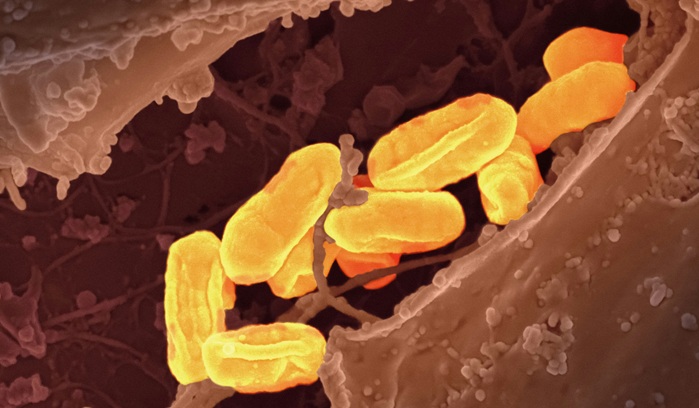
Bacteria under microscope

Cholera vaccination campaign launched in Darfur to protect over 1.8 million people

A vital cholera vaccination campaign has been launched in Darfur, Sudan, aiming to protect over 1.86 million people. This urgent intervention is a major victory for global health, achieved despite the ongoing conflict and insecurity in the region. Humanitarian teams, led by the WHO and UNICEF, overcame immense logistical challenges to deliver millions of vaccine doses. This proactive measure is crucial for halting the spread of the country’s longest-recorded cholera outbreak and safeguarding the lives of highly vulnerable populations, especially young children.

Trans pride flag

Kenyan court orders trans rights bill in landmark legal ruling

Kenya’s Eldoret High Court has issued a historic ruling affirming the rights and dignity of transgender people. The case, brought by activist Shieys Chepkosgei, challenged invasive treatment she endured while in custody, with the court declaring her rights had been violated. Judges awarded damages and, most significantly, ordered Parliament to draft legislation protecting transgender people from discrimination. Advocates call the decision a breakthrough for equality in a country where LGBTQ+ communities face stigma and legal barriers. While challenges remain, the ruling is a hopeful step toward recognition, dignity, and stronger protections for transgender Kenyans.

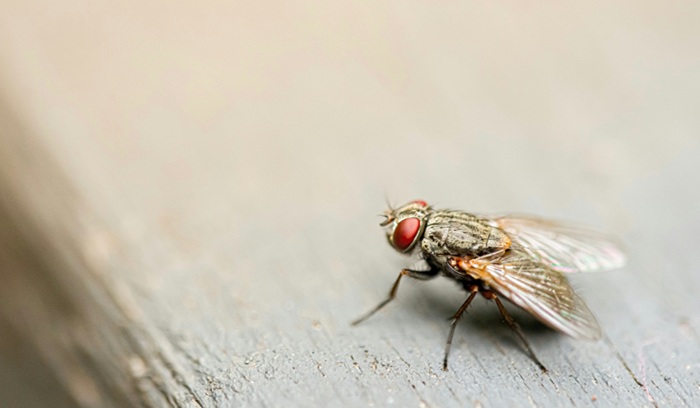
Fly

Kenya declared free of deadly sleeping sickness by WHO

Kenya has officially eliminated sleeping sickness as a public health problem—becoming the tenth country worldwide and the fifth in Africa to reach this milestone. The disease, spread by tsetse flies, causes fever, swollen lymph nodes and, if untreated, severe damage to the nervous system, disrupting sleep and leading to coma or death. Kenya recorded its last local case in 2009 and its last imported cases in 2012 after years of investment in surveillance, diagnostics and fly control. With WHO validation, Kenya’s success strengthens Africa’s collective drive to eliminate sleeping sickness across the continent by 2030.

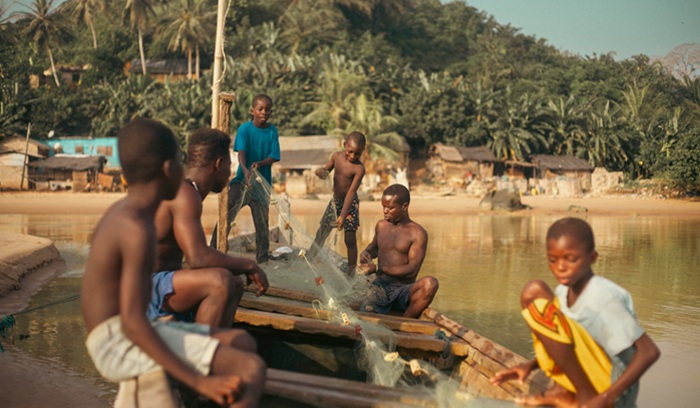
Fishing people in Ghana

Ghana passes landmark legislation to protect artisanal fisheries

Ghana has enacted the Fisheries and Aquaculture Act of 2025, a landmark reform that strengthens protections for its artisanal fishing communities. The law doubles the inshore exclusion zone (IEZ) from 6 to 12 nautical miles, effectively banning industrial trawlers from critical coastal waters and safeguarding vital breeding grounds. It also introduces mandatory electronic monitoring on industrial vessels, tougher penalties for illegal activity, and greater autonomy for the Fisheries Commission in managing marine resources. Signed into law by President Mahama on August 19, the reform is widely seen as a major step toward rebuilding overfished stocks, defending livelihoods, and positioning Ghana as a leader in sustainable West African fisheries management.

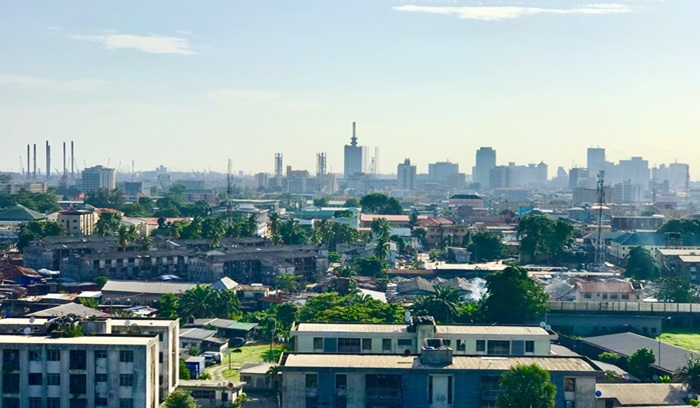
Lagos, Nigeria

Lagos bans single-use plastics

On July 1, 2025, Lagos introduced a ban on single-use plastics like Styrofoam plates, straws, and cutlery. The city—home to 20 million people—has long battled severe plastic pollution, with clogged waterways worsening floods and harming health. The ban is already driving grassroots recycling, sparking innovation in sustainable packaging, and raising public awareness about waste reduction. If supported by stronger enforcement, better waste systems, and affordable alternatives, this move could slash hundreds of thousands of tons of plastic waste annually—positioning Lagos as a model for African cities aiming to protect their environment and build a cleaner, more resilient future.

Plant sprouting from the soil

Ethiopia to plant 700 million trees in one day

Ethiopia has launched a record-breaking push to plant 700 million trees in a single day, part of a plan to grow 50 billion by 2026 to fight deforestation, boost livelihoods, and tackle climate change. By early morning, 14.9 million people had already planted 355 million seedlings. The nationwide effort has been championed by Prime Minister Abiy Ahmed since 2019 as a personal and national priority.

South Africa flag

South Africa to ban highly toxic pesticide Terbufos

In a decision welcomed by advocacy groups and researchers, South Africa’s Cabinet has approved a ban on the import of Terbufos, a highly toxic pesticide linked to the deaths of six children in a South African township in October 2024. The South African Human Rights Commission (SAHRC) called the decision “a historic milestone in the realization of critical socio-economic rights, including the right to health, clean water, a safe environment, and adequate food.”

Crowned gray crane

Rwanda’s endangered crowned crane population has tripled since 2017

Just 10 years ago, Rwanda’s gray crowned cranes were vanishing. Once a familiar sight in wetlands across East Africa, their numbers in Rwanda had collapsed, driven by habitat loss and capture for the exotic pet trade. That grim picture has now changed dramatically, thanks largely to the work of Olivier Nsengimana, a veterinarian and founder of the Rwanda Wildlife Conservation Association, which has led a national campaign to rescue, rehabilitate, and eventually reintroduce captive cranes to the wild.

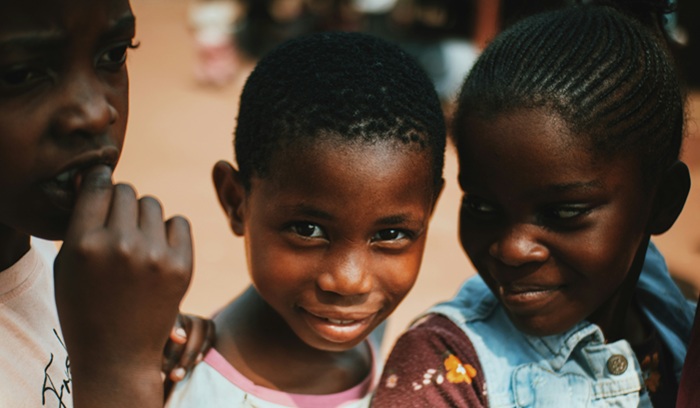
Smiling African children

Over 12 million malaria deaths averted globally since 2000

Global malaria prevention efforts have paid off in a big way, preventing an estimated 2.2 billion cases and 12.7 million deaths in the last 25 years. In 2023 alone, more than 177 million cases and 1 million deaths were averted, the vast majority of them – 80% of cases and 94% of deaths – in Africa. However, malaria remains a significant public health challenge globally. In 2023, there were an estimated 263 million new malaria cases in 83 countries, up from 252 million in 2022 and 226 million in 2015.