
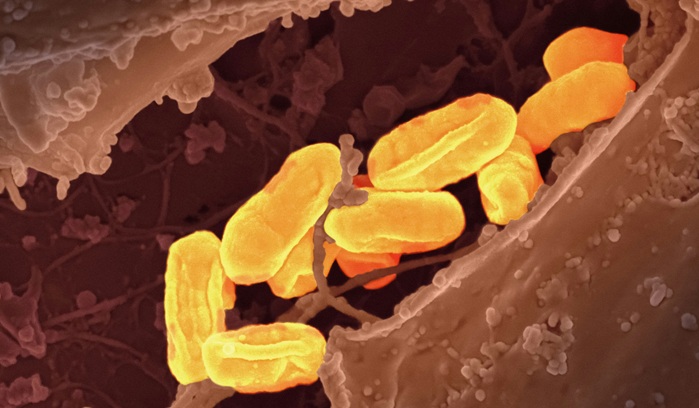
Despite the devastating impact of the prolonged conflict in Sudan, a major public health victory is unfolding in the Darfur region. A massive cholera vaccination campaign has been launched, aiming to protect over 1.86 million people aged one year and older. This urgent intervention, coordinated by Sudan’s Ministry of Health, the World Health Organization, and UNICEF, is a testament to the resilience of humanitarian efforts. It delivers a critical safeguard against a deadly disease that thrives in the chaos of war and broken infrastructure. The campaign is a crucial step toward containing the country’s longest-recorded cholera outbreak.
Mobilizing Against the Odds
The logistics of delivering vaccines in Darfur are immense, challenged by ongoing heavy fighting, inaccessible roads, and the collapse of basic services. Aid teams overcame numerous obstacles to mobilize 1.86 million doses of oral cholera vaccine (OCV) through complex cross-border and crossline operations. This mobilization highlights the unwavering commitment of global health partners to reach highly vulnerable populations. The campaign launched in key localities of South Darfur and is rapidly expanding to North Darfur. This effort ensures that even amidst a humanitarian crisis, life-saving medical interventions can reach those most in need.
The Power of Proactive Public Health
The timely launch of this vaccination campaign is a demonstration of proactive public health strategy in a crisis. Cholera is an acute intestinal infection that spreads rapidly through contaminated water and can kill within hours if left untreated. The disease has spread to all 18 states of Sudan, with over 113,000 cases reported since the outbreak began in July 2024. The campaign targets 97% of the population in the worst-affected localities of the Darfurs. By delivering the oral cholera vaccine, health teams are working to interrupt transmission and drastically reduce the mortality rate, which has been alarmingly high in some areas. This intervention is designed to protect large populations while addressing the immediate public health emergency.
Building Capacity and Community Resilience
The success of the vaccination effort relies heavily on local capacity and community engagement. WHO and UNICEF supported the campaign by training trainers and cascading training sessions down to the level of volunteer vaccinators. This approach strengthens local health systems, ensuring that knowledge and skills remain within the community for future preparedness. Community awareness drives are also an integral part of the response, educating families on essential hygiene practices, sanitation, and the importance of clean water access. This multi-sectoral strategy—combining vaccines with improved Water, Sanitation, and Hygiene (WASH) interventions—is the most effective way to sustain long-term resilience against cholera.
Global Solidarity in Action
This campaign is a potent symbol of global solidarity. The vaccines were provided by the International Coordinating Group on Vaccine Provision (ICG), with financial support from Gavi, the Vaccine Alliance. This sustained collaboration among international organizations, NGOs like Médecins Sans Frontières (MSF), and the national government is essential for managing the health crisis in Sudan. Furthermore, global health partners are requesting significant funding to meet the immense health needs of affected people both inside Sudan and in neighboring countries. This continued international support is crucial for bolstering the devastated health system and ensuring that the most vulnerable, particularly children, are protected from deadly diseases.
Protecting the Future Generation
The intervention holds particular significance for children under five, who have been disproportionately affected by the cholera outbreak. Protecting this generation from preventable diseases is a critical step toward post-conflict recovery. As more than 70% of hospitals in conflict-affected areas are non-operational, preventative measures like vaccination are literal lifelines. This campaign is one piece of a larger, ongoing effort to stabilize health services across Sudan. It is a powerful reminder that even in the darkest circumstances, coordinated humanitarian action can deliver hope and concrete protection to those facing unimaginable hardship.
- You can find detailed reports on the coordinated response from the WHO Eastern Mediterranean Regional Office.
- For information on the vital role of UNICEF in delivering vaccines and WASH supplies, refer to the resources from the United Nations.
- You can read more about the broader humanitarian response and the challenges faced by organizations like Doctors Without Borders (MSF).
More Good News
-

Alzheimer’s risk cut in half by drug in landmark prevention trial
A clinical trial from Washington University in St. Louis and published in The Lancet Neurology found that long-term high-dose treatment with the antibody drug gantenerumab reduced Alzheimer’s risk by roughly 50% in people with dominantly inherited Alzheimer’s disease — a rare genetic form caused by mutations that make the disease near-certain. The results are statistically uncertain and apply to less than 1% of all Alzheimer’s cases, but they provide the first evidence that removing amyloid plaques before symptoms appear can meaningfully change the course of the disease.
-

Marie-Louise Eta becomes the first female head coach in men’s top-flight European football
Marie-Louise Eta, 34, was appointed head coach of Bundesliga side Union Berlin on April 12, 2026, becoming the first woman to hold the top coaching position at a men’s club in any of Europe’s Big Five leagues — the Premier League, La Liga, Serie A, Ligue 1, and Bundesliga. A Champions League winner as a player with Turbine Potsdam in 2010, Eta had already broken barriers as the first female assistant coach in the Bundesliga in 2023. She takes charge for the final five matches of the season as Union Berlin fights to secure top-flight survival, after which she was…
-

Renewables now make up at least 49% of global power capacity
Renewable energy reached 49.4% of total global installed power capacity by end of 2025, up from 46.3% in 2024, according to the International Renewable Energy Agency’s Renewable Capacity Statistics 2026. The world added 692 gigawatts of new renewable capacity last year — the largest annual addition ever recorded — with solar alone contributing 511 gigawatts. Africa recorded its highest renewable expansion on record, and the Middle East its fastest-ever growth. IRENA Director-General Francesco La Camera noted that countries investing in renewables are absorbing the current Middle East energy crisis with measurably less economic damage than fossil-fuel-dependent economies.
-

Global suicide rate has fallen by 40% since 1995
A landmark study published in The Lancet Public Health by researchers at the Institute for Health Metrics and Evaluation at the University of Washington found that the global age-standardized suicide mortality rate fell nearly 40% between 1990 and 2021 — from 15 deaths per 100,000 people to nine. The decline was driven by measurable interventions including restrictions on toxic pesticides, expanded mental health services, and national prevention strategies. Female suicide rates fell more than 50% globally over the period. Roughly 740,000 people still die by suicide each year, and rates have risen in parts of Latin America and North America,…
-
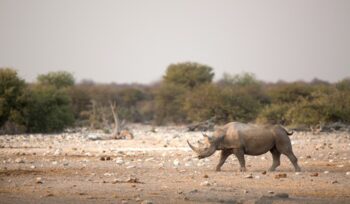
Rhinos are reintroduced back into Uganda’s wild after 43 years
The Uganda Wildlife Authority havetranslocated the first southern white rhinos to Kidepo Valley National Park — 43 years after the last rhino in the park was killed by poachers in 1983. The animals came from Ziwa Rhino Sanctuary, a breeding program established in 2005 with just six individuals that has grown Uganda’s total rhino population to 61. Four more rhinos will follow by May, with a separate group already relocated to Ajai Wildlife Reserve in January 2026. The reintroduction restores a key grazing species to one of Africa’s most remote savannah ecosystems and makes Kidepo the only national park in…