
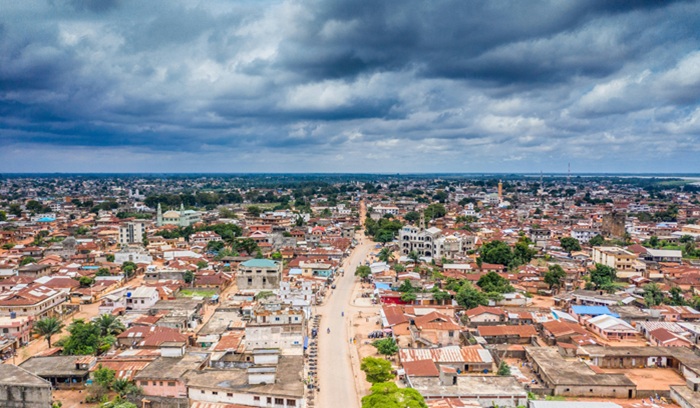
Benin has embarked on a strategic national effort to place solar power at the core of its energy policy. This decisive move aims to achieve energy independence and accelerate the nation’s economic development. By prioritizing rapid deployment of solar technology, Benin is establishing a resilient, low-carbon energy system. This commitment serves as a powerful model for sustainable development across West Africa.
This shift directly addresses the long-standing challenges of electricity access and reliability. It promises to stabilize the national grid and provide clean power to millions of citizens.
Achieving Energy Sovereignty
The core good news of Benin’s policy is its commitment to energy sovereignty. Historically, Benin has been highly reliant on electricity imports, primarily from neighboring countries. This reliance exposed the nation to supply instability and fluctuating costs. The new policy mandates a massive national build-out of solar photovoltaic (PV) capacity to counter this vulnerability.
This strategic investment ensures that Benin can generate reliable power domestically. By reducing dependence on external energy sources, the nation gains control over its own energy future. This stability is essential for attracting foreign investment and guaranteeing the smooth operation of businesses and industries. This commitment to self-sufficiency is a strong foundation for long-term national prosperity.
Rapid Deployment and Measurable Growth
Benin’s solar push is characterized by rapid, measurable deployment across all scales. The government has prioritized utility-scale solar farms to feed the national grid. Simultaneously, it supports the widespread adoption of off-grid and mini-grid solar solutions in rural areas. This dual approach ensures that both urban and remote populations benefit from the clean energy transition.
The nation has seen significant capacity additions in recent years. This rapid growth directly improves electricity access rates and reduces reliance on expensive, polluting diesel generators. The efficiency of solar installation makes it the fastest way to electrify remote areas. This is a critical factor in achieving universal energy access. The International Renewable Energy Agency (IRENA) tracks the acceleration of renewable capacity in West Africa.
Empowering Economic and Social Development
The adoption of solar power delivers immense positive impacts on economic and social development. Reliable electricity is foundational for modern services like healthcare and education. Solar power enables rural health clinics to refrigerate vaccines and supports students who need lighting to study after dark.
Furthermore, solar energy fuels local entrepreneurship. The availability of reliable power encourages the growth of small and medium-sized enterprises (SMEs). This decentralization of power generation is a key strategy for poverty reduction. It empowers local economies and creates sustainable jobs in installation and maintenance. This focus on equitable access highlights the social justice benefits of the clean energy transition. The African Development Bank (AfDB) supports these decentralized energy solutions.
A Model for Sustainable Governance
Benin’s commitment to solar is a powerful model for sustainable governance across Africa. It proves that developing nations can strategically prioritize clean energy over outdated, carbon-intensive infrastructure. The nation is aligning its energy policy directly with global climate goals. This choice positions Benin as a climate leader in its region.
This move reinforces the global commitment to sustainable development. It provides a hopeful blueprint for nations seeking to achieve the UN Sustainable Development Goal (SDG) 7, which targets universal access to affordable, reliable, and sustainable energy. The United Nations Development Programme (UNDP) works with nations to achieve these energy SDGs. The sustained focus on solar capacity ensures the nation’s long-term environmental and economic health. The International Energy Agency (IEA) provides comprehensive analysis on Africa’s energy outlook and solar potential.
Resources
- International Renewable Energy Agency (IRENA) on Renewable Capacity in Africa
- African Development Bank (AfDB) on Decentralized Energy Solutions
- United Nations Development Programme (UNDP) on Energy SDGs and Access
- International Energy Agency (IEA) on Africa Energy Outlook
More Good News
-

Alzheimer’s risk cut in half by drug in landmark prevention trial
A clinical trial from Washington University in St. Louis and published in The Lancet Neurology found that long-term high-dose treatment with the antibody drug gantenerumab reduced Alzheimer’s risk by roughly 50% in people with dominantly inherited Alzheimer’s disease — a rare genetic form caused by mutations that make the disease near-certain. The results are statistically uncertain and apply to less than 1% of all Alzheimer’s cases, but they provide the first evidence that removing amyloid plaques before symptoms appear can meaningfully change the course of the disease.
-

Marie-Louise Eta becomes the first female head coach in men’s top-flight European football
Marie-Louise Eta, 34, was appointed head coach of Bundesliga side Union Berlin on April 12, 2026, becoming the first woman to hold the top coaching position at a men’s club in any of Europe’s Big Five leagues — the Premier League, La Liga, Serie A, Ligue 1, and Bundesliga. A Champions League winner as a player with Turbine Potsdam in 2010, Eta had already broken barriers as the first female assistant coach in the Bundesliga in 2023. She takes charge for the final five matches of the season as Union Berlin fights to secure top-flight survival, after which she was…
-
Renewables now make up at least 49% of global power capacity
Renewable energy reached 49.4% of total global installed power capacity by end of 2025, up from 46.3% in 2024, according to the International Renewable Energy Agency’s Renewable Capacity Statistics 2026. The world added 692 gigawatts of new renewable capacity last year — the largest annual addition ever recorded — with solar alone contributing 511 gigawatts. Africa recorded its highest renewable expansion on record, and the Middle East its fastest-ever growth. IRENA Director-General Francesco La Camera noted that countries investing in renewables are absorbing the current Middle East energy crisis with measurably less economic damage than fossil-fuel-dependent economies.
-

Global suicide rate has fallen by 40% since 1995
A landmark study published in The Lancet Public Health by researchers at the Institute for Health Metrics and Evaluation at the University of Washington found that the global age-standardized suicide mortality rate fell nearly 40% between 1990 and 2021 — from 15 deaths per 100,000 people to nine. The decline was driven by measurable interventions including restrictions on toxic pesticides, expanded mental health services, and national prevention strategies. Female suicide rates fell more than 50% globally over the period. Roughly 740,000 people still die by suicide each year, and rates have risen in parts of Latin America and North America,…
-
Rhinos are reintroduced back into Uganda’s wild after 43 years
The Uganda Wildlife Authority havetranslocated the first southern white rhinos to Kidepo Valley National Park — 43 years after the last rhino in the park was killed by poachers in 1983. The animals came from Ziwa Rhino Sanctuary, a breeding program established in 2005 with just six individuals that has grown Uganda’s total rhino population to 61. Four more rhinos will follow by May, with a separate group already relocated to Ajai Wildlife Reserve in January 2026. The reintroduction restores a key grazing species to one of Africa’s most remote savannah ecosystems and makes Kidepo the only national park in…