Today (2017 C.E. - 2025 C.E.)

China launches world’s largest first compressed air facility

China has successfully launched the world’s largest compressed air energy storage (CAES) facility in Hubei province. This 300-megawatt plant utilizes underground salt caverns to store renewable energy, capable of reducing coal consumption by 45,000 tons and carbon emissions by 109,000 tons annually. This non-lithium technology provides a sustainable, long-duration storage solution that stabilizes the grid and enables greater integration of wind and solar power. The project demonstrates a scalable, eco-friendly alternative to chemical batteries, marking a pivotal advancement for global clean energy infrastructure.


Australian flag

Renewables now supply more than 50% of Australia’s energy for the first time

Australia has reached a historic tipping point in its energy transition, with renewable energy sources supplying over 50% of the national electricity demand for the first time. This milestone is driven by the world’s highest uptake of rooftop solar and a surge in wind farm generation. The shift has successfully displaced coal power while maintaining grid reliability through advanced battery storage. This achievement puts the nation significantly closer to its ambitious goal of reaching 82% renewable energy by 2030.

Scientists looking at x-rays

Spanish researchers achieve pancreatic tumor regression in breakthrough study

Researchers at the Spanish National Cancer Research Centre (CNIO) have achieved a major breakthrough in pancreatic cancer treatment, successfully inducing tumor regression in mice in preclinical studies. The new therapeutic strategy targets specific signaling proteins downstream of the KRAS mutation, effectively cutting off the tumor’s growth mechanism without toxic side effects. This innovative approach resulted in the complete disappearance of tumors in study models. With plans to fast-track human clinical trials, this discovery offers a powerful new hope for improving survival rates and changing the standard of care for patients worldwide.

Mauritius pioneers heat-resistant coral with 98% survival rates

Scientists in Mauritius have achieved a major conservation breakthrough, recording a 98% survival rate for transplanted heat-resistant corals. The project, led by the Mauritius Oceanography Institute, identifies resilient strains to rebuild reefs capable of withstanding rising ocean temperatures. With plans to transplant 100,000 fragments by 2030, this initiative secures vital coastal protection and food security for the island nation. The success offers a scalable, science-based model for climate adaptation that can be replicated by vulnerable island communities worldwide.

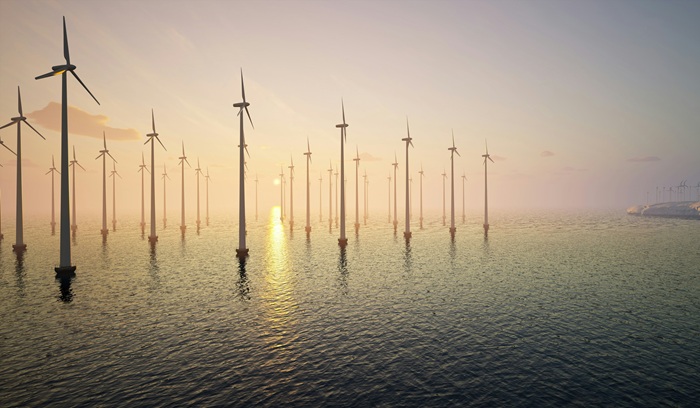
Offshore wind turbines

Ten nations commit €11 billion to massive 100GW North Sea wind power hub

In a historic display of unity, the U.K., Belgium, Denmark, France, Germany, Ireland, Luxembourg, the Netherlands, Norway, and Iceland have signed an agreement to transform the North Sea into a 100-gigawatt renewable energy powerhouse by 2030. The coalition pledged a joint investment of €11 billion to build offshore wind farms and interconnected energy islands. This massive infrastructure project is designed to power 100 million homes, securing Europe’s energy independence and accelerating the transition away from imported fossil fuels.

Mexican flag

Middle class Mexicans now outnumber those in poverty for the first time

The August report from Mexico’s National Institute of Statistics and Geography confirms that the number of Mexicans living in poverty fell from 51.9 million in 2018 to 38.5 million in 2024. This massive reduction of over 13 million people is driven by sustained minimum wage hikes and robust social safety nets. This demographic shift validates recent social policies and offers a hopeful model for inclusive growth in emerging economies.

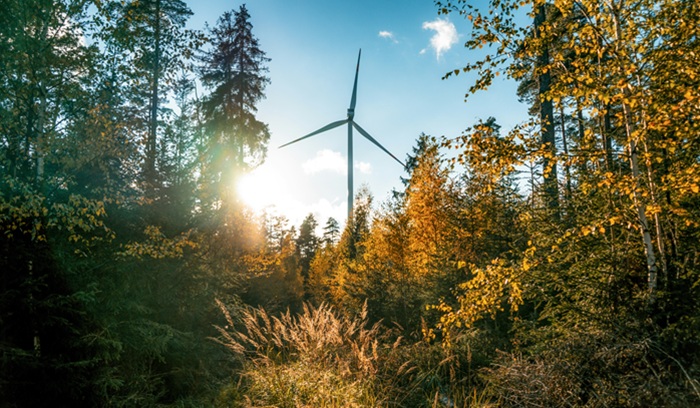
Wind turbine through the trees

Wind and solar supply more power than fossil fuels in Europe for first time ever

In a landmark achievement for the energy transition, wind and solar power have generated more electricity than fossil fuels in the European Union for the first time over a full year. According to the 2026 Ember report, renewables accounted for 30% of the EU’s electricity in 2025, surpassing the 29% from coal and gas. While gas use rose slightly due to weather conditions, a 20% surge in solar generation and a historic low for coal (9.2%) secured this major victory for clean energy.

Kuala Lumpur

Malaysia to put over 1,000 electric buses on the road by 2030

Malaysia has kicked off a major initiative to modernize its public transport system by replacing diesel buses with electric vehicles. The government’s strategic plan targets the deployment of 1,100 electric buses by 2030, starting with an initial pilot phase to test operations. This move is designed to drastically reduce urban air pollution and noise while boosting the local green technology sector. By prioritizing zero-emission public transit, Malaysia is taking a decisive step toward its goal of carbon neutrality by 2050.

American money

More than $6 billion in medical debt erased in North Carolina in 2025

In a historic move for economic justice, North Carolina has erased over 6.5 billion dollars in medical debt over the course of 2025, benefiting nearly 2.5 million residents. Governor Josh Stein announced the relief, which was achieved through a partnership with 60 hospitals that agreed to forgive old debt in exchange for higher Medicaid reimbursement rates. This massive initiative removes financial barriers to care, helps families repair their credit scores, and serves as a powerful national model for leveraging state policy to solve the medical debt crisis.

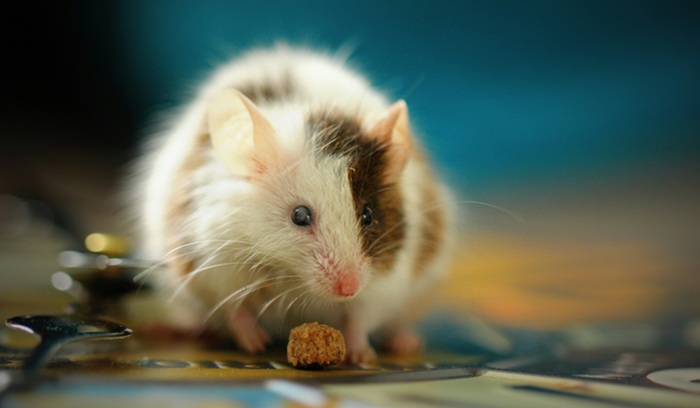
Mouse

American scientists fully reverse Alzheimer’s in mice

Researchers from Case Western Reserve University and the Cleveland VA Medical Center have successfully reversed Alzheimer’s symptoms in mice using a compound called P7C3-A20. This experimental drug works by protecting brain cells from death and repairing the blood-brain barrier. In the study, treated mice regained their memory and ability to navigate mazes, performing as well as healthy mice. This neuroprotective approach offers a promising new direction for treating human neurodegenerative diseases with a daily pill.