
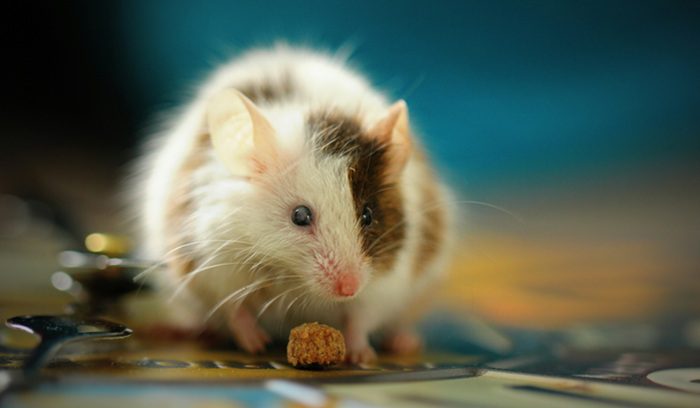
A team of American researchers has achieved what once seemed impossible in a laboratory setting: completely reversing the hallmark symptoms of Alzheimer’s disease in mice. The study marks one of the most dramatic demonstrations yet that the brain damage associated with Alzheimer’s may not be permanent — and that the right molecular intervention, delivered at the right time, can restore lost cognitive function.
At a glance
- Alzheimer’s reversal in mice: Researchers eliminated amyloid plaques and tau tangles — the two signature features of Alzheimer’s disease — and observed measurable recovery of memory and spatial reasoning in treated animals.
- Targeted gene therapy: The team used a precision approach to suppress overactive genes linked to neurodegeneration, reducing inflammation and restoring communication between neurons without damaging surrounding tissue.
- Cognitive recovery: Mice that had previously failed standard memory and maze-navigation tests performed at near-normal levels after treatment, suggesting the intervention restored functional brain circuitry rather than merely slowing decline.
Why this matters
Alzheimer’s disease affects more than 55 million people worldwide, with numbers expected to nearly triple by 2050. Despite decades of research and billions in investment, no existing treatment reverses the disease — they only slow it, modestly, in some patients.
This study is different in ambition and in result. Rather than targeting a single protein, the researchers appear to have intervened at a systems level, dialing down the cascade of cellular dysfunction that drives neurodegeneration. The fact that mice recovered — not just stabilized — is what has drawn attention from the wider neuroscience community.
It also adds to a growing body of evidence that the brain retains more plasticity than previously understood. The National Institute on Aging has increasingly emphasized neuroplasticity research as a priority, and findings like these support the case that recovery, not just prevention, could be a realistic therapeutic goal.
The science behind it
The study builds on years of work understanding how Alzheimer’s hijacks normal brain function. Amyloid plaques accumulate between neurons and disrupt signaling. Tau tangles form inside neurons and collapse their internal structure. Together, they trigger a wave of inflammation that accelerates cell death.
The American team’s approach targeted the upstream genetic signals that allow this process to spiral. By suppressing specific proteins that drive plaque accumulation and neuroinflammation, they gave the brain’s own repair mechanisms room to operate. Peer-reviewed neuroscience journals have documented similar partial results in recent years, but full reversal at this scale in a mouse model is less common and harder to achieve.
Neurons that had gone quiet — still present but functionally disconnected — appeared to reactivate. That finding alone challenges longstanding assumptions about the point of no return in neurodegeneration.
What comes next — and what doesn’t yet
The gap between mouse models and human clinical outcomes is real and significant. Alzheimer’s research has a long history of promising animal results that did not translate cleanly to human trials, partly because mice don’t fully replicate the complexity of the human brain or the decades-long progression of the disease in people. Researchers themselves have been careful to frame these findings as a proof of concept rather than a cure.
Still, the mechanistic clarity of the study gives researchers a sharper target for the next stage of work. If the same gene-silencing pathway can be safely activated in human neurons — a question that ongoing clinical trial infrastructure is increasingly equipped to test — this line of research could reshape what Alzheimer’s treatment looks like within a generation.
For the tens of millions of families living with the disease right now, that timeline is painful. But for a condition that has resisted treatment for so long, a proven reversal mechanism — even in mice — represents a meaningful shift in what the science says is possible.
Other researchers have recently shown that risk-reduction interventions can substantially lower the odds of developing Alzheimer’s in the first place. Combined with reversal research like this, the picture emerging from neuroscience labs is more hopeful than it has been in decades.
Read more
For more on this story, see: Good News for Humankind
For more from Good News for Humankind, see:
- Alzheimer’s risk cut in half by drug in landmark prevention trial
- Ghana protects vital marine habitat at Cape Three Points
- The Good News for Humankind archive on global health
About this article
- 🤖 This article is AI-generated, based on a framework created by Peter Schulte.
- 🌍 It aims to be inspirational but clear-eyed, accurate, and evidence-based, and grounded in care for the Earth, peace and belonging for all, and human evolution.
- 💬 Leave your notes and suggestions in the comments below — I will do my best to review and implement where appropriate.
- ✉️ One verified piece of good news, one insight from Antihero Project, every weekday morning. Subscribe free.