Wildlife & land conservation

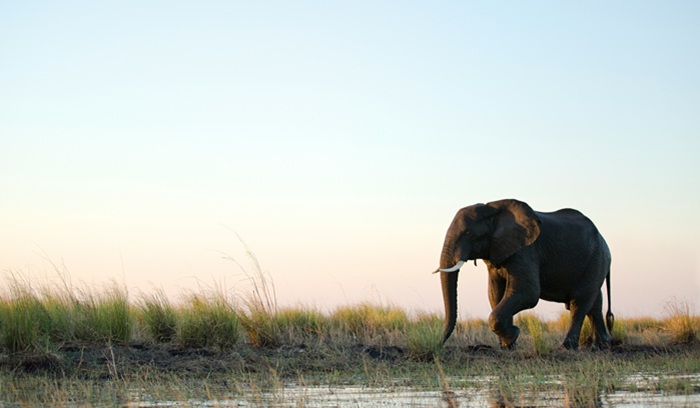
Elephant

Indonesia bans elephant riding in landmark welfare move

Following years of campaigning by animal welfare organizations, Indonesia has officially banned elephant riding at all tourism and conservation facilities. This landmark directive from the Ministry of Environment and Forestry ends a cruel practice that relies on brutal training and causes long-term harm to endangered elephants. Facilities must now transition to ethical, observation-based tourism models. This major policy shift prioritizes animal welfare over entertainment, setting a powerful example for responsible wildlife tourism across Southeast Asia.

Bison

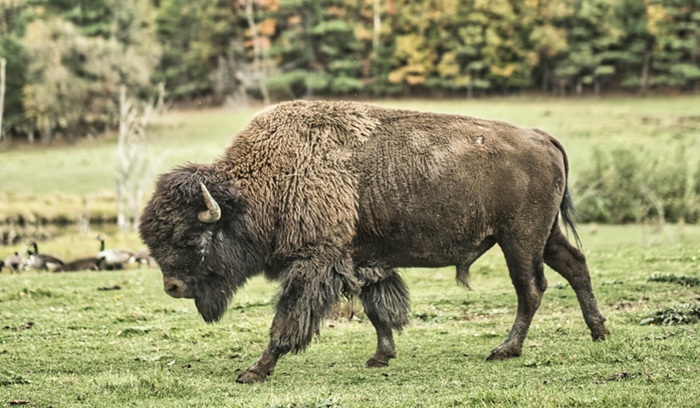
Wild bison return to Illinois prairie after nearly 200 years

In a historic moment for conservation, wild bison have returned to the Illinois prairie for the first time in nearly two centuries. The Nature Conservancy has successfully reintroduced a genetically pure herd to the Nachusa Grasslands, marking the first time wild bison have roamed east of the Mississippi since the 1830s. This ecological milestone aims to restore the health of the tallgrass prairie, as the bison’s natural grazing habits boost biodiversity and support other native species. The project offers a powerful model for rewilding and connecting communities with their natural heritage.

Rainforest canopy

Bolivia protects over 2.4 million acres of Amazonian rainforest in major conservation win

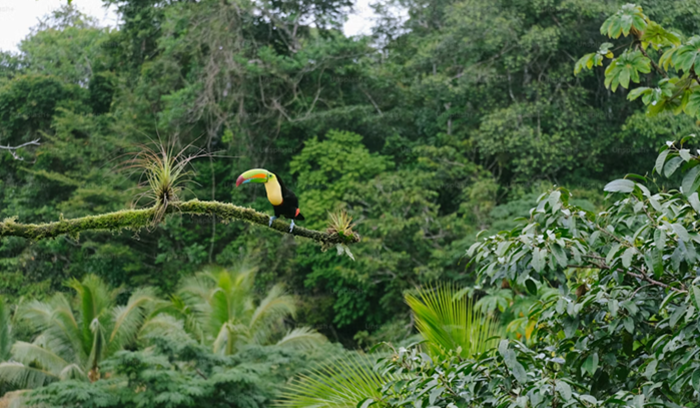
In a massive victory for the Amazon, Bolivia has established the Rhukanrhuka Municipal Protected Area, safeguarding nearly 2.4 million acres of critical rainforest. This achievement is the result of a powerful partnership between the municipal government of Reyes and the Tsimane, Movima, and Yuracaré Indigenous communities. The new reserve protects vital habitats for endangered species like the Bolivian river dolphin and secures a massive carbon sink. This initiative empowers local stewardship and promotes sustainable economic alternatives to deforestation.

Ostrich

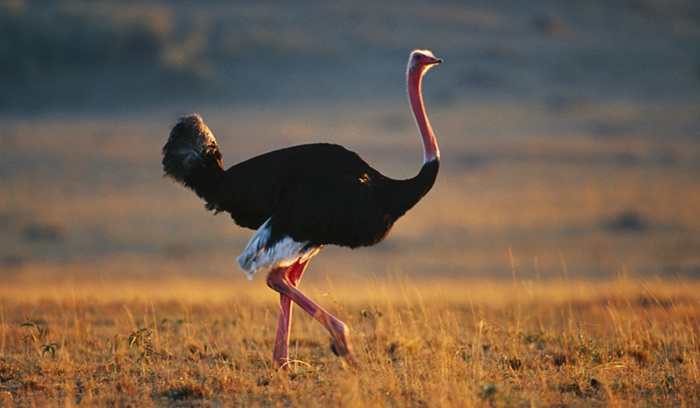
Ostriches return to Saudi Desert after 100 years in historic rewilding effort

In a major conservation victory, the red-necked ostrich is thriving once again in the Saudi Arabian desert after a 100-year absence from the wild. The population in the Imam Turki bin Abdullah Royal Natural Reserve has surged to nearly 250 individuals following a successful reintroduction program. This initiative restores a key species to its ancestral habitat, where natural breeding has already begun with the hatching of wild chicks. The success signals a new era of effective rewilding and biodiversity protection in the Kingdom.

Planting a tree

Guatemala launches historic rewilding of oil fields to protect the Maya Forest

Guatemala has launched a historic rewilding initiative by permanently closing the Xan oil field inside Laguna del Tigre National Park. This decision protects a massive ecosystem spanning approximately 827,000 acres, which is critical for jaguars and migratory birds. Instead of dismantling the site entirely, the government is repurposing the industrial infrastructure into a security base for rangers to fight illegal deforestation. This innovative “oil-to-wilderness” transition prioritizes ecological recovery and water security, setting a new global standard for retiring fossil fuel assets in protected areas.

Black bear

South Korea ends breeding of bears and extraction of their bile

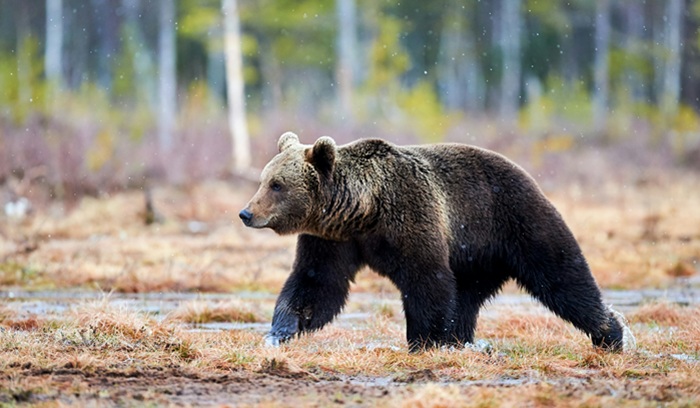
South Korea has passed a landmark law to ban bear bile farming, bringing an end to an industry established in the 1980s. The legislation prohibits the breeding and slaughter of bears for their bile, with a full phase-out mandated by January 1, 2026. The government has committed to building sanctuaries to house the approximately 300 remaining bears and will provide compensation to farmers. This collaborative victory, driven by the Ministry of Environment and animal welfare groups, marks a major win for global animal rights.

Giant Panda

Giant pandas no longer endangered in historic conservation win

The giant panda has achieved a historic conservation milestone, officially moving from “endangered” to “vulnerable” on the IUCN Red List. This status change reflects a 17% increase in the wild population over the last decade, with numbers now reaching 1,864 individuals. The recovery is the direct result of China’s massive investment in habitat restoration, bamboo reforestation, and successful captive breeding programs. This victory proves that sustained, science-based conservation can successfully pull iconic species back from the brink of extinction.

Bird in Ghanaian forest

Ghana repeals legislation that opened forest reserves to mining

In a historic win for conservation, the Parliament of Ghana has repealed L.I. 2462, effectively banning mining activities in the country’s protected forest reserves. This decision follows months of intense advocacy from a coalition of labor unions, religious groups, and environmental organizations. The repeal safeguards critical watersheds that provide drinking water to millions and protects vital habitats for endangered species. This legislative reversal marks a decisive shift toward sustainable development and restores the legal sanctity of Ghana’s natural heritage.

Bison on a plain

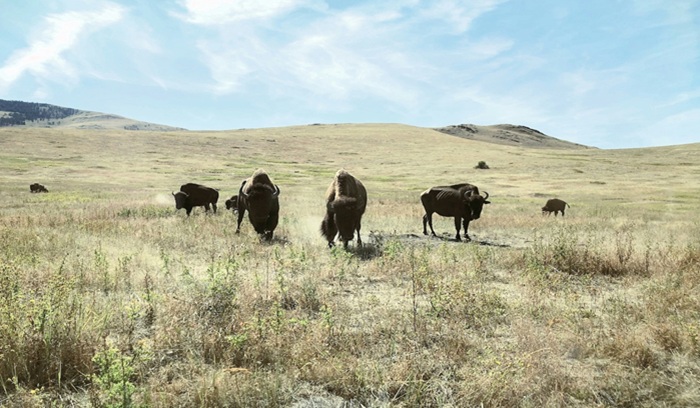
Major rewilding effort removes 100 miles of fencing across the Great Plains of Montana

Led by the American Prairie Reserve, this initiative relies on volunteers to clear abandoned barbed wire that endangers wildlife and fragments habitat. The removal reopens ancient migration corridors for species like pronghorn antelope and elk, allowing them to move freely across the landscape. This project restores the natural beauty of the prairie and serves as a powerful model for reconnecting fragmented ecosystems nationwide.

Rhino along a river

India’s rhino stronghold records zero poaching cases in 2025

This achievement marks the second time in five years that the state has successfully protected its world-famous one-horned rhinoceros population from poachers. Before the initial success in 2022, Assam had not seen a zero-poaching year since 1977. This milestone is critical for global biodiversity, as Assam is home to roughly 70% of the world’s greater one-horned rhinos.