Technology & innovation

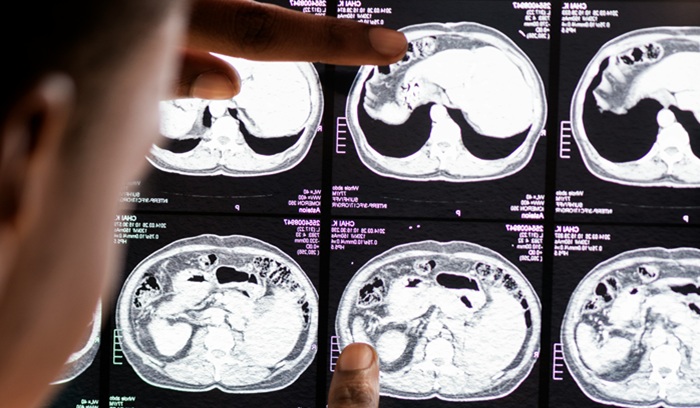
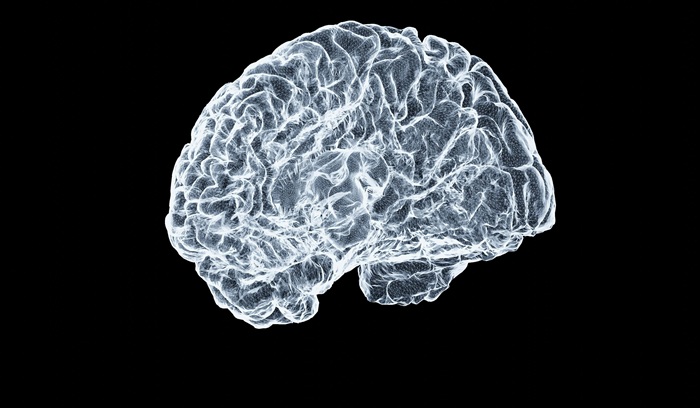
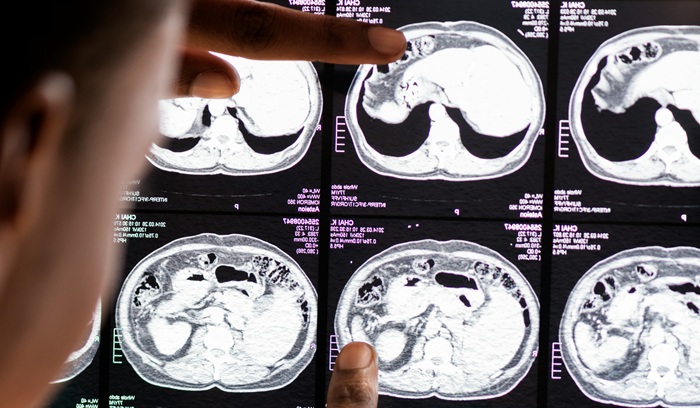
X-rays of a brain

Japan approves world’s first Parkinson’s stem cell treatment to restore brain function

Japan has officially approved the world’s first Parkinson’s stem cell treatment to restore dopamine production in the human brain. Originally reported by France 24, the therapy involves transplanting lab-grown neurons into patients who no longer respond to traditional medication. While the initial trial only involved seven participants, four individuals showed significant motor improvements over a two-year period. This landmark shift toward regenerative medicine offers a path to physical independence for millions. It represents a profound victory for scientific persistence and a hopeful sign that humanity can finally repair the biological damage caused by aging.
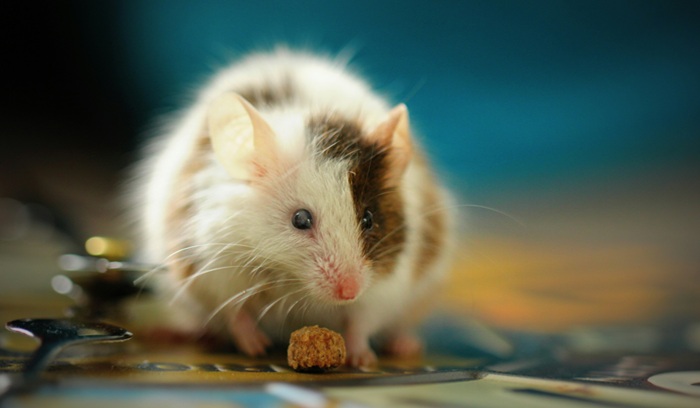

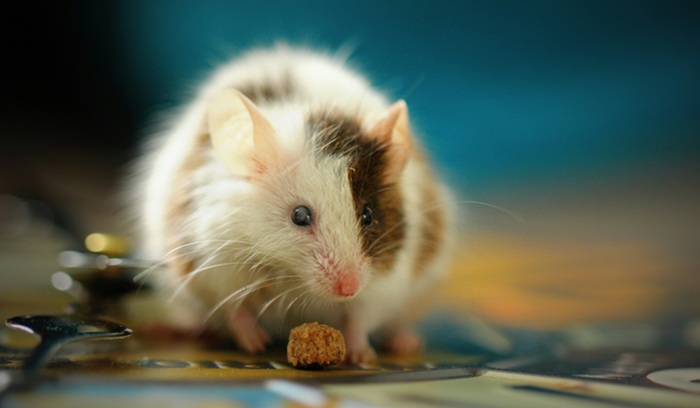
Mouse

Stanford researchers cure type-1 diabetes in mice with new treatment

Medical researchers at Stanford University have achieved a monumental breakthrough by successfully curing Type 1 diabetes in preclinical animal trials. The innovative treatment utilizes a combination of blood stem cells and insulin-producing islet cells to create a hybrid immune system within the recipient. This reset prevents the body from attacking its own tissues and eliminates the need for lifelong immunosuppressive drugs. With a flawless success rate in reversing the disease in test subjects, this highly translatable procedure offers immense hope for the future of autoimmune disease treatment and human organ transplantation.

Mauritius pioneers heat-resistant coral with 98% survival rates

Scientists in Mauritius have achieved a major conservation breakthrough, recording a 98% survival rate for transplanted heat-resistant corals. The project, led by the Mauritius Oceanography Institute, identifies resilient strains to rebuild reefs capable of withstanding rising ocean temperatures. With plans to transplant 100,000 fragments by 2030, this initiative secures vital coastal protection and food security for the island nation. The success offers a scalable, science-based model for climate adaptation that can be replicated by vulnerable island communities worldwide.

Mouse

American scientists fully reverse Alzheimer’s in mice

Researchers from Case Western Reserve University and the Cleveland VA Medical Center have successfully reversed Alzheimer’s symptoms in mice using a compound called P7C3-A20. This experimental drug works by protecting brain cells from death and repairing the blood-brain barrier. In the study, treated mice regained their memory and ability to navigate mazes, performing as well as healthy mice. This neuroprotective approach offers a promising new direction for treating human neurodegenerative diseases with a daily pill.

Illustration of the concept of nuclear fusion

China achieves breakthrough in fusion reactor plasma density

China has achieved a major breakthrough in the quest for viable fusion power with its experimental EAST reactor in Hefei, Anhui Province. The device shattered a world record by sustaining plasma at 158 million degrees Fahrenheit for over 17 minutes. This engineering feat proves that the extreme conditions needed for fusion can be stabilized for long durations. The breakthrough is a critical step in the global effort to develop abundant, safe, carbon-free energy supplies and combat climate change.

China unveils world-first commercial supercritical carbon dioxide power generator

China has achieved a major engineering milestone with the operation of Chaoton One, a large-scale power generator located in Shandong Province. This technology moves beyond traditional steam, utilizing supercritical carbon dioxide to drive smaller, more powerful turbines. The unit is expected to deliver a 50% increase in net electricity generation compared to current steam technologies. Furthermore, it improves overall power generation efficiency by over 85%, reducing both fuel consumption and carbon emissions.

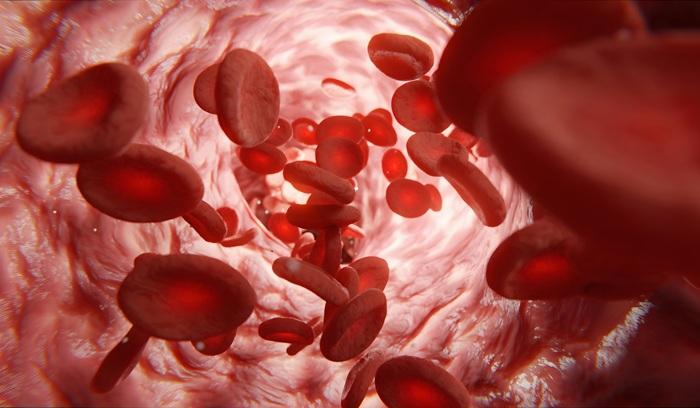
Illustration of blood cells

New treatment reverses incurable blood cancer in some patients

A revolutionary gene-editing therapy has successfully cleared “incurable” leukemia in children during a world-first clinical trial. Developed by scientists at Great Ormond Street Hospital and University College London, the treatment uses base-edited T-cells from healthy donors to hunt down and destroy cancer cells. This “off-the-shelf” therapy has already achieved remission in patients who had exhausted all other options.

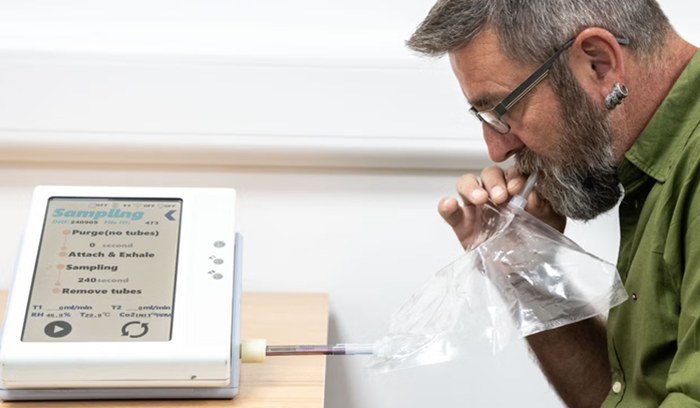
Pancreatic cancer breath test

New pancreatic cancer breath test hailed as major breakthrough

A breakthrough in early cancer detection is offering crucial hope against pancreatic cancer. The NHS has launched a national validation trial involving over 6,000 patients to test a simple breathalyzer device. Developed by researchers at Imperial College London, this non-invasive test identifies unique chemical signatures of the disease. This pioneering diagnostic tool promises to increase the percentage of patients eligible for potentially life-saving surgery.

Brain x-rays

Scientists reverse Alzheimer’s in mice under breakthrough treatment

A breakthrough in neurological science is offering major hope against Alzheimer’s disease. An international research team successfully used a single-injection nanotherapy to reverse symptoms in mice. This treatment rapidly clears up to 50% of toxic amyloid proteins by rebooting the brain’s own natural clearance systems. This innovation, developed by the Institute for Bioengineering of Catalonia and West China Hospital of Sichuan University, shifts the focus from managing decline to restoring function, accelerating research toward a cure for this devastating disease.

Black and white illustration of human brain

U.K. scientists successfully treat Huntington’s disease for first time ever

A breakthrough gene therapy is offering unprecedented hope for families battling Huntington’s disease (HD), a fatal neurodegenerative disorder. Trial results show the one-time therapy successfully slowed disease progression by 75% in patients. This major victory, developed by scientists at University College London, is the first treatment to truly modify the disease’s course. It transforms a devastating, inherited diagnosis into a manageable condition, accelerating research for other neurological disorders like Alzheimer’s.