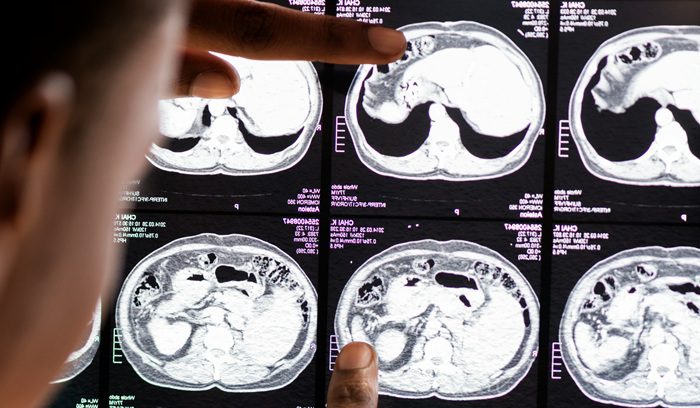
Japan has approved the world’s first stem cell therapy for Parkinson’s disease, a milestone that could reshape how medicine approaches one of the most common and debilitating neurological conditions on Earth. The treatment uses induced pluripotent stem cells — known as iPSCs — to generate dopamine-producing neurons and transplant them into the brains of patients whose own dopamine systems have broken down. For the estimated 10 million people worldwide living with Parkinson’s, it is the most significant development in decades.
At a glance
- Parkinson’s stem cell treatment: Japan’s Ministry of Health, Labour and Welfare granted conditional approval to a therapy developed by researchers at Kyoto University, allowing it to move toward wider clinical use under the country’s accelerated regenerative medicine framework.
- iPSC technology: Induced pluripotent stem cells — pioneered by Nobel laureate Shinya Yamanaka at Kyoto University — are reprogrammed from adult cells and can be guided to become almost any cell type, including the dopamine neurons that Parkinson’s destroys.
- Clinical results: Early-phase trials showed that patients who received the transplanted neurons experienced measurable improvements in motor function, with the new cells surviving and integrating into existing brain tissue.
Why dopamine matters
Parkinson’s disease is caused by the progressive loss of neurons in a region of the brain called the substantia nigra. These neurons produce dopamine, a chemical messenger that coordinates smooth, controlled movement. As dopamine levels fall, patients develop the characteristic tremors, rigidity, and slowness of movement that define the disease.
Current treatments — most notably the drug levodopa — help manage symptoms by temporarily boosting dopamine levels, but they do not stop or reverse the underlying neuronal loss. Over time, their effectiveness fades. The new stem cell approach is fundamentally different: rather than compensating for missing neurons, it attempts to replace them.
Decades of science behind one approval
The path to this approval began in 2006, when Yamanaka published his landmark paper showing that ordinary adult cells could be reprogrammed into a pluripotent state — capable of becoming virtually any cell in the body. That discovery earned him the Nobel Prize in Physiology or Medicine in 2012 C.E. and launched a global effort to turn the technology into actual therapies.
The Kyoto team, led by neuroscientist Jun Takahashi, spent years refining the process of coaxing iPSCs into high-quality dopaminergic neurons, testing their safety in animal models, and then carefully advancing into human trials. The results were promising enough that Japan’s regulatory body — operating under a 2014 C.E. law designed to accelerate access to regenerative medicines — granted conditional approval, meaning the therapy can be used more widely while longer-term data continues to be collected.
What this means for patients and science
Japan’s regulatory pathway is worth understanding. Unlike full approval, conditional approval requires ongoing data collection and periodic reassessment — a model designed to balance urgency for patients with the need for rigorous long-term evidence. It is the same framework that enabled earlier iPSC-based treatments for eye disease and heart failure to reach patients ahead of other countries.
For Parkinson’s patients, especially those who have exhausted the benefits of medication, the approval opens a real clinical option that did not exist before. Researchers elsewhere — including teams in the U.S., U.K., and Sweden — are watching closely and running parallel trials, meaning the science is now moving on multiple fronts simultaneously.
There are still important unknowns. Long-term data on how well the transplanted neurons survive over many years remains limited, and it is not yet clear which patients will benefit most or how early in the disease the treatment works best. The cost and complexity of iPSC-based therapies also remain significant barriers to broad access, particularly in lower-income countries where Parkinson’s rates are rising. These are not small challenges, and they will shape how transformative this approval ultimately becomes.
A new chapter for brain medicine
What Japan has approved is not a cure. Parkinson’s is a complex disease with multiple biological drivers, and replacing lost neurons addresses only one part of that picture. But it is the first time a regulatory authority anywhere in the world has said: yes, this approach is ready to be used in patients. That signal matters enormously — to researchers, to clinicians, and to the millions of people and families who have been waiting for something genuinely new.
The iPSC platform that makes this possible is also not limited to Parkinson’s. The same basic technology is being explored for ALS, spinal cord injury, diabetes, and heart disease. Japan’s approval is, in that sense, a proof of concept for an entire class of medicine that scientists have been building toward for nearly two decades.
Read more
For more on this story, see: Good News for Humankind
For more from Good News for Humankind, see:
- Alzheimer’s risk cut in half by drug in landmark prevention trial
- Ghana creates a major new marine protected area at Cape Three Points
- The Good News for Humankind archive on global health
About this article
- 🤖 This article is AI-generated, based on a framework created by Peter Schulte.
- 🌍 It aims to be inspirational but clear-eyed, accurate, and evidence-based, and grounded in care for the Earth, peace and belonging for all, and human evolution.
- 💬 Leave your notes and suggestions in the comments below — I will do my best to review and implement where appropriate.
- ✉️ One verified piece of good news, one insight from Antihero Project, every weekday morning. Subscribe free.