
Public health & disease

From disease eradication efforts to advances in vaccination and maternal health, this archive tracks real progress in public health. Stories here focus on what’s working — policies, interventions, and research that are improving and extending lives around the world.

Elderly couple, for article on global life expectancy

Global life expectancy crosses 50 years for the first time in history

Global life expectancy crossed 50 years for the first time around 1955, a threshold earlier generations would have found almost unimaginable. The leap came from many places at once: antibiotics, mass vaccination, cleaner water, and steep drops in child mortality across Asia, Africa, and Latin America. For the first time, most children born on Earth could expect to grow up.

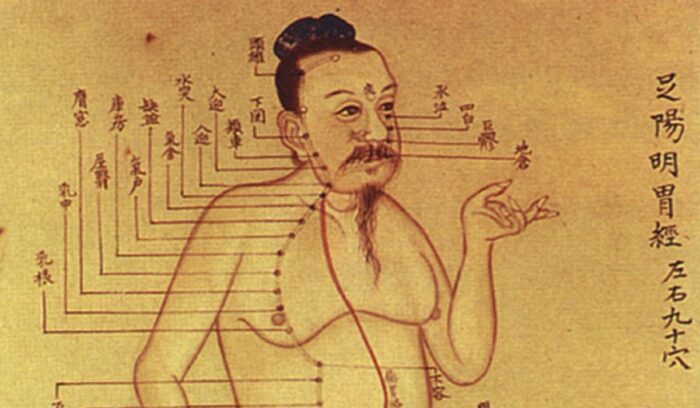
Old Chinese medical chart on acupuncture meridians, for article on traditional Chinese medicine

China formalizes traditional Chinese medicine into a national health system

Traditional Chinese medicine, as we know it today, was largely shaped in 1949 when Mao Zedong’s new government unified centuries of competing herbal traditions, folk practices, and cosmological theory into a single standardized system. One legacy: artemisinin, drawn from an herb long used in Chinese medicine, became a modern malaria treatment and earned Tu Youyou the 2015 Nobel Prize.

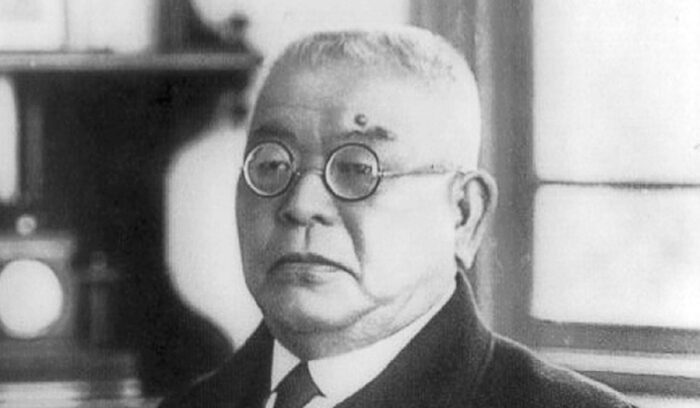
image for article on penicillin clinical trials

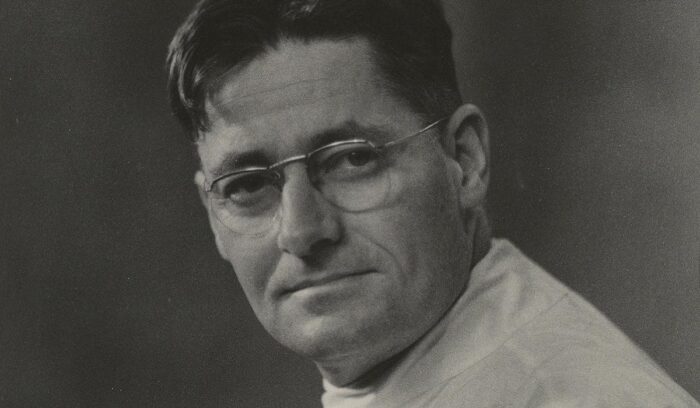
Howard Florey’s team gives penicillin its first human trial at Oxford

Penicillin’s first human trial took place at Oxford in February 1941, when Howard Florey’s team treated a dying police constable named Albert Alexander. He improved dramatically for five days before the scarce drug ran out, and he later died. The experiment still opened the door to antibiotic medicine, which Florey estimated would go on to save tens of millions of lives.

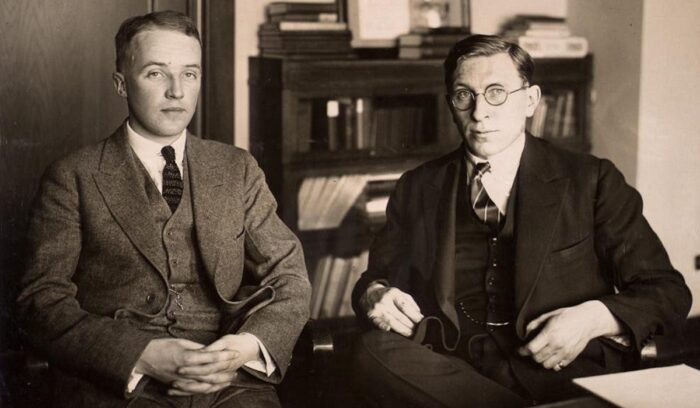
Canadian scientists Frederick Banting (right) and Charles Best circa 1924, for article on insulin isolation

Banting and Best isolate insulin, offering life to millions with diabetes

Insulin’s discovery came during a sweltering Toronto summer in 1921, when Frederick Banting and Charles Best extracted the hormone from a dog’s pancreas. Months later, a 14-year-old boy named Leonard Thompson became the first person successfully treated, his symptoms clearing after a refined second dose. A diagnosis once fatal within months had become something a person could live with.

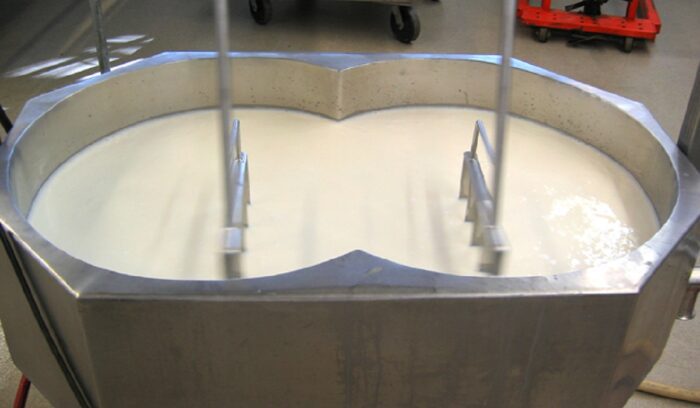
image for article on Louis Pasteur pasteurization

Louis Pasteur develops pasteurization, transforming food safety and saving millions of lives

Louis Pasteur’s pasteurization began in a Sorbonne lecture theater in 1864, when he showed that gentle, precise heat could kill the microorganisms spoiling French wine and beer. Milk came later, and with it a quiet revolution in child survival. Chicago mandated milk pasteurization in 1908, and the germ theory behind it became the scaffolding of modern medicine.