
Life expectancy improves for blacks in the U.S., and the racial gap is closing, CDC reports
African Americans have made significant gains in life expectancy, and the mortality gap between white and black Americans has been cut in half since 1999.
From disease eradication efforts to advances in vaccination and maternal health, this archive tracks real progress in public health. Stories here focus on what’s working — policies, interventions, and research that are improving and extending lives around the world.

African Americans have made significant gains in life expectancy, and the mortality gap between white and black Americans has been cut in half since 1999.
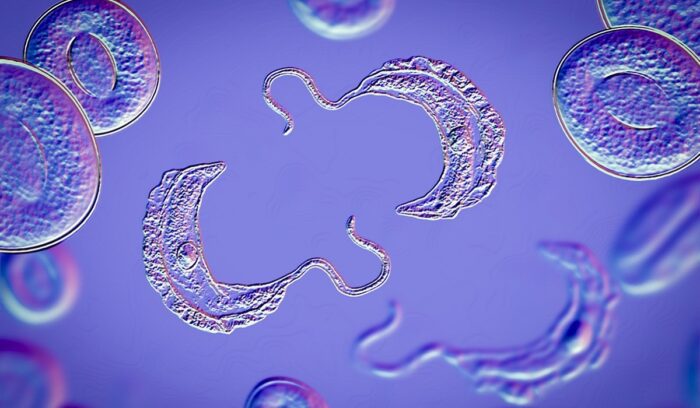
WHO director general says significant strides have been made in fight against sleeping sickness, elephantiasis and other neglected tropical diseases
“We’ve been banging on a wall with a bunch of drugs, and we finally put a big crack in the wall,” said Dr. Jerry Wolinsky.

Global life expectancy climbed past a decade between 1980 and 2015, with men reaching 69 years and women nearly 75, according to the Global Burden of Disease study. Childhood deaths halved since 1990, and malaria mortality dropped by roughly 60% after 2000. A quiet reminder that coordinated effort, over time, bends the curve.
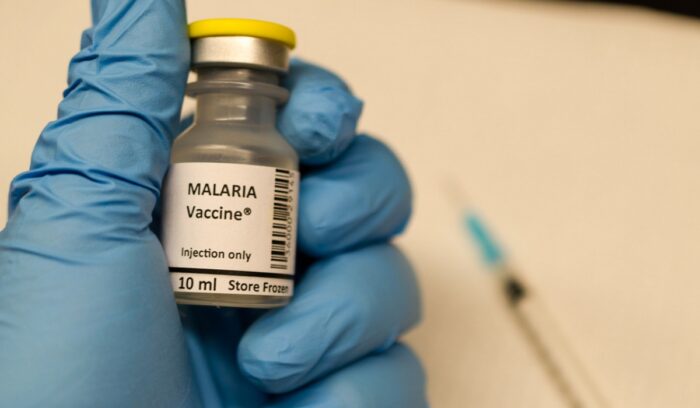
Sri Lanka was certified malaria-free in 2016, a hard-won milestone for a tropical island still recovering from civil conflict. Mobile clinics reached remote villages, and quick diagnosis in children stopped the parasite before mosquitoes could carry it further. The country had nearly beaten malaria once before, in the 1960s, only to watch it roar back — making this second victory feel earned.
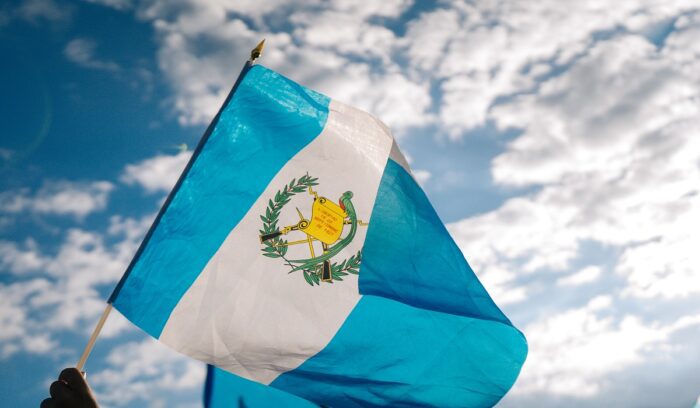
In September 2016, Guatemala was declared free of river blindness, ending a parasitic disease that had threatened sight and livelihoods in rural communities along fast-flowing rivers. The victory came after more than 20 years of twice-yearly Mectizan treatments reaching at least 85% of eligible people. It’s a reminder that patient, community-rooted public health work can undo old harms.
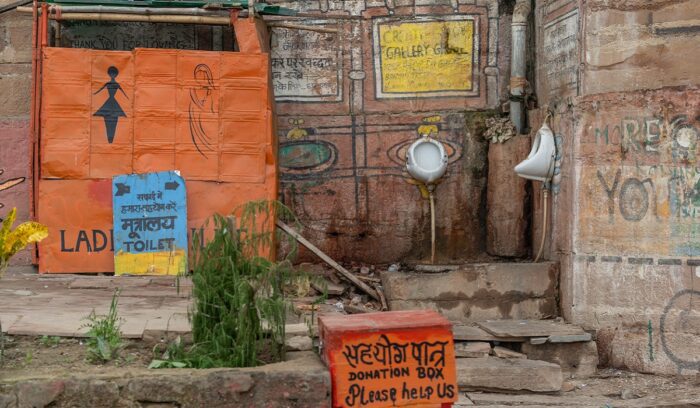
The Swachh Bharat Mission launched on October 2, 2014, Gandhi’s 150th birthday, with one audacious goal: end open defecation across India within five years. The government subsidized roughly 90 million toilets, and by 2022 the share of Indians practicing open defecation had dropped from 73% in 2000 to about 11%. A quiet shift in everyday public health.
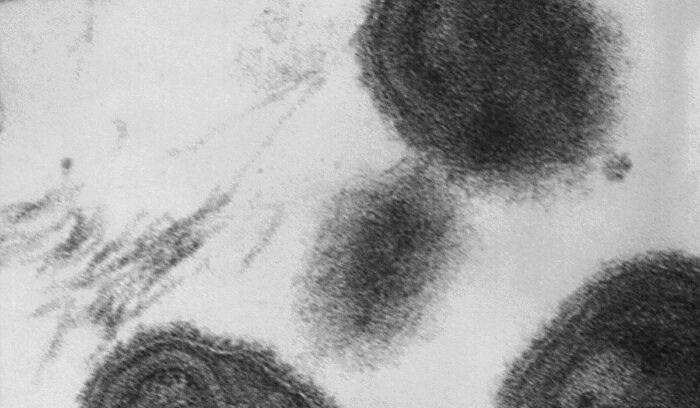
Smallpox was declared eradicated on May 8, 1980, ending a disease that had stalked humans for at least 3,000 years and killed up to 30% of those it infected. The WHO’s campaign paired mass vaccination with relentless case-tracking, led largely by local health workers. It remains the only human disease ever eliminated.
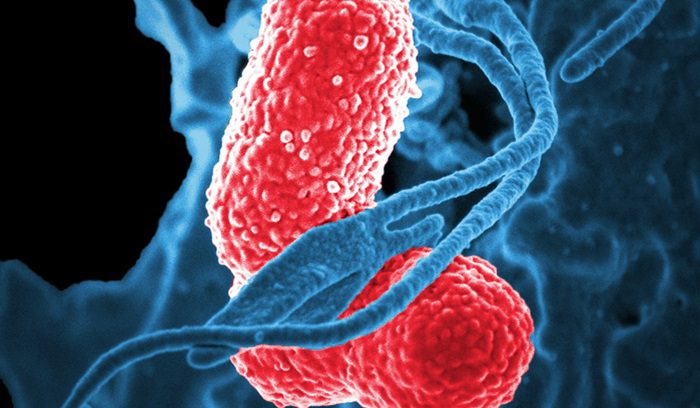
The first modern pneumococcal vaccine was licensed in the United States in 1977, ending a century-long hunt to tame one of humanity’s deadliest bacteria. Physician Robert Austrian had shown that many patients died within 96 hours of infection, before antibiotics could help. Prevention, not just cure, finally had a tool.
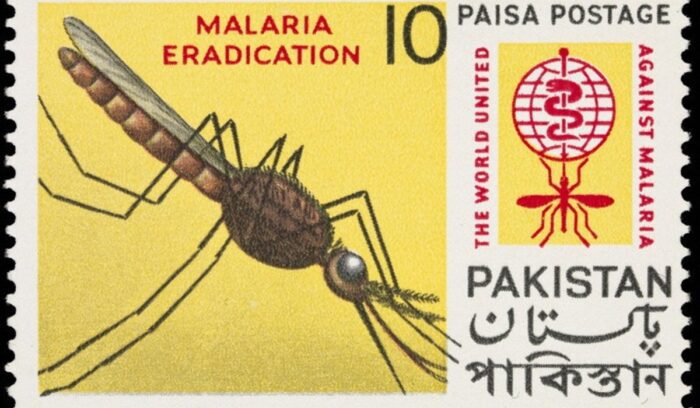
Global malaria eradication became an official international goal in the spring of 1955, when the World Health Assembly voted to coordinate the first planet-wide campaign against the ancient disease. By the time the effort was suspended in 1969, malaria had been eliminated from 37 countries and territories — proof that organized human cooperation could push back a killer older than civilization itself.