
Public health & disease

From disease eradication efforts to advances in vaccination and maternal health, this archive tracks real progress in public health. Stories here focus on what’s working — policies, interventions, and research that are improving and extending lives around the world.

jason leung unsplash, for article on football codification, for article on food preservation

Nicolas Appert’s method of food preservation solves a problem as old as hunger

Food preservation took a quiet leap forward in 1809, when French confectioner Nicolas Appert discovered that food cooked inside a sealed glass jar simply didn’t spoil. He’d earned the insight through roughly a decade of trial and error, claiming a 12,000-franc government prize the following year — half a century before anyone understood why it worked.


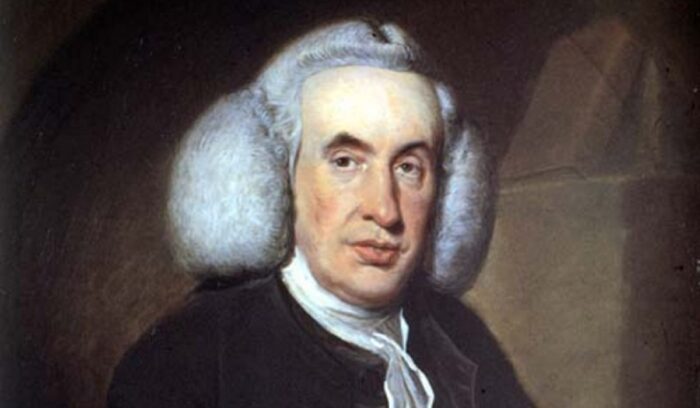
HanaokaSeishu, for article on Hanaoka Seishū general anesthesia

Hanaoka Seishū performs the first documented surgery under general anaesthesia

In October 1804, a Japanese surgeon named Hanaoka Seishū removed part of a 60-year-old woman’s breast while she slept peacefully under an herbal anesthetic he had spent two decades perfecting. His formula, tsūsensan, drew on Chinese pharmacology and Dutch medical texts. It stands as the first reliably documented surgery under general anesthesia, nearly four decades before ether.

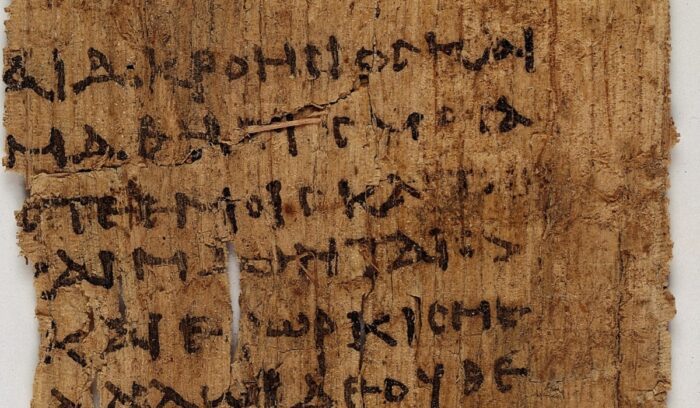
A fragment of the Hippocratic oath on the 3rd-century Papyrus Oxyrhynchus, for article on Hippocratic Oath

Ancient Greek physicians set the foundations of medical ethics

The Hippocratic Oath, written sometime in the fourth or fifth century B.C.E. by an unknown author in the Greek medical tradition, bound physicians to their patients through a code of care, confidentiality, and restraint. Though the famous phrase “first, do no harm” came later, the spirit endured — shaping how societies have thought about medical duty for roughly 2,500 years.

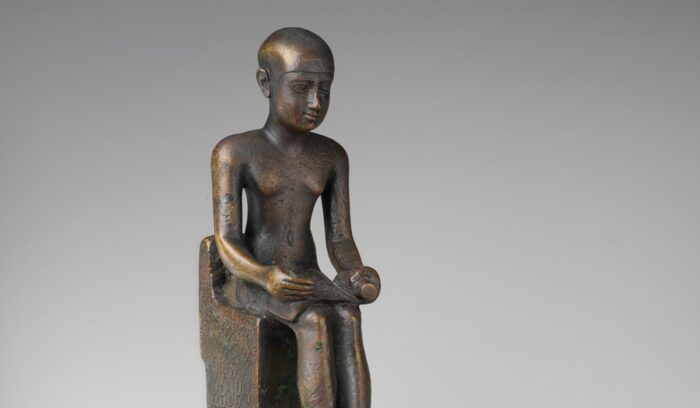
Statuette, for article on cancer diagnosis history

The Edwin Smith Papyrus records the first known written cancer diagnosis

The Edwin Smith Papyrus, written around 2650 B.C.E., contains what historians recognize as the oldest known written diagnosis of cancer. In a surgical text methodically working through 48 cases, an Egyptian scribe described hard, cool tumors of the breast and offered an unflinching verdict: “There is none.” Naming a disease honestly, it turns out, is itself ancient medicine.

Baby and mother holding hands, for article on cesarean birth survival

Jacob Nufer performs the first recorded cesarean birth with both mother and baby surviving

Cesarean birth survival entered medical memory around 1500 C.E., when a Swiss pig gelder named Jacob Nufer reportedly opened his wife’s abdomen after days of failed labor — and both lived. The story, written down 82 years later by a surgeon with an agenda, may be embellished, but it gave European medicine something powerful: proof that survival was even imaginable.