Europe

This archive covers progress stories from across Europe, spanning the U.K., Scandinavia, the E.U. and beyond. Readers will find reporting on health, climate policy, social welfare, science and more — drawn from nearly 1,200 articles tracking real gains made by communities, governments and researchers throughout the region.

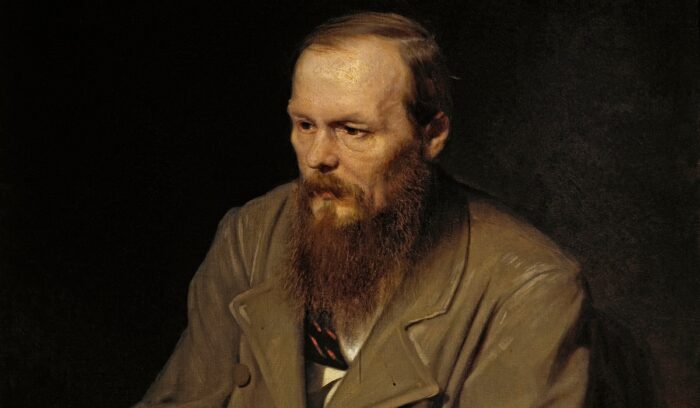
Portrait of Fyodor Dostoyevsky by Vasily Perov, for article on crime and punishment

Dostoevsky publishes Crime and Punishment, changing how novels explore the human mind

Crime and Punishment began appearing in The Russian Messenger in January 1866, unfolding across twelve monthly installments as readers followed a destitute ex-student named Raskolnikov murder a pawnbroker and slowly unravel under his own guilt. Dostoevsky, hounded by debt, had burned an earlier draft and rewritten it in third person — a shift that let fiction inhabit a mind coming apart, and quietly reshaped what novels could do.

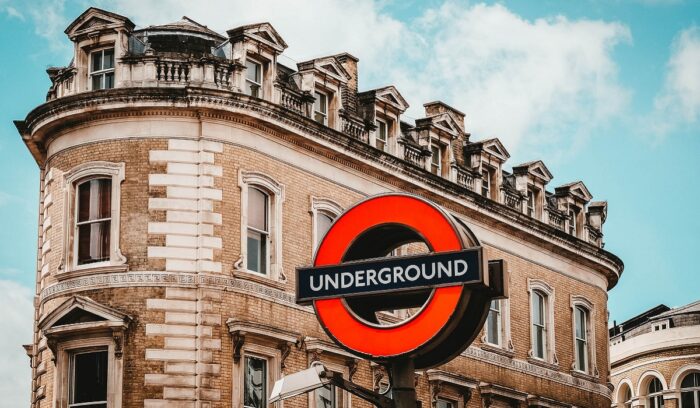
London Underground signage, for article on london underground history

London’s Metropolitan Railway opens as the world’s first underground passenger railway

The London Underground opened on January 10, 1863, when 38,000 passengers descended into gas-lit wooden carriages running beneath Paddington and Farringdon. Steam locomotives filled the tunnels with such thick fumes that staff were encouraged to grow beards as filters. It was the world’s first underground railway — a template cities everywhere would eventually follow.

image for article on classical guitar design

Antonio Torres of Spain establishes the modern classical guitar design

Around 1850, a Spanish carpenter named Antonio de Torres Jurado quietly reshaped the guitar in his Seville workshop. By widening the body and introducing fan bracing — wooden struts radiating beneath the soundboard — he gave the instrument the volume and warmth concert halls demanded. Nearly every classical guitar built today still follows his blueprint.