Europe

This archive covers progress stories from across Europe, spanning the U.K., Scandinavia, the E.U. and beyond. Readers will find reporting on health, climate policy, social welfare, science and more — drawn from nearly 1,200 articles tracking real gains made by communities, governments and researchers throughout the region.

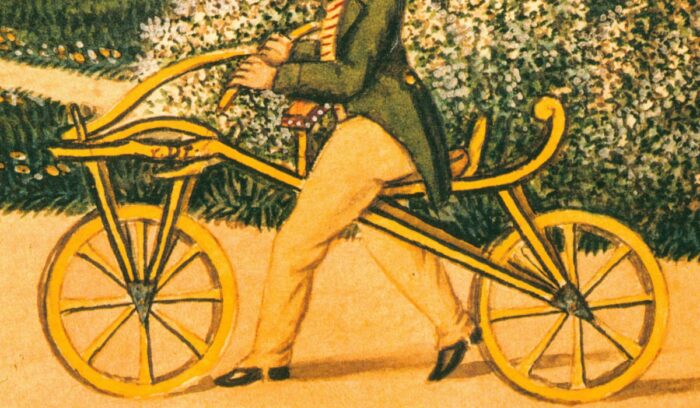
Karl von Drais on his original Laufmaschine, for article on draisine invention

Karl von Drais builds the first human-powered two-wheeled vehicle

The bicycle’s ancestor rolled into existence on June 12, 1817, when German inventor Karl von Drais glided 14 kilometers between Mannheim and Schwetzingen on a two-wheeled wooden contraption he pushed with his feet. He built it during the crop-failing “Year Without a Summer,” when starving horses made a self-powered machine feel suddenly necessary. Every bicycle since traces back to that ride.

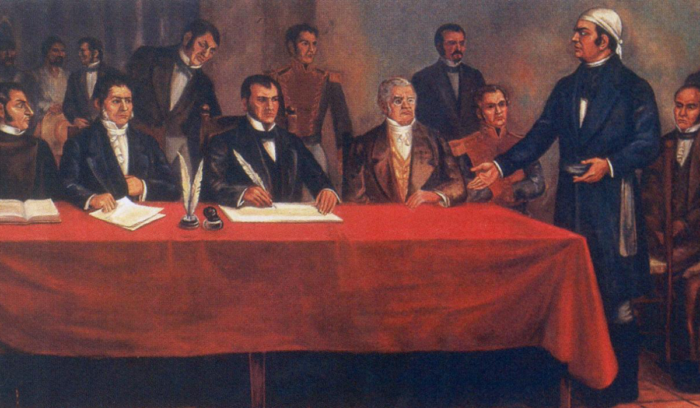
Congress of Chilpancingo painting, for article on Congress of Chilpancingo

Congress of Chilpancingo declares Mexico independent from Spain

The Congress of Chilpancingo convened in September 1813, gathering insurgent representatives in a small mountain town in what is now Guerrero, Mexico. Led by José María Morelos, they formally declared independence from Spain and drafted the Sentimientos de la Nación, abolishing slavery and racial castes. Eight years before Mexican independence arrived, they sketched its moral blueprint under fire.

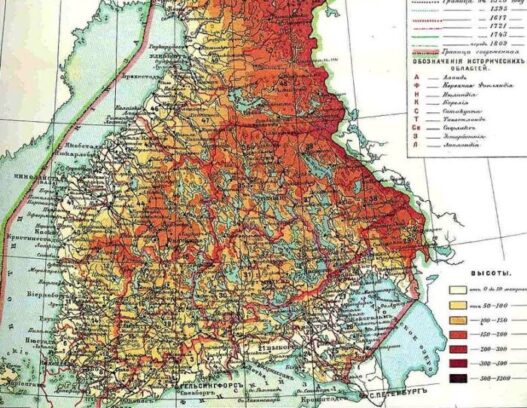
Map of Finland, for article on Finnish autonomy

Finland gains autonomy within the Russian Empire

Finnish autonomy began on September 17, 1809, when the Treaty of Fredrikshamn ended six centuries of Swedish rule and handed Finland to Russia — with a twist. Tsar Alexander I let Finland keep its laws, faith, and a senate run by Finns themselves. That protected space quietly nurtured the identity Finland would carry into independence in 1917.

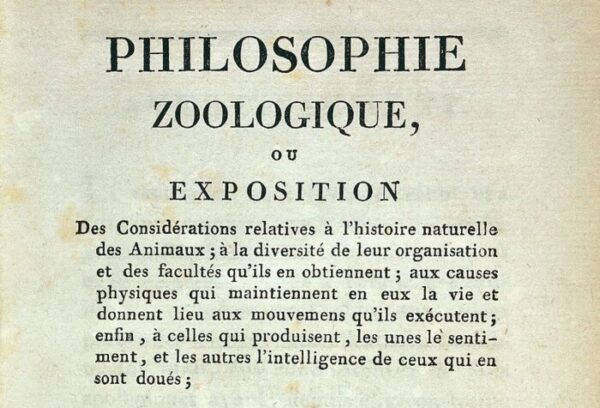
px Title Page of Lamarck Philosophie Zoologique Wellcome L, for article on philosophie zoologique evolution

Lamarck publishes the first systematic theory of biological evolution

Philosophie Zoologique arrived in 1809, when a 65-year-old French naturalist named Jean-Baptiste Lamarck argued that species are not fixed but shaped, across generations, by their environments. His proposed mechanism was later disproved, yet his book offered the first complete framework for evolutionary change — clearing intellectual ground Darwin would build on fifty years later.

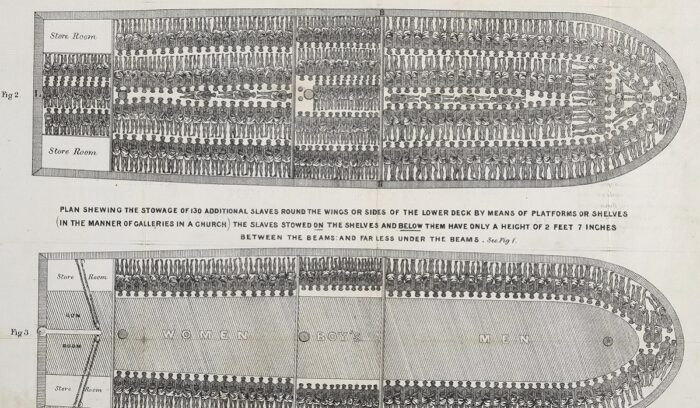
Stowage of a British slave ship, for article on Atlantic slave trade abolition

British Parliament bans the Atlantic slave trade after 20 years of campaigning

Britain’s Atlantic slave trade abolition became law on 25 March 1807, when King George III signed the Slave Trade Act after two decades of failed attempts. The final Commons vote was 283 to 16, the culmination of a campaign carried by Quakers, formerly enslaved writers like Olaudah Equiano, and petitioners across the country. It was the first time a major empire legislated against its most profitable trade on moral grounds.