Climate crisis

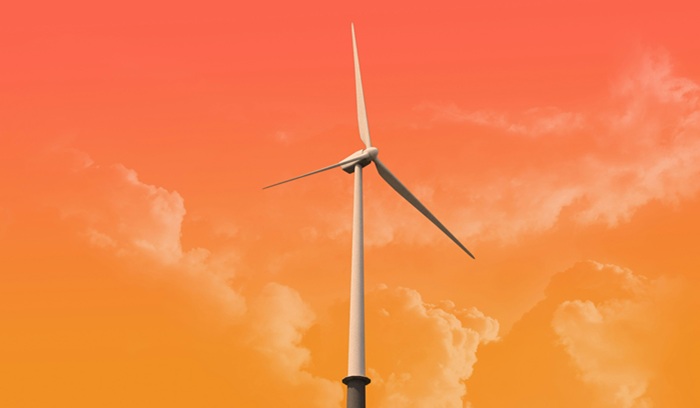
Wind turbine

Humanity on track to triple renewable capacity by 2030 since 2023 pledge

The Global Renewables and Energy Efficiency Pledge, formalized at COP28 in 2023, committed nearly 200 countries to ambitious renewable energy goals.
Since that pledge, the pace of new installations has surged, with an average of over 550 gigawatts (GW) of new renewables capacity added annually, according to data from energy think tank Ember. To meet the tripling target, analysts say, renewable additions need to grow by just 12% each year from 2026 to 2030.
This massive, coordinated push is critical for keeping the crucial 1.5°C warming limit within reach.
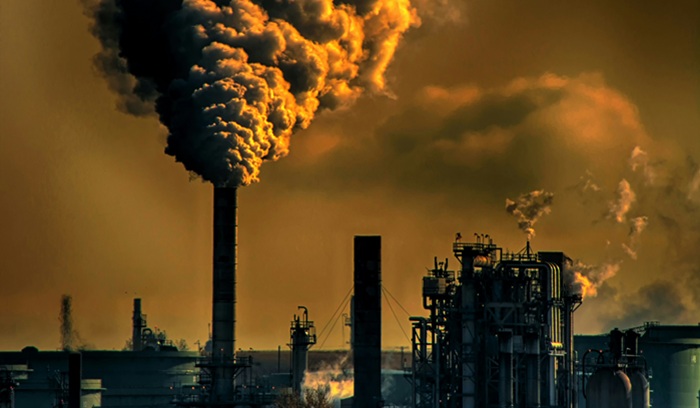

Large industry facility polluting

French court rules against oil giant TotalEnergies in landmark greenwashing case

A landmark French court ruling has set a global precedent against corporate greenwashing. The court found that TotalEnergies misled consumers with claims about its climate commitment while still expanding fossil fuel production. This victory for consumer advocacy groups, such as Friends of the Earth France, is crucial. It forces corporations to align their marketing with verifiable action, significantly raising the legal and financial stakes for climate deception worldwide.

Porto-Novo, Benin

Benin commits to making renewables its main source of power by 2030

Benin is launching a strategic national effort to make renewable energy its main source of power by 2030. The National Renewable Energy Development Policy aims to increase renewables to 30% of the energy mix. This push includes a target to install at least $100$ megawatts (MW) of solar capacity. This shift is accelerating energy independence, reducing reliance on costly imports, and empowering local economies across the nation.

Aerial view of forest

China has added more than 170 million acres of forest since 1990

A new national inventory confirms China’s massive environmental success, demonstrating a major increase in forest cover roughly equivalent to the size of Texas. This unparalleled reforestation effort has dramatically enhanced the nation’s ability to sequester CO2, boosting its climate mitigation goals. By successfully reversing decades of deforestation and empowering millions of local land stewards, China has proven that large-scale ecological recovery is achievable.

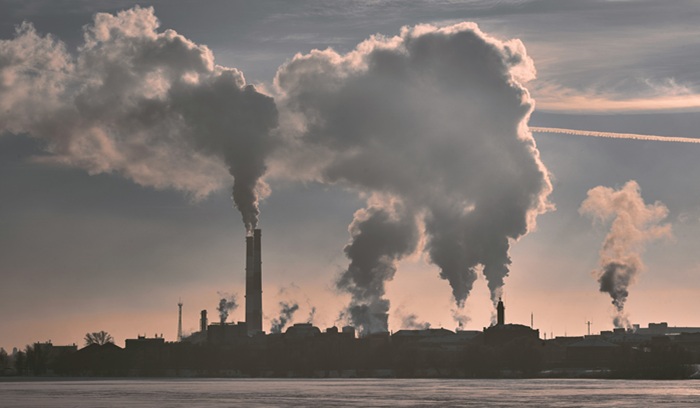
Smokestacks polluting

New England’s last coal plant closes permanently

New England has secured a major win for the environment by officially going coal-free. The permanent closure of New Hampshire’s Merrimack Station, the region’s last coal plant, ends a major source of air pollution and CO2 emissions. This transition, enabled by strong investment in natural gas, wind, and solar capacity, proves that industrial economies can successfully retire large fossil fuel assets without compromising energy security. The move delivers significant public health benefits and sets a clear standard for climate leadership.

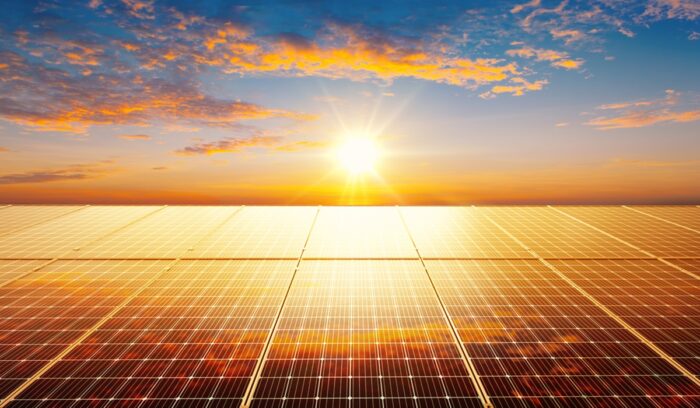
Solar panels reflect sparkling light from the Sun

Solar imports in Africa up 60% since 2024

A powerful solar energy revolution is now confirmed across Africa, driven by a surge of over 60% in panel imports from China. This “solar take-off” provides a crucial pathway to achieving universal energy access by bypassing outdated infrastructure. The decentralized growth is fueling economic development and local entrepreneurship. By expanding its clean energy supply, the continent is ensuring its future growth is sustainable and resilient against global fossil fuel volatility.

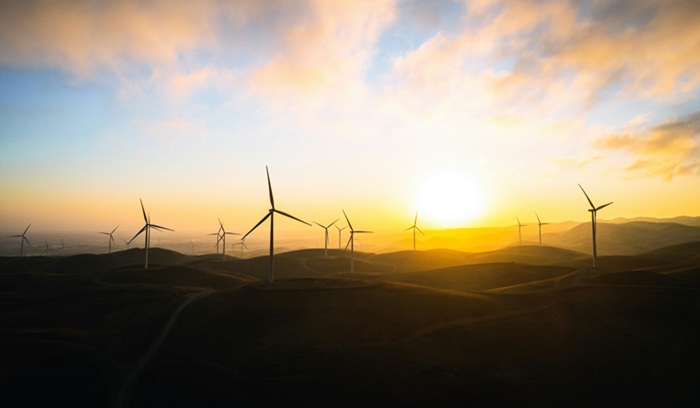
Wind turbines with rising sun in background

Renewables overtake coal as world’s largest source of electricity

Global renewable energy generation is set to surpass coal power for the first time in history, according to the International Energy Agency (IEA). New global capacity additions are expected to exceed 750 gigawatts (GW) in 2025, driven overwhelmingly by solar and wind power. This record-breaking growth confirms that clean energy is now the most affordable and dominant source of new power worldwide, establishing a firm trajectory for global decarbonization.

Hong Kong traffic

Global EV sales up 27% in 2025 despite political headwinds

Global EV sales have soared by 27% in 2025, demonstrating that the move to climate-friendly electric vehicles is an unstoppable market-driven transition.
This phenomenal growth continued despite significant anti-electrification policies and political headwinds coming from the U.S. market.
The surge is delivering significant benefits, eliminating harmful tailpipe emissions to improve public health and protect planetary systems, fueled by rapidly falling battery costs and strong global demand.

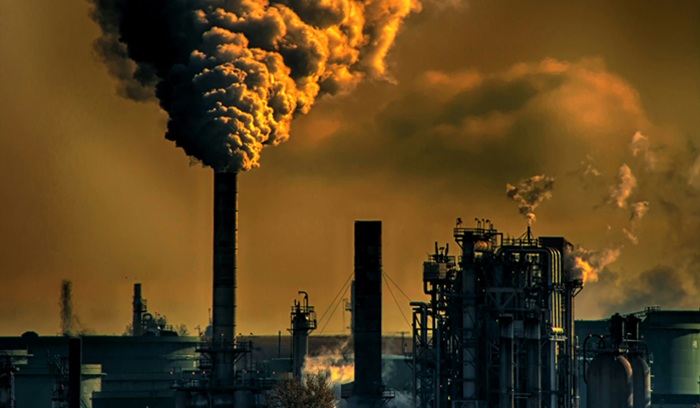
Industrial facility polluting

China commits to an absolute target to cut its emissions for the first time

China, the world’s largest emitter of greenhouse gases, has made a historic policy shift by committing to an absolute reduction in emissions for the first time. President Xi Jinping pledged that China would cut economy-wide emissions by 7-10% below peak levels by 2035. This commitment is driven by a domestic boom in clean energy, with solar and wind capacity now rapidly outpacing electricity demand growth. However, many climate critics argue that this initial 7-10% target is too modest. They point out that China is already on track to meet this goal under current policies, suggesting a far more ambitious cut is technically feasible and necessary to align with global climate targets.

Wind turbines in the distance at sunrise

Australia vows to cut emissions by at least 62% by 2035

In a landmark climate announcement, Australia has committed to a new target of cutting greenhouse gas emissions by 62-70% below 2005 levels by 2035. This ambitious plan, which is backed by a comprehensive net zero strategy, is a significant step toward a sustainable future. The government’s plan emphasizes a transition to clean electricity, which will not only reduce pollution but also create new jobs and enhance the nation’s energy security.