Public health & disease

X-rays of a brain

Japan approves world’s first Parkinson’s stem cell treatment to restore brain function

Japan has officially approved the world’s first Parkinson’s stem cell treatment to restore dopamine production in the human brain. Originally reported by France 24, the therapy involves transplanting lab-grown neurons into patients who no longer respond to traditional medication. While the initial trial only involved seven participants, four individuals showed significant motor improvements over a two-year period. This landmark shift toward regenerative medicine offers a path to physical independence for millions. It represents a profound victory for scientific persistence and a hopeful sign that humanity can finally repair the biological damage caused by aging.


Mouse

Stanford researchers cure type-1 diabetes in mice with new treatment

Medical researchers at Stanford University have achieved a monumental breakthrough by successfully curing Type 1 diabetes in preclinical animal trials. The innovative treatment utilizes a combination of blood stem cells and insulin-producing islet cells to create a hybrid immune system within the recipient. This reset prevents the body from attacking its own tissues and eliminates the need for lifelong immunosuppressive drugs. With a flawless success rate in reversing the disease in test subjects, this highly translatable procedure offers immense hope for the future of autoimmune disease treatment and human organ transplantation.

Indian girls

India set to launch free nationwide HPV vaccination for adolescent girls

The Indian government is rolling out a monumental public health initiative to provide free human papillomavirus vaccines to adolescent girls across the country. Targeting girls between the ages of nine and fourteen, the campaign aims to drastically reduce the incidence of cervical cancer. This massive undertaking is made possible by the introduction of Cervavac, an affordable, domestically produced vaccine developed by the Serum Institute of India. By integrating the vaccine into existing national immunization programs and utilizing schools as distribution hubs, India is taking a proactive step toward eliminating cervical cancer and securing a healthier future.

Used computer parts

Malaysia bans electronic waste imports to protect the environment and public health

In a monumental victory for public health and environmental justice, Malaysia has enacted an immediate and absolute ban on the importation of electronic waste. By removing regulatory loopholes and launching a strict enforcement campaign, the nation is successfully preventing toxic heavy metals from polluting its soil and waterways. Authorities have already intercepted hundreds of thousands of kilograms of illegal e-waste at major ports, vowing to return the hazardous materials to their countries of origin. This decisive action establishes Malaysia as a leading force in Southeast Asia’s growing movement to reject global waste and prioritize ecological sustainability.

Peeling paint

Lead pollution plummets 100-fold in the U.S. over last century

A new study analyzing over a century of human hair samples reveals a massive environmental victory: lead pollution in the US has dropped by 100-fold since 1916. Researchers at the University of Utah confirmed that regulations like the Clean Air Act and the ban on leaded gasoline drove concentrations from nearly 100 ppm to less than 1 ppm. This dramatic decline has protected millions of children from neurotoxic exposure, proving the incredible efficacy of science-based environmental policy over the last century.

African children

Guinea worm disease on the brink of being eradicated worldwide

The global campaign to eradicate Guinea worm disease has achieved a record low, with only 10 human cases reported worldwide in 2025. This historic milestone brings humanity to the brink of wiping out its second-ever human disease. The success is driven by the Carter Center’s grassroots strategy, which relies on water filtration and community education rather than vaccines. Despite challenges with animal infections, key endemic regions like Chad have seen significant reductions, proving that persistent, low-tech interventions can defeat even the most debilitating ancient parasites.

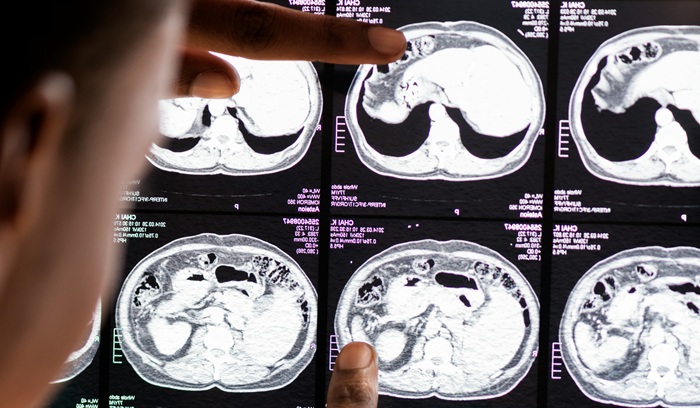
Scientists looking at x-rays

Spanish researchers achieve pancreatic tumor regression in breakthrough study

Researchers at the Spanish National Cancer Research Centre (CNIO) have achieved a major breakthrough in pancreatic cancer treatment, successfully inducing tumor regression in mice in preclinical studies. The new therapeutic strategy targets specific signaling proteins downstream of the KRAS mutation, effectively cutting off the tumor’s growth mechanism without toxic side effects. This innovative approach resulted in the complete disappearance of tumors in study models. With plans to fast-track human clinical trials, this discovery offers a powerful new hope for improving survival rates and changing the standard of care for patients worldwide.

Mouse

American scientists fully reverse Alzheimer’s in mice

Researchers from Case Western Reserve University and the Cleveland VA Medical Center have successfully reversed Alzheimer’s symptoms in mice using a compound called P7C3-A20. This experimental drug works by protecting brain cells from death and repairing the blood-brain barrier. In the study, treated mice regained their memory and ability to navigate mazes, performing as well as healthy mice. This neuroprotective approach offers a promising new direction for treating human neurodegenerative diseases with a daily pill.

Chemo patient

7 in 10 cancer patients in the U.S. now survive five-plus years after diagnosis

The United States has achieved a significant medical victory, with the five-year cancer survival rate rising to nearly 70 percent, up from just 49 percent in the mid-1970s. This historic high, confirmed by the American Cancer Society, reflects decades of progress in early detection and breakthrough treatments like immunotherapy. Survival rates for prostate cancer have surged to 98 percent, while leukemia survival has nearly doubled. This steady trend confirms that cancer is increasingly becoming a manageable condition, saving millions of lives nationwide.

Pills and syringe

Fentanyl overdose deaths in the U.S. are now falling sharply

The United States is seeing a dramatic decline in fentanyl overdose deaths, with new data showing a drop of approximately 33% in 2024 after the crisis peaked at 76,000 deaths in 2023. Preliminary findings suggest continued double-digit reductions in 2025. This positive trend is driven by successful diplomatic efforts to cut off precursor chemicals from China, disrupting the supply chain. Simultaneously, the widespread availability of naloxone and expanded access to addiction treatment are saving lives domestically.