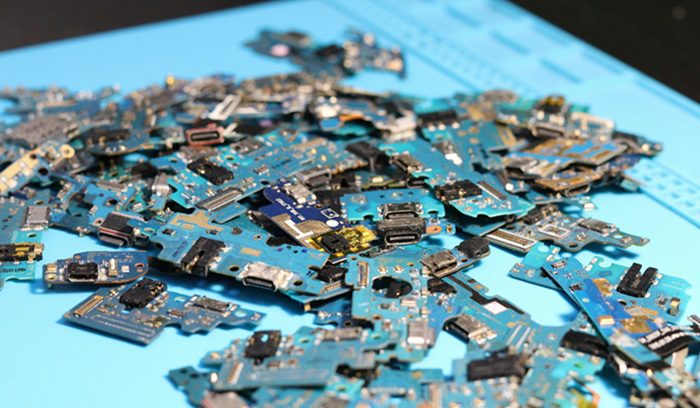
Malaysia has announced a comprehensive ban on the import of electronic waste, closing the door on a trade that turned parts of the country into dumping grounds for discarded circuit boards, cables, and toxic devices from wealthier nations. The decision marks one of the most decisive moves by a Southeast Asian government to refuse the role of global e-waste sink — and signals a broader shift in how developing nations are asserting environmental sovereignty.
At a glance
- E-waste ban: Malaysia has prohibited all imports of electronic waste, covering a wide range of discarded electronics including computers, televisions, and mobile phones.
- Environmental enforcement: The ban follows years of complaints from communities near illegal processing sites, where burning and acid-leaching of e-waste contaminated soil and waterways with lead, mercury, and cadmium.
- Global context: Malaysia became a major destination for foreign e-waste after China banned imports in 2018 C.E., with illegal shipments often mislabeled as second-hand goods or recyclable materials.
How Malaysia became a dumping ground
When China enacted its National Sword policy in 2018 C.E., it effectively shut out vast quantities of low-quality recyclables and e-waste from wealthy countries. Waste brokers quickly redirected shipments to Southeast Asia — and Malaysia absorbed an enormous share.
Ports like Penang and Klang began receiving containers filled with broken electronics, many illegally declared. Informal processing operations sprouted in industrial estates and rural areas, where workers — often without protective equipment — stripped metals from discarded devices using fires and corrosive chemicals. The World Health Organization has documented the severe health consequences of informal e-waste processing, including neurological damage, respiratory disease, and elevated cancer risk, especially in children.
Malaysian environmental groups and local residents had been raising alarms for years. River contamination, soil pollution, and the health impacts on nearby communities — many of them lower-income and less politically connected — became undeniable. The ban responds directly to that documented harm.
Why this matters beyond Malaysia
The world generates roughly 60 million metric tons of e-waste each year, and the United Nations Environment Programme estimates only about 20% is formally recycled. The rest is either landfilled, incinerated, or — increasingly — shipped to lower-income countries where environmental regulations are weaker or less enforced.
This dynamic has long been criticized as a form of environmental injustice: wealthy nations outsourcing the toxic consequences of their consumption to poorer ones. Malaysia’s ban doesn’t just protect its own communities. It puts pressure on exporting nations to invest in domestic recycling infrastructure and take responsibility for the full lifecycle of the electronics they produce and consume.
The Basel Convention, the international treaty governing hazardous waste trade, was amended in 2019 C.E. to restrict e-waste exports from wealthy to developing nations — but enforcement has been inconsistent. National bans like Malaysia’s add a crucial layer of protection that international agreements alone have failed to provide.
A region finding its voice
Malaysia’s move joins similar actions across the region. The Philippines, Indonesia, and Thailand have all intercepted and returned illegal e-waste shipments in recent years, with governments increasingly willing to make the politics public — sending containers back to their countries of origin with blunt diplomatic messages attached.
This collective assertiveness reflects a meaningful shift. For decades, the logic of global waste trade treated lower-income nations as passive recipients. The pushback reframes the issue: these are sovereign countries with communities that deserve clean air, clean water, and land that isn’t poisoned by another nation’s discarded smartphones.
Still, enforcement will be the real test. Illegal e-waste shipments are routinely mislabeled, and customs authorities face persistent challenges in identifying prohibited materials amid high container volumes. INTERPOL has flagged e-waste trafficking as a growing form of environmental crime requiring international coordination. A ban on paper is only as strong as the systems built to uphold it.
Read more
For more on this story, see: Good News for Humankind
For more from Good News for Humankind, see:
- Ghana protects a key stretch of its coastline as a marine reserve
- Alzheimer’s risk cut in half by drug in landmark prevention trial
- The Good News for Humankind archive on environmental justice
About this article
- 🤖 This article is AI-generated, based on a framework created by Peter Schulte.
- 🌍 It aims to be inspirational but clear-eyed, accurate, and evidence-based, and grounded in care for the Earth, peace and belonging for all, and human evolution.
- 💬 Leave your notes and suggestions in the comments below — I will do my best to review and implement where appropriate.
- ✉️ One verified piece of good news, one insight from Antihero Project, every weekday morning. Subscribe free.