Technology & innovation

This archive covers technology and innovation breakthroughs that improve lives, protect the environment, and expand human possibility. From medical devices to clean energy tools, the stories here focus on what’s working and who’s making it happen.

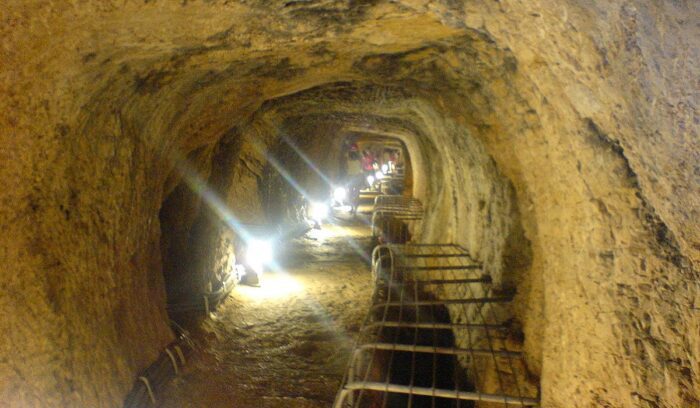
Tunnel of Eupalinos, for article on tunnel of Eupalinos

Greeks engineer a geometry-based tunnel through a mountain to carry water to Samos

It looks like your message got cut off — you mentioned wanting a WordPress excerpt, but the actual article content didn’t come through. All I can see is “Around 550 C.E. — no. Let me write the full article properly.”\n\nCould you paste the full article? Once I have it, I’ll write you a tight 40-60 word excerpt following the structure and tone you outlined.

Greek ruins, for article on ancient Greek crane

Ancient Greeks develop lifting machines for stone construction

I don’t see the article content in your message — it looks like the draft got cut off after “Around 700–650 C.E. — wait, let me write this properly. Let me now write the full article:”\n\nCould you paste the full article text? Once I have it, I’ll write you a 40–60 word excerpt following all the guidelines: warm and human tone, vivid historical opening, one concrete detail, and a grounded closing reflection — with every claim clearly supported by the source.

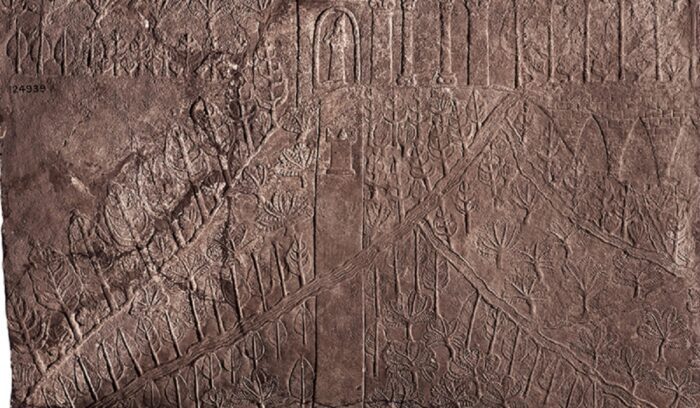
Assyrian relief of aqueduct, for article on Assyrian canal systems

Assyrian engineers build the world’s first sophisticated long-distance canal systems

Assyrian engineers in the 9th century B.C.E. pulled off something no civilization had managed at that scale: moving water reliably across long distances, even tunneling straight through hills to reach it. Their canals freed cities from the tyranny of geography, and the pattern they set would echo through Persian, Greek, and Roman hands for centuries.

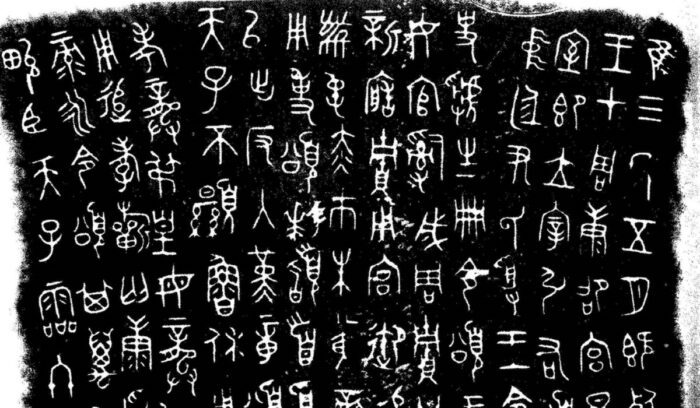
Song ding inscription, for article on chinese bronze inscriptions

Western Zhou bronze inscriptions become the defining written record of ancient China

Chinese bronze inscriptions turned ritual vessels into a three-thousand-year archive, especially during the early Western Zhou dynasty when texts swelled from brief Shang-era clan marks into passages of a hundred characters or more. Scribes brushed characters onto clay molds before pouring bronze, preserving royal grants, military campaigns, and lineages long after bamboo books decayed into nothing.

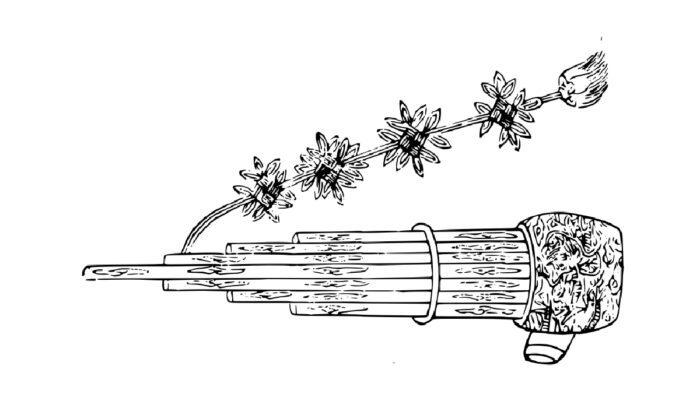
Drawing of sheng instrument, for article on sheng instrument ancient China

Ancient Chinese musicians develop the sheng, an early polyphonic reed instrument

The sheng, a mouth-blown Chinese instrument of vertical pipes and free reeds, was already being played more than 3,000 years ago — with depictions dating to around 1100 B.C.E. Its design let a single musician sound several notes at once, a built-in polyphony rare in the ancient world. The free-reed principle it pioneered later shaped the harmonica and accordion.