Technology & innovation

This archive covers technology and innovation breakthroughs that improve lives, protect the environment, and expand human possibility. From medical devices to clean energy tools, the stories here focus on what’s working and who’s making it happen.

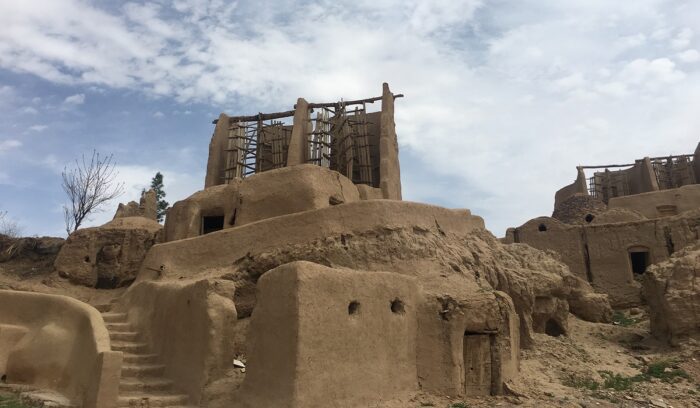
Persian panemones, for article on panemone windmill

Persia’s panemone windmill brings wind power to the ancient world

Persian windmills first appeared in the Sistan region — today’s Iran and Afghanistan — where 9th-century geographers documented vertical-shaft machines with fabric sails turning inside slotted walls. They ground grain and lifted water in a place where summer winds blow for 120 days straight. It’s the earliest confirmed chapter in humanity’s long practice of putting wind to work.

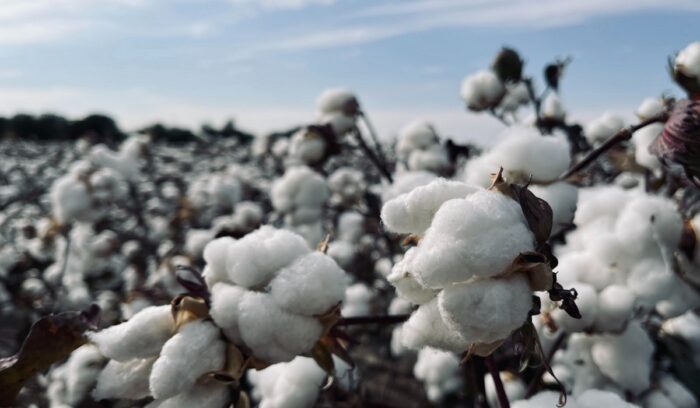
Cotton growing in field, for article on single-roller cotton gin

Single-roller cotton gin emerges in India, documented at the Ajanta Caves

The cotton gin traces back to 5th-century India, where paintings in the Ajanta Caves show the earliest known depiction of a single roller pressed against stone to separate fiber from seed. Contemporary records later noted one man and one woman could clean 28 pounds of cotton a day using an Indian roller gin — a quiet foundation for a technology that would travel across centuries and continents.

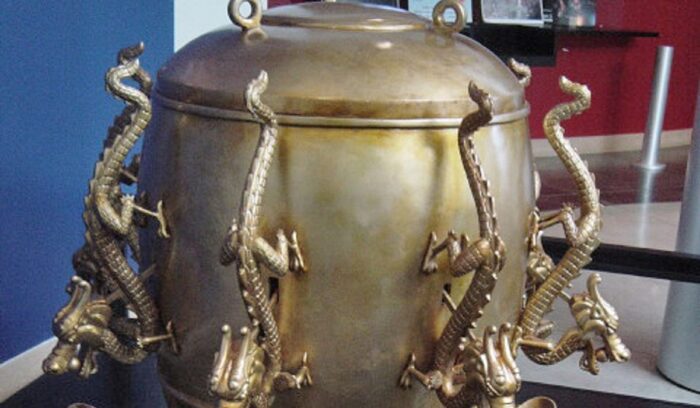
A replica of an ancient Chinese Seismograph from Eastern Han Dynasty (25-220 CE)., for article on Zhang Heng's seismoscope

Zhang Heng builds the world’s first seismoscope

Zhang Heng’s seismoscope, unveiled at the Han imperial court in Luoyang in 132 C.E., was a bronze urn that could sense earthquakes hundreds of miles away. Six years later, it detected a quake in Gansu province before any messenger arrived. It stands as the earliest known attempt to mechanically sense what human senses cannot.

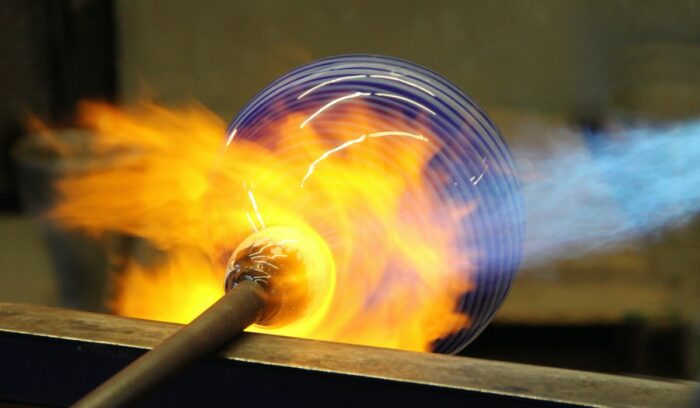
Glassblowing, for article on glassblowing invention

Glassblowing is invented along the ancient Levantine coast

Glassblowing emerged along the eastern Mediterranean coast sometime between 50 and 20 B.C.E., when an unknown artisan puffed air through a pipe into molten glass and shaped a hollow bubble with breath alone. The technique spread quickly through the Roman world, turning a luxury material into everyday ware and remaining the dominant way to form glass for nearly 1,900 years.

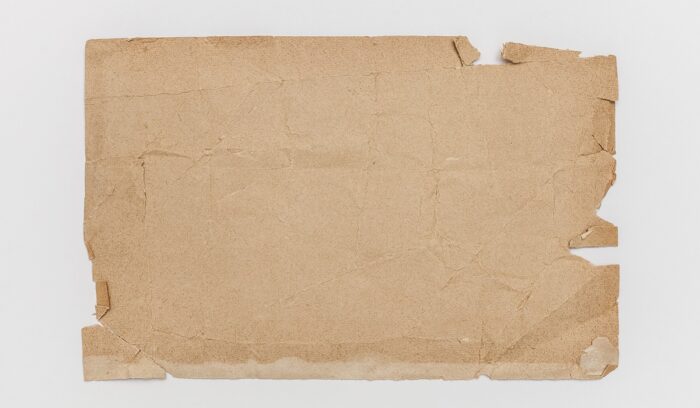
Brown paper, for article on early papermaking China

Early paper material emerges in China, reshaping how humanity records knowledge

Paper was born in China around 200 B.C.E., when an unknown craftsperson pressed plant fibers into a thin sheet — centuries before the court official Cai Lun standardized the process around 105 C.E. From those humble fragments came a material that would carry scripture, science, and literacy across continents, quietly shaping how human knowledge travels.

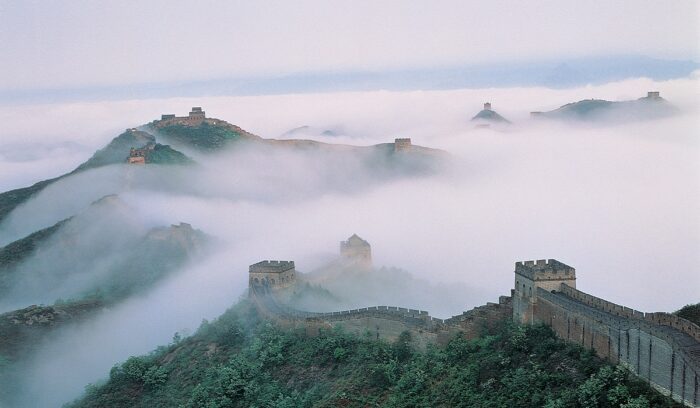
Great Wall of China in fog, for article on great wall of china construction

Emperor Qin Shi Huang connects China’s fragmented northern walls to form the Great Wall

The Great Wall of China began around 221 B.C.E., when Emperor Qin Shi Huang ordered scattered northern fortifications joined into one continuous barrier. General Meng Tian oversaw hundreds of thousands of soldiers, convicts, and conscripted farmers — many of whom died on the job. What they started took two thousand years and countless anonymous hands to finish.