AI-supported mammography screening saves time & detects more cancer
A new study from Lund University in Sweden has found that using AI resulted in the detection of 20% more cancers compared with standard screening, without affecting false positives.
This archive covers technology and innovation breakthroughs that improve lives, protect the environment, and expand human possibility. From medical devices to clean energy tools, the stories here focus on what’s working and who’s making it happen.
A new study from Lund University in Sweden has found that using AI resulted in the detection of 20% more cancers compared with standard screening, without affecting false positives.
A single wind turbine off China’s Fujian coast can now power roughly 36,000 homes — and it’s the largest ever connected to a grid. The MySE 16-260 stretches 260 meters across, wider than the Eiffel Tower is tall, with each rotation generating up to 34.2 kilowatt-hours of clean electricity. It’s built to withstand winds of 287 km/h, which matters in a stretch of sea where near-gale conditions blow more than 200 days a year. An 18-megawatt machine is already in the works, hinting at how fast this ceiling keeps rising. Each leap in turbine size makes offshore wind cheaper and more credible as a backbone of the clean energy transition worldwide.
The developers from the Chinese University of Hong Kong believe the new bacterial-cellulose-based material can offer a sustainable, easily available and non-toxic solution to plastics in food packaging.
The trial was so successful the U.S.’s National Cancer Institute (NCI) ordered it be halted early so that the FDA could expedite approval of the therapy to treat stage 3 and 4 Hodgkin Lymphoma.
Space-based solar power just crossed from theory into reality: a Caltech team has, for the first time, beamed energy from orbit down to a receiver on Earth. The signal arrived at a rooftop in Pasadena exactly when, where, and at the frequency engineers predicted — proof that the precision needed for a future full-scale array is achievable. The demonstrator weighed just 50 kilograms and used flexible, lightweight arrays never before flown for this purpose. The eventual vision is enormous and far from cheap, but the appeal is simple: panels in space see no night and no clouds. If this technology matures, clean power could one day reach communities far beyond the grid’s reach.
The finding has the potential to lead to new treatments for not only multiple sclerosis but other autoimmune diseases like type 1 diabetes.
The Serum Institute of India and Path successfully tested an effective and affordable vaccine for meningitis, a disease that claims the lives of an estimated 250,000 people each year.
PFAS are used in nonstick cookware, stain-resistant fabrics, and firefighting foams, and have been linked with higher cholesterol, lower fertility, developmental delays in children, and a greater risk of cancer.
Hadassah-University Medical Center in Jerusalem’s Ein Kerem has announced an “unprecedented achievement” in the treatment of multiple myeloma cancer – the second-most common hematological disease.
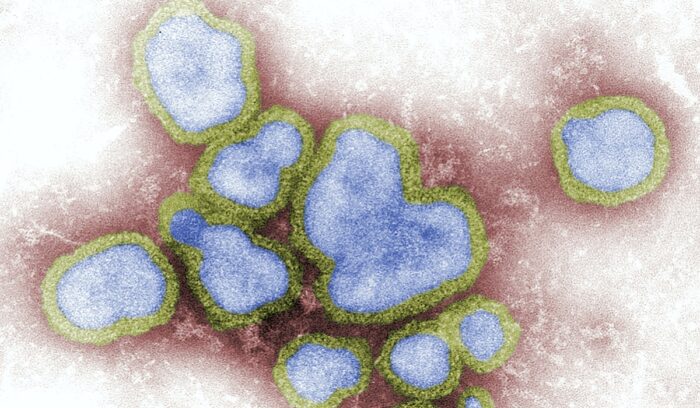
“A universal influenza vaccine would be a major public health achievement and could eliminate the need for both annual development of seasonal influenza vaccines,” said Dr. Hugh Auchincloss, acting NIAID Director.