Public health & disease

From disease eradication efforts to advances in vaccination and maternal health, this archive tracks real progress in public health. Stories here focus on what’s working — policies, interventions, and research that are improving and extending lives around the world.

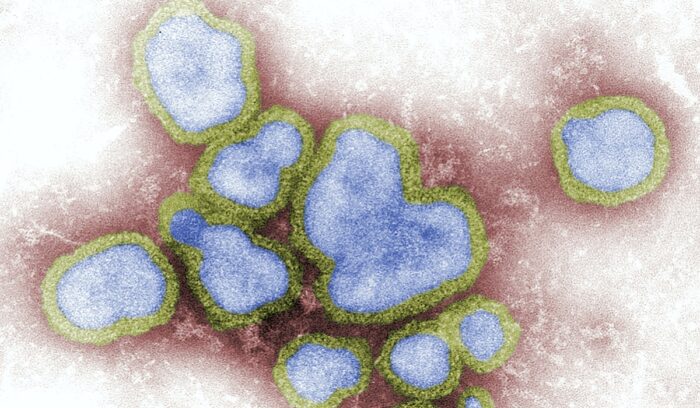
Visualisation of the Covid-19 virus, for article on COVID-19 global health emergency

World Health Organization ends global health emergency declaration for COVID-19

The WHO formally ended its COVID-19 global health emergency on May 5, 2023, more than three years after the designation first triggered a worldwide response. Director-General Tedros Adhanom Ghebreyesus pointed to over a year of declining transmission and deaths as the reason most countries can finally return to pre-pandemic rhythms. He didn’t gloss over the loss — nearly 7 million deaths were officially reported, with the true toll likely closer to 20 million — but he credited vaccines, scientific cooperation, and health infrastructure built during the crisis for bending the curve. The closing of this chapter offers a rare pause to honor what collective action can achieve, and a reminder to protect the systems we’ll need before the next crisis arrives.

Japanese flag, for article on Japan abortion pill

Japan approves first abortion pill

Japan’s first abortion pill won approval in 2023, and clinical trials there showed 93% of participants had a complete abortion within 24 hours using the two-pill combination. Until that vote, Japan had been one of the last developed nations offering only surgical options, including a method the World Health Organization calls obsolete. The ministry took the unusual step of opening a public comment period before deciding, drawing strong responses from doctors and advocates who had pushed for years. The approval is historic, though spousal consent requirements still shape who can actually access care. As reproductive rights contract in some countries and expand in others, Japan’s shift is a reminder that progress is uneven, hard-won, and worth celebrating wherever it lands.

Ghanaian child carrying load on head, for article on R21 malaria vaccine

Ghana first country to approve ‘world-changer’ malaria vaccine

Ghana’s approval of the R21 malaria vaccine — the first anywhere in the world — clears the way for children as young as five months to be protected against a disease that kills roughly 620,000 people every year, mostly young kids in Africa. Developed at Oxford’s Jenner Institute, R21 showed up to 80% effectiveness in early trials and is expected to cost just a couple of dollars per dose. The Serum Institute of India is preparing to produce up to 200 million doses a year, with a factory rising in Accra so supply stays close to home. After a century of scientific near-misses, an African regulator stepped forward and said: this one is ready.

Narcan nasal spray, for article on OTC naloxone

U.S. FDA approves over-the-counter sale of overdose reversal drug Narcan

Over-the-counter Narcan is now a reality: the FDA cleared the 4 mg naloxone nasal spray for sale at pharmacies, convenience stores, and other retailers without a prescription — the first opioid overdose reversal drug ever to earn that status in the U.S. The medication works within minutes to restore breathing, and it’s safe enough that any bystander can use it, no medical training required. For years, harm reduction workers quietly distributed naloxone in their communities, knowing how much it mattered; this decision finally meets them where they’ve been standing. Putting a life-saving tool on the same shelf as aspirin won’t end the overdose crisis on its own, but it’s a powerful reminder that expanding access — trusting ordinary people to help each other — is how public health movements actually save lives.

Patient with IV, for article on primary bone cancer drug

Breakthrough drug works against all the main types of primary bone cancer

Bone cancer research has taken a meaningful step forward, with scientists identifying a single drug candidate that shows activity across all the major types of primary bone cancer — a group of diseases that have long resisted a unified treatment approach. Because these cancers disproportionately affect children and young people, the stakes are especially high. The compound appears to target something the different subtypes share biologically, which could open new research directions well beyond this one discovery. For pediatric cancer medicine, that kind of insight builds the foundation treatments are eventually made from.\n\nWord count: 88