Climate crisis

The climate crisis demands action — and action is happening. This archive tracks real progress: policy wins, clean-energy milestones, community resilience, and scientific advances that show meaningful change is possible. Stories here come from every corner of the world.

Smoky industrial emissions at sunset symbolizing need for CO2 to ethanol conversion technology

Oak Ridge scientists accidentally crack CO2 to ethanol conversion

CO2-to-ethanol conversion arrived by accident in 2016, when researchers at Oak Ridge National Laboratory in Tennessee applied voltage to a copper-and-carbon nano-spike catalyst and watched ethanol emerge as the dominant product. About 63% of the output was ethanol — unusually clean for a single-step reaction. A quiet reminder that science often stumbles into its better answers.
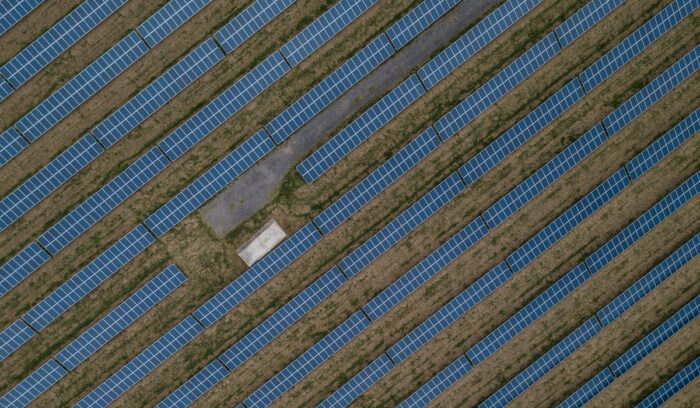

A top view of solar farm, for article on renewable energy capacity

Renewables top all other new power sources for the first time

Renewable energy quietly crossed a threshold in 2015, when solar, wind, and other renewables made up roughly two-thirds of all new power capacity added worldwide, according to an IEA report released the following year. China led the wave, installing more solar and wind than any other country. It was the moment the energy transition stopped feeling hypothetical.

Engine, for article on combustion engine ban

Germany’s Bundesrat calls for E.U. ban on combustion engines by 2030

In autumn 2016, Germany’s Bundesrat did something no national legislative body had done before: it urged the EU to stop registering new gasoline and diesel cars after 2030. The vote was non-binding, but coming from the home of Volkswagen and BMW, it moved a once-fringe idea into serious policy — language the EU would echo in binding law years later.

Cochin International Airport, for article on solar-powered airport

India’s Cochin International becomes the world’s first solar-powered airport

Solar power took over a major airport in 2015, when Cochin International in Kerala, India became the first in the world to run entirely on the sun. More than 46,000 panels spread across 45 acres of former cargo land now meet all the airport’s needs, with surplus flowing back to the state grid — an early proof that big infrastructure could go fully renewable.