
France to become the first country to label electronics with repairability tags
France is reported to begin rolling out ‘repairability tags’ on devices from January 2021, with some other European countries following suit after that.
This archive tracks real progress in circular economy design and zero-waste systems — from industrial material loops and packaging innovation to municipal composting and repair-culture movements. These stories show how waste is being redesigned out of the economy, not just managed after the fact.
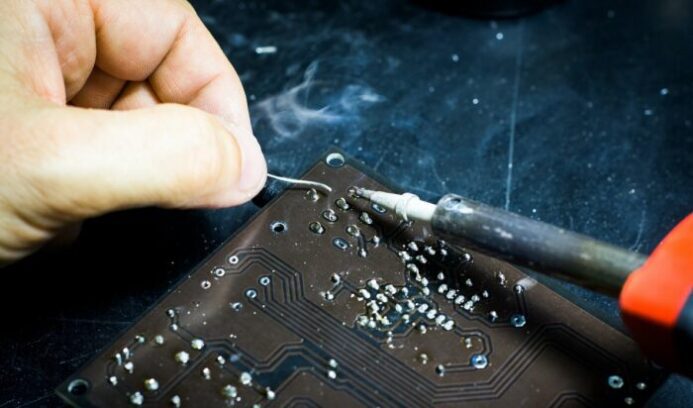
France is reported to begin rolling out ‘repairability tags’ on devices from January 2021, with some other European countries following suit after that.

According to a new report, the U.S. secondhand clothing market will more than triple in the next 10 years – from $28b in 2019 to $80b in 2029. In 2019, secondhand clothing expanded 21 times faster than conventional apparel retail did.

The Earthshot Prize is centered around five “Earthshots,” simple but ambitious goals for our planet: 1) Protect and restore nature, 2) Clean our air, 3) Revive our oceans, 4) Build a waste-free world, and 5) Fix our climate.

ColdHubs installs 100 percent solar-powered walk-in cold storage rooms at Nigerian markets to help farmers and vendors cut down on spoilage and boost profits. So far, ColdHubs serves 3,517 users and their 24 Hubs have saved over 20,000 tons of food from spoilage.

The new electrochemical process converts carbon dioxide emitted from industrial processes, such as fossil fuel power plants or alcohol fermentation plants, into valuable commodities at reasonable cost.

New Levi’s jeans will be partially made from old, recycled jeans. They’re also fully circular: When they eventually wear out, they can be recycled again into new material for new jeans.

Residents are now required to compost any unfinished food—including inedible scraps like peels, egg shells, and pits—in their yard or through a professional compost facility.

The plans, devised by renewable chemicals company Avantium, have already won the support of beer-maker Carlsberg, which hopes to sell its pilsner in a cardboard bottle lined with an inner layer of plant plastic.

The phone has a modular design which allows it to be durable, easily repairable, and upgradeable and is made with responsibly sourced and conflict-free tin and tungsten and recycled copper and plastics.

The fast-food chain expects to remove over 3,000 metric tons of plastic from the business from 2021 by abolishing plastic happy meal toys.