
Apple to start backing self-service technology repair
The program, Self Service Repair, will include tools, manuals, and Apple parts for users to fix their own products when something goes awry. It is set to launch in 2022.
This archive tracks real progress in circular economy design and zero-waste systems — from industrial material loops and packaging innovation to municipal composting and repair-culture movements. These stories show how waste is being redesigned out of the economy, not just managed after the fact.

The program, Self Service Repair, will include tools, manuals, and Apple parts for users to fix their own products when something goes awry. It is set to launch in 2022.

The move is being described as a “first of its kind victory,” as Microsoft becomes the only major company to bow to the whims of a shareholder resolution regarding the “right-to-repair.”

France’s environment ministry expects that the measure will prevent more than one billion useless plastic packaging items per year.

Michelin says “tweels” will last three times longer than normal tires, even when nothing goes wrong for the life of the tire, leading to a major reduction in waste.

The ban goes into effect in July 2020 and includes ear buds, plastic flags, candy sticks, ice-cream sticks, plates, cups, glasses, cutlery, and much more.

Piñatex turns pineapple leaves into vegan, petroleum-free leather products. Now, Piñatex will have access to waste leaves from Dole’s Philippines farm, one of the largest pineapple plantations in the world.

For years now, Tesla has been working with third-party recyclers to recover materials from their end-of-life battery packs. But the automaker has also been working on its own “unique battery recycling system.“

The new measure builds on the country’s 2019 decision to phase-out plastic bags and includes everything from disposable cutlery to ear buds and fruit labels, The Guardian reported.
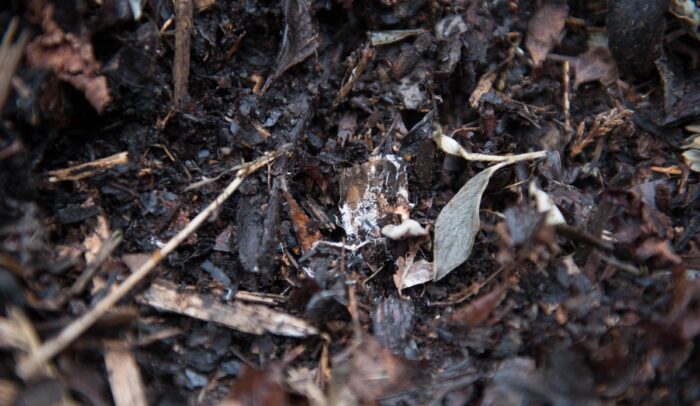
The bill will legalize what’s known as natural organic reduction, or what some refer to as human composting. The law goes into effect July 1, 2022.

Unilever has partnered with LanzaTech and India Glycols to produce a laundry soap made from industrial carbon emissions—instead of from fossil-fuels.