Sub-Saharan Africa

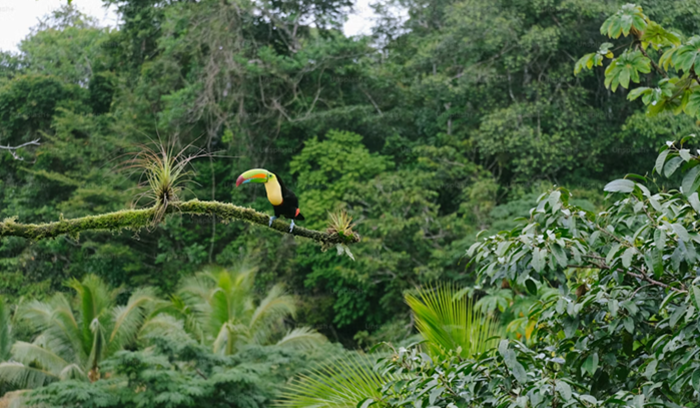
Bird in Ghanaian forest

Ghana repeals legislation that opened forest reserves to mining

In a historic win for conservation, the Parliament of Ghana has repealed L.I. 2462, effectively banning mining activities in the country’s protected forest reserves. This decision follows months of intense advocacy from a coalition of labor unions, religious groups, and environmental organizations. The repeal safeguards critical watersheds that provide drinking water to millions and protects vital habitats for endangered species. This legislative reversal marks a decisive shift toward sustainable development and restores the legal sanctity of Ghana’s natural heritage.

Mogadishu, Somalia

Somalis vote in the first one-person, one-vote local election since 1969

In a historic stride toward democracy, citizens in Mogadishu have cast direct ballots in local elections for the first time in over five decades. This one-person-one-vote process marks a major departure from the traditional clan-based system, restoring the fundamental right of individuals to choose their representatives. The peaceful turnout, particularly among women and youth, demonstrates a powerful resilience and a demand for accountable governance. This milestone in the capital is seen as a vital precursor to future national elections, signaling a new era of stability and civic engagement for Somalia.

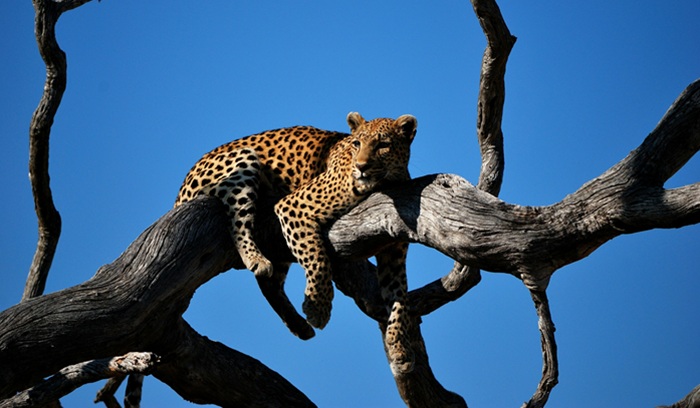
Leopard in a tree

West Coast region of South Africa sees leopard return after 170 years

In a stunning conservation milestone, a Cape leopard has been spotted on South Africa’s West Coast for the first time in over 170 years. The historic sighting, confirmed by camera trap footage, signals a major recovery of the local ecosystem. The return of this apex predator suggests that natural wildlife corridors are reopening and prey populations are rebounding. This event is a powerful testament to the resilience of nature and the success of long-term habitat protection efforts in the region.

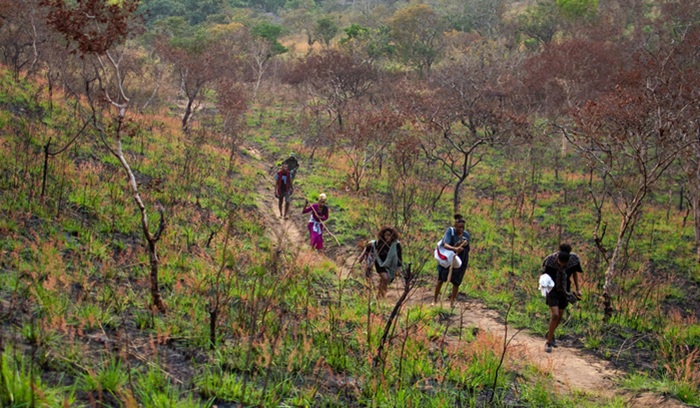
People walking through young forest

Congo Basin nations launch historic community payments for forest care initiative

A groundbreaking initiative has launched across the Congo Basin to pay local communities directly for protecting their forests. Supported by the Central African Forest Initiative (CAFI), the program uses mobile technology to transfer funds to farmers who engage in sustainable practices like agroforestry and reforestation. With over $100 million in new funding, this effort aims to scale up conservation across the Democratic Republic of Congo, Gabon, and the Republic of Congo. This model empowers local people as the primary guardians of the world’s second-largest rainforest.

Uruguay flag

Uruguay achieves near 100% renewable energy grid

Uruguay has achieved a major energy milestone, generating over 97% of its electricity from renewable sources. This success is built on a strategic mix of wind, solar, hydropower, and biomass, ensuring a reliable and clean grid without reliance on fossil fuel imports. This pragmatic economic policy has stabilized energy costs and created thousands of jobs. Uruguay’s rapid transition provides a powerful, scalable blueprint for other nations seeking energy independence and environmental sustainability.

Syringe extracting from a vaccine vial

Malaria vaccine price cut set to protect 7 million more children by 2030

A landmark agreement between Gavi and UNICEF has secured a major price reduction for the R21 malaria vaccine, lowering the cost from $3.90 to under $3 per dose. This 25% price cut is expected to save $90 million, allowing for the purchase of 30 million additional doses. This financial breakthrough accelerates the goal of vaccinating 50 million children across Africa by 2030, providing a critical new tool to save lives and reduce the burden of this deadly disease.

Pangolin

Nigeria passes major new wildlife trafficking law

A groundbreaking legal reform in Nigeria has created a strong deterrent against illegal wildlife trafficking. The new law increases penalties, targeting the pervasive trade where shipments of pangolin scales alone have reached staggering weights, such as 51 tons in 2019. This decisive action strengthens national enforcement and the capacity of rangers. It provides crucial protection for endangered species like pangolins and forest elephants, reinforcing the commitment to biodiversity in Nigeria and abroad.

Nine nations commit to recognizing 395 million acres of Indigenous land by 2030

A landmark international coalition has committed to formally recognizing 395 million acres of Indigenous and traditional community lands worldwide. The nine countries making this pledge are Brazil, Colombia, Costa Rica, Ecuador, Gabon, Guatemala, the Republic of Congo, Peru, and Venezuela. This massive commitment to land tenure security empowers millions of Indigenous and local people to be the primary stewards of their ancestral territories, ensuring the permanent protection of globally vital carbon sinks and biodiversity hotspots.

Porto-Novo, Benin

Benin commits to making renewables its main source of power by 2030

Benin is launching a strategic national effort to make renewable energy its main source of power by 2030. The National Renewable Energy Development Policy aims to increase renewables to 30% of the energy mix. This push includes a target to install at least $100$ megawatts (MW) of solar capacity. This shift is accelerating energy independence, reducing reliance on costly imports, and empowering local economies across the nation.

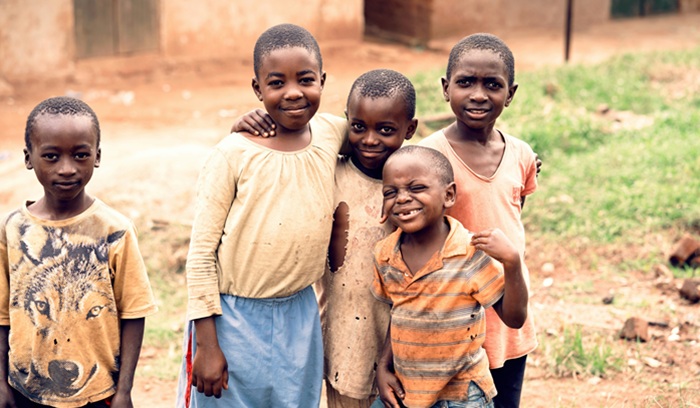
African children

Niger becomes first African nation declared free from river blindness

This major public health triumph has eradicated onchocerciasis, or river blindness, in Niger. The nation is the first in Africa to achieve this World Health Organization-verified status. This victory eliminates a debilitating parasitic disease that had historically pushed populations away from fertile river valleys. The successful, multi-decade effort restores human dignity, unlocks agricultural land for economic development, and provides a powerful blueprint for eliminating other neglected tropical diseases across the continent.