
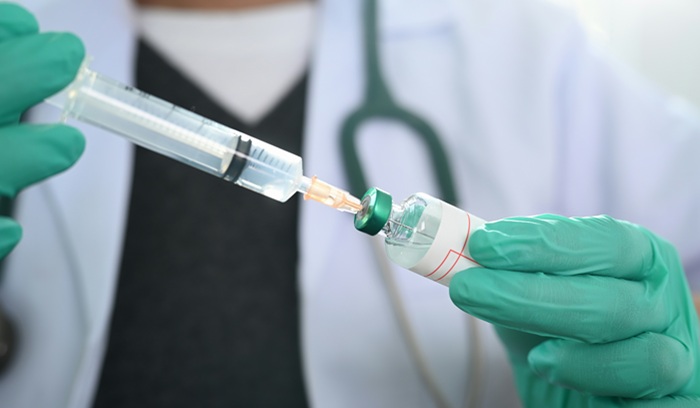
A major public health breakthrough has been achieved in the fight against malaria. Gavi, the Vaccine Alliance, and UNICEF have signed a landmark agreement that drastically cuts the price of the R21/Matrix-M malaria vaccine. This deal reduces the cost of the vaccine from approximately $3.90 to under $3 per dose, representing a decrease of roughly 25%. This is a decisive victory for global health equity and child survival.
The price reduction is expected to save an estimated $90 million in health budgets. This financial relief will allow Gavi and African governments to procure over 30 million additional doses.
Scaling Up Protection for Millions of Children
The core positive impact of this deal is the massive expansion of vaccine coverage. The lower price point enables Gavi to move closer to its goal of vaccinating 50 million children by 2030. This accelerated rollout will protect millions of vulnerable infants across sub-Saharan Africa, where the disease burden is highest.
The agreement ensures that 24 African countries can now integrate the vaccine into their routine immunization programs. This systemic integration is vital for sustainability. It guarantees that every child has access to protection as part of their standard healthcare. The successful negotiation demonstrates the power of global partnerships to deliver tangible results for those most in need.
Innovative Financing Drives Success
This achievement was made possible by an innovative financing mechanism. The International Finance Facility for Immunisation (IFFIm) allowed Gavi to make an advance payment, securing the lower price. This smart use of financial tools transformed long-term donor pledges into immediate capital. It proves that creative funding models can directly save lives.
This financial agility allowed the organizations to seize a market-shaping opportunity. By guaranteeing volume, they incentivized the manufacturer, the Serum Institute of India, to lower costs. This partnership model is a blueprint for future public health initiatives. You can read more about the financial mechanics of this deal from Gavi, the Vaccine Alliance.
A Crucial Tool in the Malaria Toolkit
The affordable vaccine complements existing malaria control measures. While bed nets and seasonal chemoprevention remain essential, the vaccine adds a powerful new layer of defense. Clinical trials have shown the R21 vaccine to be highly effective, reducing malaria cases by over $75\%$ in areas with seasonal transmission.
This multi-pronged strategy is the most effective way to drive down mortality rates. The vaccine targets the parasite at the earliest stage of infection, preventing severe disease. This biological protection, combined with traditional vector control, offers the best chance of defeating the disease. The World Health Organization (WHO) provides detailed guidance on the role of vaccines in malaria prevention.
A Future Free from Fear
The price cut is more than just an economic win; it is a humanitarian triumph. It signifies a future where parents in endemic regions no longer have to fear that a mosquito bite could be a death sentence for their child. By removing the cost barrier, the global community has affirmed the right to health for millions of children.
This progress builds momentum for the broader goal of malaria eradication. It demonstrates that when science, policy, and finance align, we can overcome even the most persistent health challenges. The Serum Institute of India has committed to scaling production to meet this new demand. Furthermore, UNICEF continues to lead the logistical effort to deliver these vaccines to the hardest-to-reach communities.
Resources
- Gavi, the Vaccine Alliance on Vaccine Pricing Deal
- World Health Organization (WHO) on Malaria Vaccine Guidance
- UNICEF on Vaccine Delivery and Logistics
- Serum Institute of India on Manufacturing Commitment
More Good News
-

Alzheimer’s risk cut in half by drug in landmark prevention trial
A clinical trial from Washington University in St. Louis and published in The Lancet Neurology found that long-term high-dose treatment with the antibody drug gantenerumab reduced Alzheimer’s risk by roughly 50% in people with dominantly inherited Alzheimer’s disease — a rare genetic form caused by mutations that make the disease near-certain. The results are statistically uncertain and apply to less than 1% of all Alzheimer’s cases, but they provide the first evidence that removing amyloid plaques before symptoms appear can meaningfully change the course of the disease.
-

Marie-Louise Eta becomes the first female head coach in men’s top-flight European football
Marie-Louise Eta, 34, was appointed head coach of Bundesliga side Union Berlin on April 12, 2026, becoming the first woman to hold the top coaching position at a men’s club in any of Europe’s Big Five leagues — the Premier League, La Liga, Serie A, Ligue 1, and Bundesliga. A Champions League winner as a player with Turbine Potsdam in 2010, Eta had already broken barriers as the first female assistant coach in the Bundesliga in 2023. She takes charge for the final five matches of the season as Union Berlin fights to secure top-flight survival, after which she was…
-

Renewables now make up at least 49% of global power capacity
Renewable energy reached 49.4% of total global installed power capacity by end of 2025, up from 46.3% in 2024, according to the International Renewable Energy Agency’s Renewable Capacity Statistics 2026. The world added 692 gigawatts of new renewable capacity last year — the largest annual addition ever recorded — with solar alone contributing 511 gigawatts. Africa recorded its highest renewable expansion on record, and the Middle East its fastest-ever growth. IRENA Director-General Francesco La Camera noted that countries investing in renewables are absorbing the current Middle East energy crisis with measurably less economic damage than fossil-fuel-dependent economies.
-

Global suicide rate has fallen by 40% since 1995
A landmark study published in The Lancet Public Health by researchers at the Institute for Health Metrics and Evaluation at the University of Washington found that the global age-standardized suicide mortality rate fell nearly 40% between 1990 and 2021 — from 15 deaths per 100,000 people to nine. The decline was driven by measurable interventions including restrictions on toxic pesticides, expanded mental health services, and national prevention strategies. Female suicide rates fell more than 50% globally over the period. Roughly 740,000 people still die by suicide each year, and rates have risen in parts of Latin America and North America,…
-
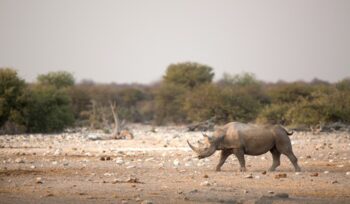
Rhinos are reintroduced back into Uganda’s wild after 43 years
The Uganda Wildlife Authority havetranslocated the first southern white rhinos to Kidepo Valley National Park — 43 years after the last rhino in the park was killed by poachers in 1983. The animals came from Ziwa Rhino Sanctuary, a breeding program established in 2005 with just six individuals that has grown Uganda’s total rhino population to 61. Four more rhinos will follow by May, with a separate group already relocated to Ajai Wildlife Reserve in January 2026. The reintroduction restores a key grazing species to one of Africa’s most remote savannah ecosystems and makes Kidepo the only national park in…