Europe

This archive covers progress stories and milestones from across Europe, spanning health, climate policy, social equity, and scientific research. From small-nation experiments to E.U.-wide initiatives, these reports highlight what is working and why.

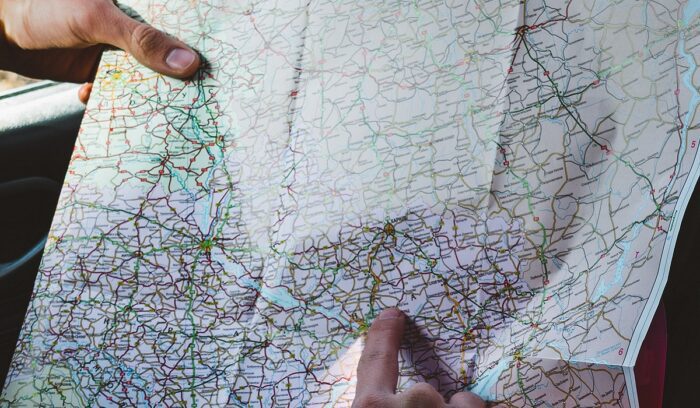
Map of the original areas inhabited (during the Bronze Age) by the peoples now known as Scandinavians, for article on early human settlement Norway

Hunter-gatherers first settle Norway as the great ice sheets retreat

Norway’s first settlers arrived around 10,000 B.C.E., following the retreating ice sheets up a coastline kept unusually mild by the Gulf Stream. They hunted reindeer, fished the shore, and adapted as the land itself transformed — the oldest known Norwegian skeleton, found off Sogne, dates to roughly 6600 B.C.E. Their coastal foothold began one of northern Europe’s longest unbroken human stories.


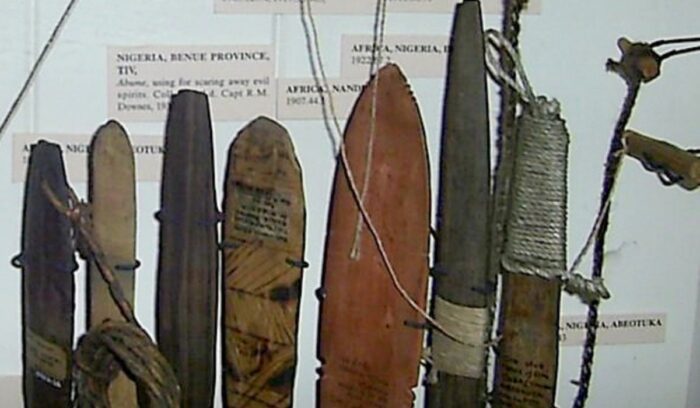
Bull roarers, for article on bullroarer invention

Humans invent the bullroarer, perhaps in modern-day Ukraine

The bullroarer, a thin slat of wood spun on a cord, may be the oldest known human-made sound instrument, with finds in present-day Ukraine dating to roughly 18,000 B.C.E. Cultures separated by oceans — Aboriginal Australian, Māori, Dogon, Ancient Greek, Amazonian — independently arrived at the same device, a quiet clue that certain human impulses run remarkably deep.