Europe

This archive covers progress stories and milestones from across Europe, spanning health, climate policy, social equity, and scientific research. From small-nation experiments to E.U.-wide initiatives, these reports highlight what is working and why.

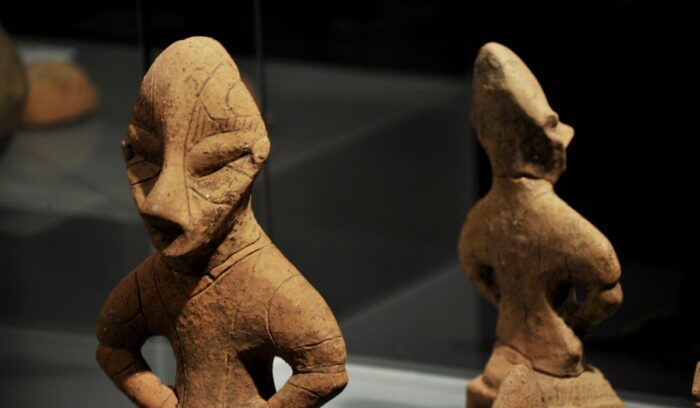
Vinča culture figurine, for article on Vinča symbols

Vinča culture leaves behind mysterious symbols that may predate writing

Vinča symbols, etched into pottery and figurines across Southeastern Europe some 6,000 years ago, remain one of prehistory’s most intriguing puzzles. Archaeologists have catalogued more than 5,400 signs from over 150 sites, yet no one has deciphered them. Whatever drove these Neolithic farmers to mark their world, it wasn’t bureaucracy — it was something more human.


Baby and mother holding hands, for article on cesarean birth survival

Jacob Nufer performs the first recorded cesarean birth with both mother and baby surviving

Cesarean birth survival entered medical memory around 1500 C.E., when a Swiss pig gelder named Jacob Nufer reportedly opened his wife’s abdomen after days of failed labor — and both lived. The story, written down 82 years later by a surgeon with an agenda, may be embellished, but it gave European medicine something powerful: proof that survival was even imaginable.

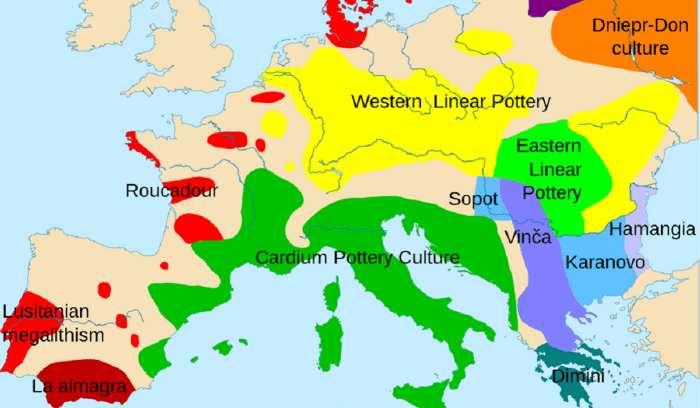
Linear Pottery culture map, for article on linear pottery culture

Linear Pottery culture spreads agriculture across central Europe

The Linear Pottery culture began spreading from the middle Danube around 5500 B.C.E., carrying farming, cattle, and distinctive incised pottery across central Europe at roughly four kilometers a year. Within centuries, their longhouses and grain fields stretched from the Paris Basin to the Dnieper. It’s one of the foundational chapters in how agriculture took root across the continent.

Woman carrying basket, for article on basket weaving southern Europe

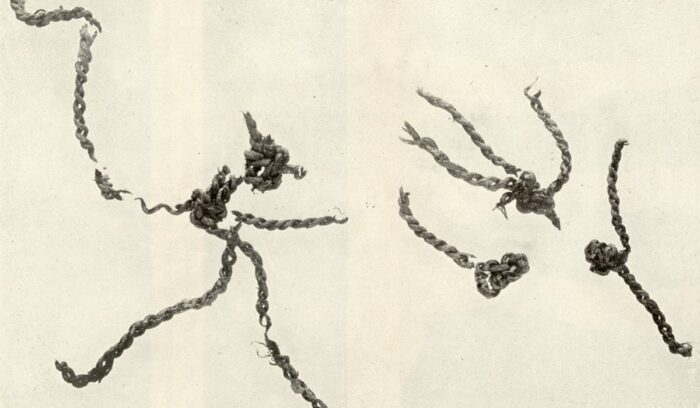
Early basket weaving in southern Europe dates back at least 9,500 years

Baskets, sandals, cords, and wooden tools from Cueva de los Murciélagos in southern Spain have been dated to roughly 9,500 years ago — the earliest confirmed basketry in southern Europe. The cave’s stable, sheltered conditions preserved what usually vanishes. It’s a rare glimpse of the portable, woven technologies that quietly shaped how early humans moved and settled.