
The Bosporan Kingdom thrives in modern-day Russia and Ukraine
The Bosporan Kingdom was an ancient Greco-Scythian state located in eastern Crimea and the Taman Peninsula on the shores of the Cimmerian Bosporus.
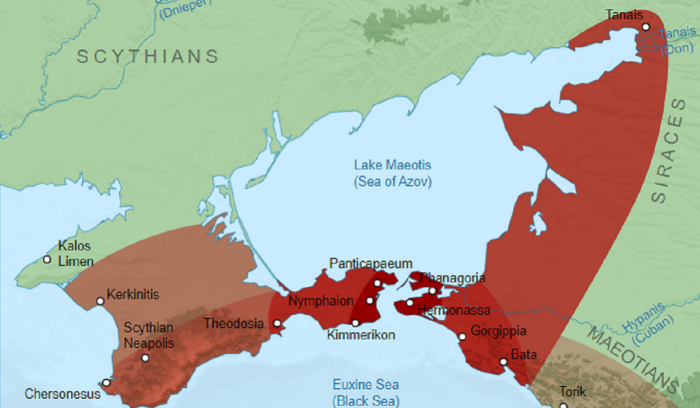
The Bosporan Kingdom was an ancient Greco-Scythian state located in eastern Crimea and the Taman Peninsula on the shores of the Cimmerian Bosporus.
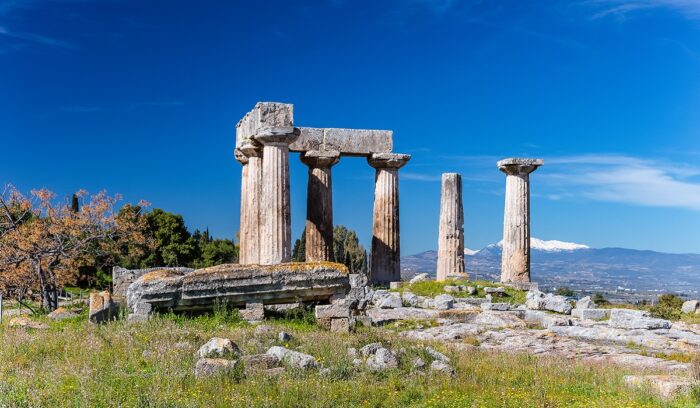
The archaeological record shows that no later than c. 515 B.C.E. distinctive cuttings for both lifting tongs and lewis irons begin to appear on stone blocks of Greek temples.
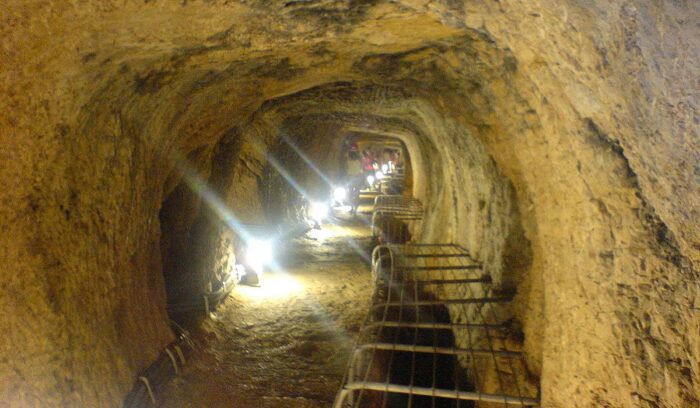
The tunnel is the second known tunnel in history which was excavated from both ends and the first with a geometry-based approach in doing so.

If the account is true, it has been suggested that Thales would have had to calculate the timing of any eclipse by recognizing patterns in the periodicities of eclipses. It has been postulated that Thales may have used the Saros cycle in his determination

The coins were made from electrum, a mixture of silver and gold that occurs naturally, and stamped with pictures that acted as denominations.

From the 6th and until the 1st century B.C.E. the Agora as the heart of the government and the judiciary, as a public place of debate, as a place of worship, and as marketplace.
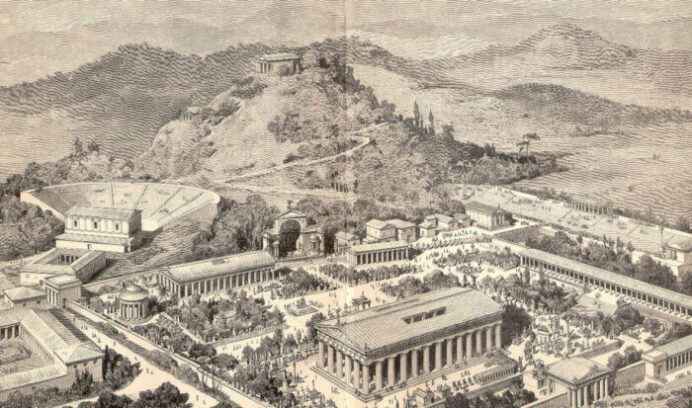
They continued for nearly 12 centuries, until Emperor Theodosius decreed in 393 C.E. that all such “pagan cults” be banned.
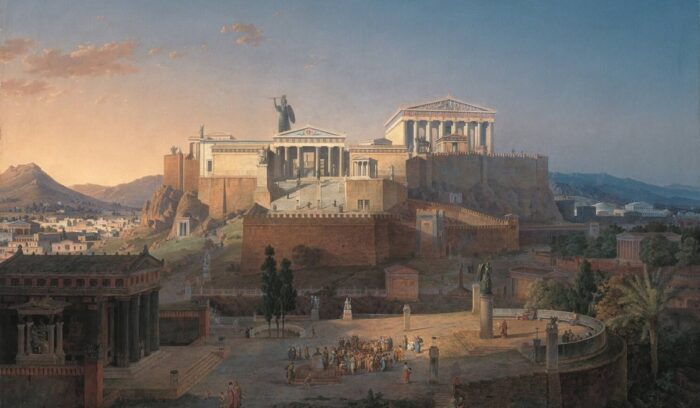
The city-states emerged from the Dark Ages which followed the fall of the Mycenaean civilization in Greece and by the 8th century B.C.E. a significant process of urbanisation had begun.

About 1000 B.C.E., speakers of Uralic language arrived in the north and assimilated with the indigenous population, becoming the Sami people.
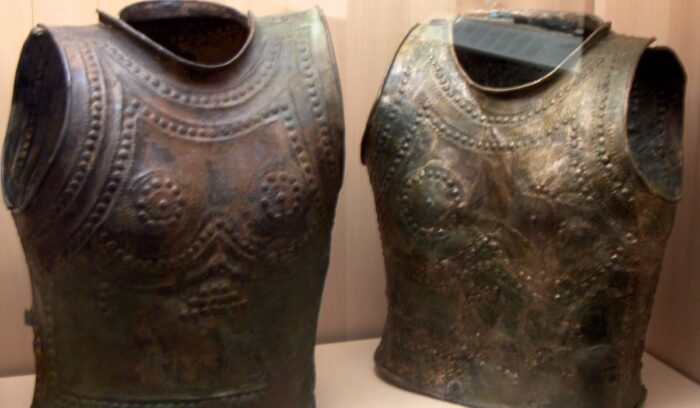
The Urnfield culture (c. 1300 B.C.E. – 750 B.C.E.) was a late Bronze Age culture of central Europe. The name comes from the custom of cremating the dead and placing their ashes in urns which were then buried in fields.