
The Great Migration sweeps across Europe
The Great Migration was a period during which there were widespread invasions of Germanic tribes and others within or into Europe, during and after the decline of the Western Roman Empire.
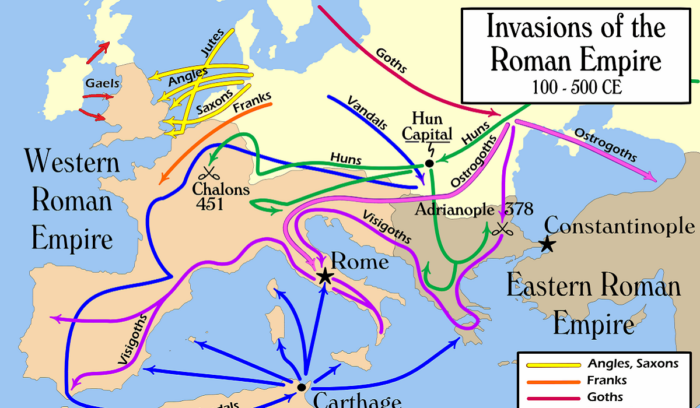
The Great Migration was a period during which there were widespread invasions of Germanic tribes and others within or into Europe, during and after the decline of the Western Roman Empire.

The Edict implicitly granted Christianity the status of religio licita, a worship that was recognized and accepted by the Roman Empire.

San Marino lays claim to being the oldest extant sovereign state in the world, as well as the oldest constitutional republic.

Hadrian’s Wall was the north-west frontier of the Roman empire for nearly 300 years.

An astrolabe is an elaborate inclinometer, historically used by astronomers and navigators to measure the inclined position in the sky of a celestial body, day or night.

Originally invented and used by the Vikings for commerce, exploration, and warfare, many of the longship’s characteristics were adopted by other cultures.
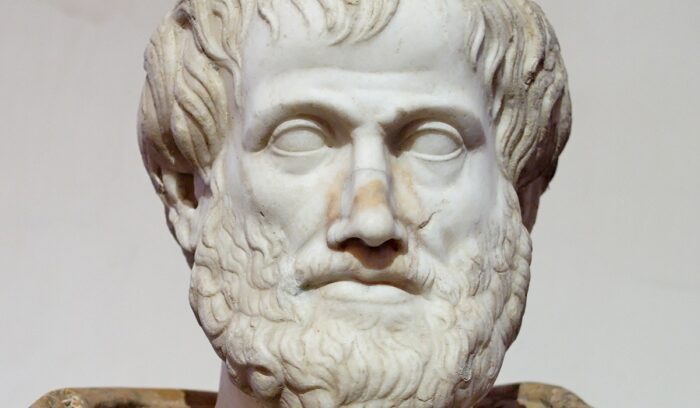
Aristotle speculated, “Now since there must be a region bearing the same relation to the southern pole as the place we live in bears to our pole…”.

The Lex Licinia Sextia, also known as the Licinian Rogations, was a series of laws proposed by the tribunes of the plebs, Lucius Sextius Lateranus and Gaius Licinius Stolo. These laws provided for a limit on the interest rate of loans and a restriction on private ownership of land. A third law, which provided for one of the two consuls to be a plebeian.
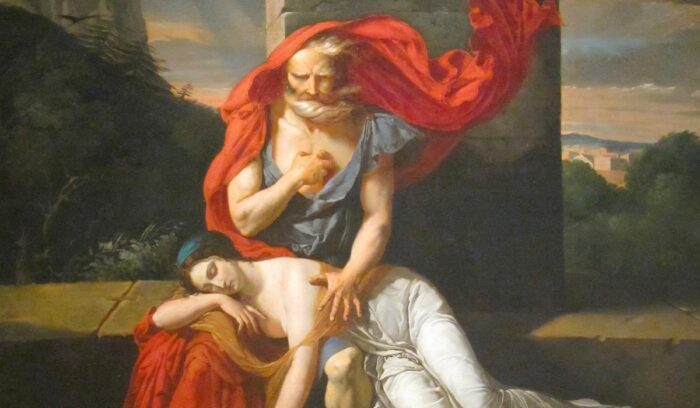
Sophocles (c. 496 – c. 406 B.C.E.) was one of the most famous and celebrated writers of tragedy plays in ancient Greece and his surviving works, written throughout the 5th century B.C.E., include such classics as Oedipus the King, Antigone, and Women of Trachis.
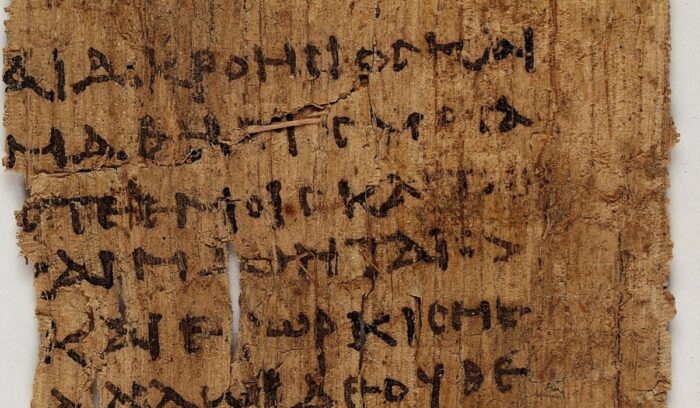
The Hippocratic Oath is one of the oldest and most widely known codes of ethics.