
The Spanish Golden Age begins
The Spanish Golden Age is a period of flourishing in arts and literature in Spain, coinciding with the rise of the Spanish Habsburg dynasty and the Spanish Empire.
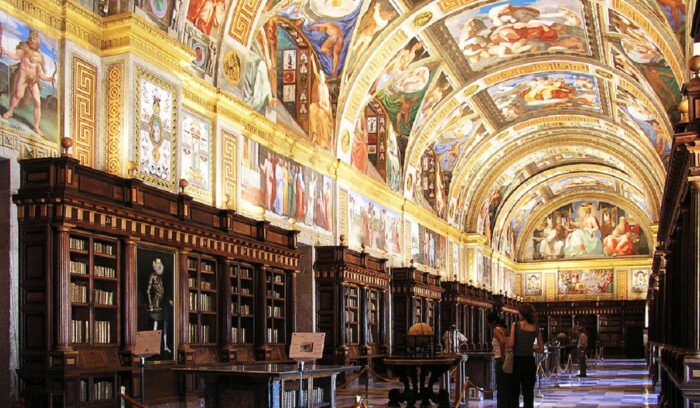
The Spanish Golden Age is a period of flourishing in arts and literature in Spain, coinciding with the rise of the Spanish Habsburg dynasty and the Spanish Empire.
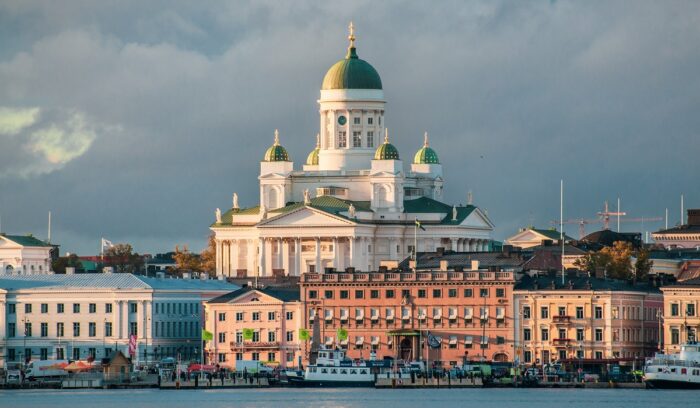
Helsinki was established as a trading town by King Gustav I of Sweden in 1550 as the town of Helsingfors, which he intended to be a rival to the Hanseatic city of Reval (today known as Tallinn). It is now the capital and most populous city of Finland.
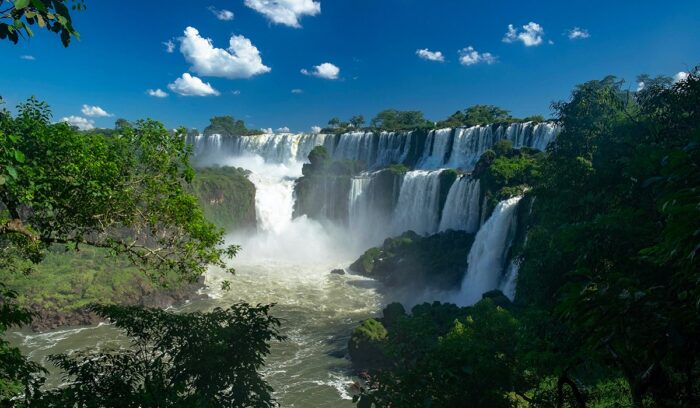
The first European to discover the Falls was the Spanish Conquistador Álvar Núñez Cabeza de Vaca in 1541, after whom one of the falls on the Argentine side is named.
European explorers, first the Portuguese in search of the Spice Islands (Indonesia) and then the Spanish, reached the Carolines in the sixteenth century.

The first depiction of Terra Australis on a globe was probably on Johannes Schöner’s lost 1523 globe on which Oronce Fine is thought to have based his 1531 map of the world.
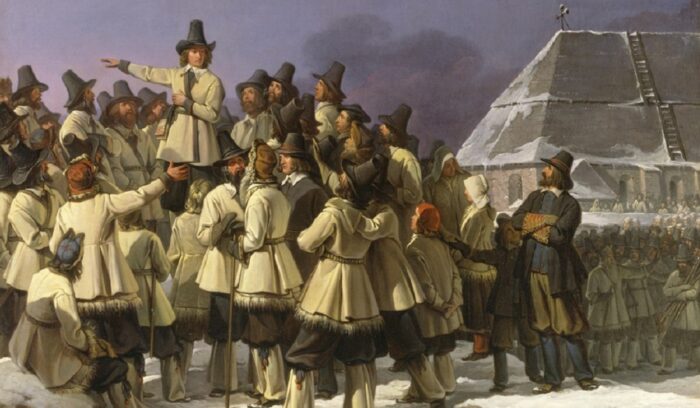
Gustav Vasa fought for an independent Sweden, crushing an attempt to restore the Union of Kalmar and laying the foundation for modern Sweden

95 Theses propounded two central beliefs — that the Bible is the central religious authority and that humans may reach salvation only by their faith and not by their deeds.
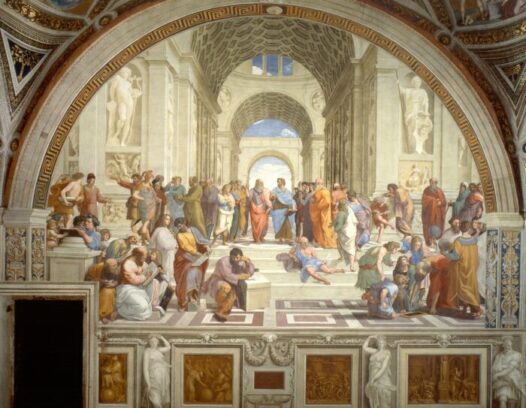
The School of Athens is considered “the perfect embodiment of the classical spirit of the High Renaissance” and it is the most famous painting by Raffaello Sanzio da Urbino.

Mona Lisa, oil painting on a poplar wood panel by the Italian painter, draftsman, sculptor, architect, and engineer Leonardo da Vinci, is probably the world’s most-famous painting.

The Garden of Earthly Delights is considered Bosch’s seminal masterpiece and the most successful and outstanding of his creations.