Public health & disease

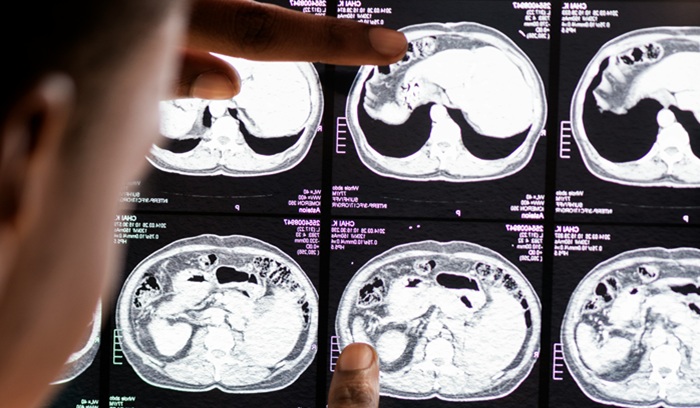
Brain x-rays

Scientists reverse Alzheimer’s in mice under breakthrough treatment

A breakthrough in neurological science is offering major hope against Alzheimer’s disease. An international research team successfully used a single-injection nanotherapy to reverse symptoms in mice. This treatment rapidly clears up to 50% of toxic amyloid proteins by rebooting the brain’s own natural clearance systems. This innovation, developed by the Institute for Bioengineering of Catalonia and West China Hospital of Sichuan University, shifts the focus from managing decline to restoring function, accelerating research toward a cure for this devastating disease.
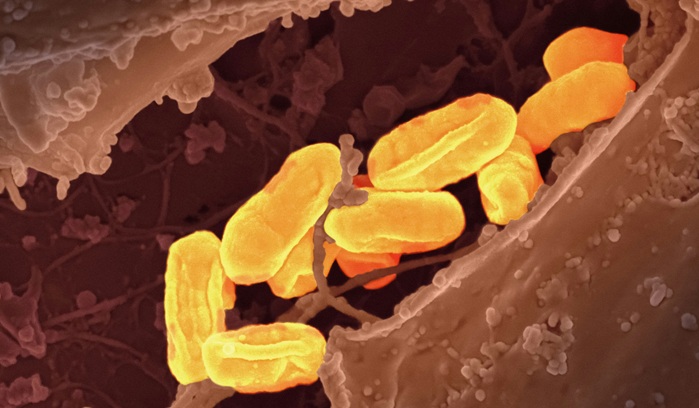
Bacteria under microscope

Cholera vaccination campaign launched in Darfur to protect over 1.8 million people

A vital cholera vaccination campaign has been launched in Darfur, Sudan, aiming to protect over 1.86 million people. This urgent intervention is a major victory for global health, achieved despite the ongoing conflict and insecurity in the region. Humanitarian teams, led by the WHO and UNICEF, overcame immense logistical challenges to deliver millions of vaccine doses. This proactive measure is crucial for halting the spread of the country’s longest-recorded cholera outbreak and safeguarding the lives of highly vulnerable populations, especially young children.

Black and white illustration of human brain

U.K. scientists successfully treat Huntington’s disease for first time ever

A breakthrough gene therapy is offering unprecedented hope for families battling Huntington’s disease (HD), a fatal neurodegenerative disorder. Trial results show the one-time therapy successfully slowed disease progression by 75% in patients. This major victory, developed by scientists at University College London, is the first treatment to truly modify the disease’s course. It transforms a devastating, inherited diagnosis into a manageable condition, accelerating research for other neurological disorders like Alzheimer’s.

Illustration of two halves of the brain

Promising new epilepsy drug delivers 80% reduction in seizures

A new epilepsy drug candidate, RAP-219, is showing remarkable promise for people whose seizures have not responded to existing treatments. In a Phase 2a trial led by Rapport Therapeutics with support from NYU Langone Health, nearly one-quarter of participants became seizure-free, while most saw their seizures cut by more than half. Using advanced neurostimulation devices to track brain activity, researchers confirmed the drug’s targeted effects and manageable side-effect profile. If larger studies confirm these results, RAP-219 could offer new hope for patients living with drug-resistant epilepsy.

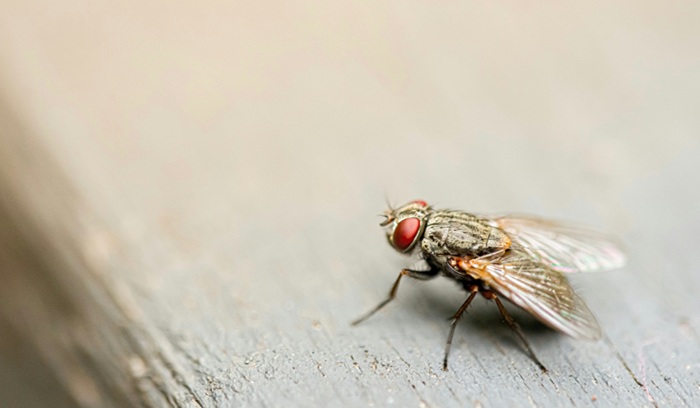
Fly

Kenya declared free of deadly sleeping sickness by WHO

Kenya has officially eliminated sleeping sickness as a public health problem—becoming the tenth country worldwide and the fifth in Africa to reach this milestone. The disease, spread by tsetse flies, causes fever, swollen lymph nodes and, if untreated, severe damage to the nervous system, disrupting sleep and leading to coma or death. Kenya recorded its last local case in 2009 and its last imported cases in 2012 after years of investment in surveillance, diagnostics and fly control. With WHO validation, Kenya’s success strengthens Africa’s collective drive to eliminate sleeping sickness across the continent by 2030.

Poon Hill, Histan Mandali, Nepal

Nepal eliminates rubella as a public health problem

Nepal has officially eliminated rubella, a contagious virus that can cause serious complications for pregnant women and lifelong disabilities for newborns. Once a major public health concern, rubella often led to miscarriage, stillbirth, or congenital rubella syndrome, which can result in heart defects, deafness, and developmental challenges. Thanks to sustained vaccination campaigns and resilient health systems, Nepal has now achieved over 95% coverage since 2012. Verified by the World Health Organization, this milestone means safer pregnancies, healthier children, and greater hope for future generations.

Lagos, Nigeria

Lagos bans single-use plastics

On July 1, 2025, Lagos introduced a ban on single-use plastics like Styrofoam plates, straws, and cutlery. The city—home to 20 million people—has long battled severe plastic pollution, with clogged waterways worsening floods and harming health. The ban is already driving grassroots recycling, sparking innovation in sustainable packaging, and raising public awareness about waste reduction. If supported by stronger enforcement, better waste systems, and affordable alternatives, this move could slash hundreds of thousands of tons of plastic waste annually—positioning Lagos as a model for African cities aiming to protect their environment and build a cleaner, more resilient future.

Good news for public health

U.S. Food & Drug Administration approves world’s first 100% effective HIV prevention drug

The U.S. FDA has approved lenacapavir (Yeztugo), the first HIV prevention shot that’s given just twice a year. In large studies, it was virtually 100% effective—no HIV cases were seen in one trial, and only two cases occurred in another with more than 2,000 people. This long-lasting protection could make it much easier for people to stay protected, especially for those who find taking a daily pill difficult. By reducing the need for frequent dosing, the new treatment has the potential to greatly expand access to HIV prevention and help move the world closer to ending the deadly epidemic that has killed more than 44 million people worldwide since 1981.

Timor-Leste coastline

World Health Organization certifies Timor-Leste as malaria-free

The World Health Organization certifies malaria elimination when a country has zero indigenous cases for three consecutive years. So far, 47 countries and one territory have earned this status. A Southeast Asian nation, committed to fighting malaria since gaining independence in 2002, has now joined them—demonstrating the impact of sustained, focused efforts to defeat this devastating disease.

Dollar bills and pills, representing medical debt

Arizona erases $429 million in medical debt

Thousands of Arizonans now have a financial burden lifted off their shoulders, Gov. Katie Hobbs announced on Wednesday. According to the Democratic governor, $429 million in medical debt has been erased for more than 352,000 Arizonans as part of a partnership between her administration and national nonprofit Undue Medical Debt. In 2024, Hobbs announced an initiative to erase $2 billion in medical debt for up to one million Arizonans.