
Good News

Dollar bills and pills, representing medical debt

Arizona erases $429 million in medical debt

Thousands of Arizonans now have a financial burden lifted off their shoulders, Gov. Katie Hobbs announced on Wednesday. According to the Democratic governor, $429 million in medical debt has been erased for more than 352,000 Arizonans as part of a partnership between her administration and national nonprofit Undue Medical Debt. In 2024, Hobbs announced an initiative to erase $2 billion in medical debt for up to one million Arizonans.
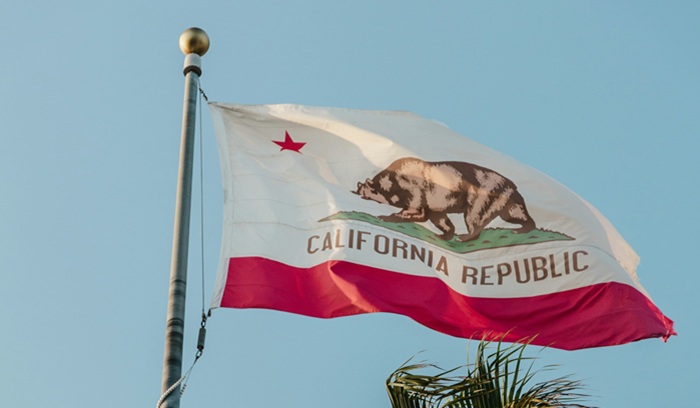
California flag

California becomes world’s largest economy to be powered by two-thirds clean energy

The state released new data showing California’s continued progress toward a clean energy future with 67% of the state’s retail electricity sales in 2023 coming from renewable and zero-carbon electricity generation — compared to just 61% the previous year and around 41% a decade ago. Then, in 2024, the state added a record-breaking 7,000 MW of clean capacity to the grid, the largest single-year increase in clean energy capacity in state history.

Solar in the foreground, wind turbines in the background

India now gets 50% of its energy from non-fossil sources

The world’s most populous nation has achieved the milestone of generating a majority of its installed electricity capacity from non-fossil fuel sources — five years ahead of its 2030 target under the Paris Agreement. India’s renewable power output rose at its fastest pace since 2022 in the first half of 2025, while coal-fired generation declined nearly 3%. The country added nearly 28 GW of solar and wind in 2024 and had already added 16 GW of wind and solar capacity by June 2025.

Dolphin

Mexico bans dolphin shows

In a landmark move for animal welfare, the Mexican Senate has voted unanimously to ban dolphin and other marine mammal shows across the country. The decision, passed 99 to 0, marks the culmination of a years-long campaign led by activists, researchers, and concerned citizens to end the exploitation of marine mammals in entertainment. The updated legislation amends Mexico’s General Wildlife Law to outlaw all “extractive exploitation” of marine mammals.

Solar farm

Solar was E.U.’s biggest source of power for the first time ever in June 2025

At least 13 E.U. countries saw solar output hit a new monthly high in June, according to an analysis from energy think tank Ember. Solar amounted to more than 40% of generation in the Netherlands and 35% in Greece. Coal generated just 6 percent of electricity, a new monthly low. Fifteen E.U. countries are now coal-free, including Austria, Belgium, and Ireland. Analysts say that the June surge in solar power helped Europe weather a brutal heat wave, which saw temperatures soar upwards of 110 degrees F Analysts say that the June surge in solar power helped Europe weather a brutal heat wave.

Yangtze River

China removes more than 300 dams along Yangtze River tributary to restore biodiversity

China has claimed to dismantle 300 dams and decommission more than 90% of small hydropower stations along the Chishui River since 2020. The move is seen as one of the world’s largest state-led efforts to restore aquatic biodiversity, reversing decades of hydro-infrastructure development that critically endangered native fish species, the South China Morning Post reported. The Yangtze sturgeon, declared extinct in the wild by the International Union for Conservation of Nature in 2022, has now shown signs of recovery.

Indigenous person from Colombia

Landmark ruling protects Indigenous Colombians from mercury pollution

The Colombian Constitutional Court has issued a landmark ruling. It orders the government to protect 30 Indigenous Amazonian communities from illegal gold mining and its devastating mercury pollution. The court found that contamination poses a direct threat to the communities’ health, food sources, and cultural survival. The decision establishes a clear legal obligation for state action, setting a powerful precedent for Indigenous-led environmental justice.

Holding a smiling baby

World’s first malaria treatment for newborn babies gets approval

Switzerland’s drug regulator has cleared the way for a new medicine to become available in parts of Africa where the life-threatening disease is endemic. In a late-stage clinical trial, pharmaceutical giant Novartis showed the drug was safe and effective for babies. The lack of specialized treatment – and the fact that babies are not vaccinated until they are around five months old – has left the youngest infants relatively unprotected against malaria, a mosquito-borne disease that kills about 597,000 people per year.

Air pollution from a coal plant

Global mercury emissions have fallen 70% over last four decades

Gold mining, coal burning, and cement and nonferrous metals production all release several thousand tons of mercury into the atmosphere every year, leading to tens of thousands of deaths worldwide. However, a team of Chinese scientists from schools in Tianjin, Beijing, Tibet, and Nanjing has found that mercury concentrations in the atmosphere have reduced by a staggering 70% since a peak in the year 2000.

Pride celebration with pride flag in foreground

In landmark ruling, same-sex couples recognized as family by Ukrainian court

Kyiv’s Desniansky District Court has formally recognized a same-sex couple as a family, marking the first legal precedent of its kind in Ukraine, human rights organization Insight LGBTQ has announced. Ukraine does not currently recognize same-sex marriages or partnerships, and this court ruling may serve as a critical legal milestone in expanding rights for LGBTQ families. According to a 2024 poll by the Kyiv International Institute of Sociology, 70% of Ukrainians believe LGBTQ citizens should have equal rights.