Good News for Humankind Your daily spark of possibility
The world is changing — for the better, and in real, indisputable ways. Climate breakthroughs. Justice wins. Scientific discoveries. From people you’ve never heard of. In places you wouldn’t expect.
Every weekday, I send a piece of good news from around the world — not to sugarcoat reality, but to remind you that change is possible.
Every weekday morning at 7am. Or sign up for the weekly digest.
What Readers Are Saying
It restores my faith that homo sapiens sapiens, even if not in everything and always, deserves the name it has given itself.
Peter is all passion. He’s spent years working toward the greater good by helping his readership and community becoming the best version of themselves. His thoughtfully curated positive news stories stem from his genuine and effortless capacity to empathize. You’re an inspiration, Peter. Thank you!
Good News daily restores my faith in humanity and in Universal Source; I’ve shared this newsletter with family and friends and we love it! Hurray for Peter’s inspiration and generosity! So grateful.
I forward this to friends who need a remedy for despair.
Good News for Humankind has been a crack of light in my inbox for years
The Latest Good News
Topic All #Resist Abortion rights & access Activism & Protests Agriculture Air pollution Animal husbandry & domestication Animal rights & well-being Architecture & design Artificial intelligence Arts, music, literature & entertainment Astronomy & space exploration Athletics & sport Black Lives Matter Blockchain & cryptocurrency Capital punishment Caste abolition Child well-being Circular economy & zero waste Cities Civilization Clean & renewable energy Climate crisis Clothing Colonialism Communication & language Conscious management Consumer rights & well-being Corporate responsibility COVID-19 Crime Culture Death & Grief Debt Decolonization Democracy & voting Disabilities & special needs Discovery & exploration Drinking water; sanitation & hygiene Drugs & Entheogens Economic inequality Education Elections Electrification Environment Ethical sourcing Ethics Evolution Finance Flora & fauna Food & diet Free speech & censorship Fresh water conservation Gay rights Gender Genocide Government Green bonds Gun safety Hate speech Healthcare Houselessness Human rights Immigration Independence Indigenous rights & well-being Infrastructure International cooperation Internet rights Journalism Justice system Kingdoms & empire Law LGBTQ+ rights & well-being Life expectancy & mortality Literature Local resilience Marine conservation Medicine Men's health & well-being Mental health & addiction Migration & settlement Military Mindfulness & self-care Minimum wage Mythology & folklore Nations Natural gas & divestment News & media No coal No fracking Nuclear disarmament Numbers & math Ocean health Oil Oil, natural gas & divestment Parenting Paris Agreement Peace Philanthropy Philosophy Physics Plastic pollution Police reform Pollution Poverty alleviation Prison justice Privacy & security Public health & disease Public safety Racial justice Refugees Religion Reparations Reproductive rights Revolution Rights of nature Same-sex marriage Seniors' rights & well-being Sexual assault & domestic violence Shamanism & rituals Social media Sustainability Sustainable Development Goals Technology & innovation Tourism Trade Transgender rights & well-being Transportation Trees & reforestation Universal basic income Water pollution Wildlife & land conservation Women's rights & well-being Workers' rights & well-being Youth & student movements
Country All Afghanistan Albania Algeria Andorra Angola Antigua and Barbuda Argentina Armenia Australia Austria Azerbaijan Bangladesh Barbados Belgium Belize Benin Bermuda Bhutan Bolivia Bosnia-Herzegovina Botswana Brazil Brunei Bulgaria Burkina Faso Burundi Cambodia Cameroon Canada Cape Verde Chad Cherokee Nation Chile China Colombia Congo Cook Islands Costa Rica Croatia Cuba Cyprus Czech Republic Democratic Republic of Congo Denmark Djibouti Dominica Dominican Republic Ecuador Egypt El Salvador England Equatorial Guinea Eritrea Estonia Ethiopia European Union Faroe Islands Federated States of Micronesia Fiji Finland France French Polynesia Gabon Georgia Germany Ghana Greece Greenland Grenada Guadaloupe Guatemala Guyana Honduras Hong Kong Hungary Iceland India Indonesia Iran Iraq Ireland Israel Italy Jamaica Japan Jordan Kazakhstan Kenya Kiribati Kosovo Kuwait Laos Latvia Lebanon Lesotho Liberia Libya Lithuania Luxembourg Madagascar Malawi Malaysia Maldives Mali Malta Marshall Islands Martinique Mauritania Mauritius Mexico Micronesia Moldova Monaco Mongolia Montenegro Montserrat Morocco Mozambique Myanmar Namibia Nauru Nepal New Caledonia New Zealand / Aotearoa Nicaragua Niger Nigeria Niue North Korea North Macedonia Northern Ireland Norway Oman Pakistan Palau Palestine Panama Papua New Guinea Paraguay Peru Poland Portugal Qatar Romania Russia Rwanda Samoa San Marino Sao Tome and Principe Saudi Arabia Scotland Senegal Serbia Seychelles Sierra Leone Singapore Slovakia Slovenia Solomon Islands Somalia South Africa South America South Korea South Sudan Soviet Union Spain Sri Lanka St. Kitts & Nevis St. Lucia St. Vincent and the Grenadines Sudan Suriname Sweden Switzerland Syria Taiwan Tanzania Thailand The Bahamas The Gambia The Netherlands The Philippines Timor Leste Togo Tokelau Tonga Trinidad & Tobago Tristan da Cunha Tunisia Turkey Turkmenistan Tuvalu Uganda Ukraine United Arab Emirates United Kingdom United States Uruguay Uzbekistan Vanuatu Vatican City Venezuela Vietnam Wales Yemen Zambia Zimbabwe
Actor All Activists Artists & philosophers Athletes Business Cities Citizens Civil society Consumers Courts Early humans Engineers Finance Humanity Humankind Indigenous groups International organizations Inventors Kingdoms & empires Media & Journalists Military Nations Non-humans Regions Religious groups Science & academia Scientists & mathematicians Settlers & explorers States & provinces Utilities Workers World leaders
2024 C.E.
June 4 Mexico's first female president won her 2024 election by roughly 30 percentage points — not a squeaker, but a landslide. Claudia Sheinbaum, a climate scientist with a doctorate in energy engineering, takes office two centuries into the Mexican Republic's history, in a country where women couldn't even vote in national elections until 1953. One 87-year-old voter told Reuters she was simply grateful to be alive to see it. Sheinbaum has pledged to keep popular...
2024 C.E.
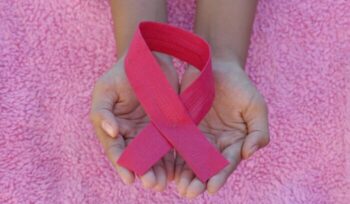
June 2 A new blood test for breast cancer recurrence spotted returning disease an average of 15 months before symptoms or scans — and in one case, a full 41 months ahead of diagnosis. In a UK trial of 78 patients, the test correctly flagged every woman who later relapsed, scanning for 1,800 cancer-related mutations in tiny fragments of tumour DNA left circulating after treatment. Lead researcher Dr. Isaac Garcia-Murillas explained that dormant cells too few...
2024 C.E.
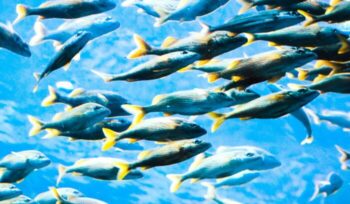
June 1 Peru's new Grau Tropical Sea National Reserve safeguards 115,675 hectares of ocean where the warm Eastern Pacific meets the cold Humboldt Current — a collision the IUCN ranks among the 70 most vital places on Earth for marine biodiversity. Humpback whales birth their calves here, hammerhead sharks patrol the reefs, and scientists keep finding species entirely new to them. The reserve also matters for people: of the 35 main fish species landed by Peru's...
2024 C.E.
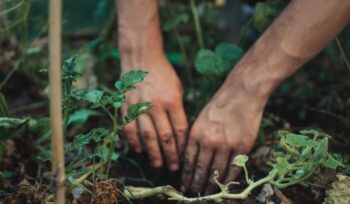
May 31 More than 700 campesino families in the Colombian Amazon have planted nearly a million native trees across former cattle pasture, transforming one of the country's worst deforestation hotspots into recovering forest. In just four months, families across the Cuemaní region planted over 984,000 trees and palms — and tapirs, deer, and parrots that had disappeared with the chainsaws are already coming back. Teenagers who joined botanical surveys alongside scientists discovered they could earn a...
2024 C.E.
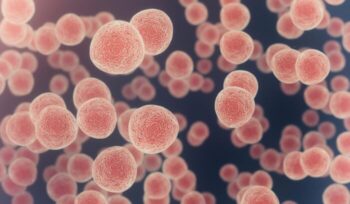
May 31 Cancer vaccine trials are now being fast-tracked through a landmark NHS program in England that matches patients with personalized mRNA vaccines built around their individual tumors. The Cancer Vaccine Launch Pad, operating across 30 hospitals, uses the same mRNA technology behind COVID-19 vaccines to design custom treatments targeting each patient's unique cancer mutations. The program aims to eliminate remaining cancer cells after surgery before they can return. Early immune response data is encouraging, and...
Load More
Enjoying these stories? Get one delivered to your inbox every weekday morning — free.
Go to good news archives for specific countries, institutions, topics, etc.