Today (2017 C.E. - 2025 C.E.)

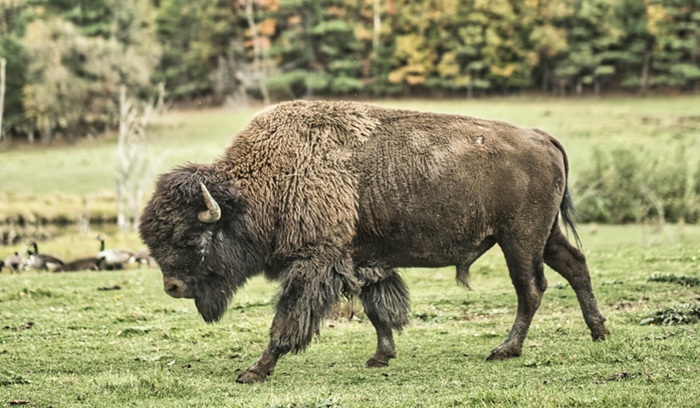
Bison

Wild bison return to Illinois prairie after nearly 200 years

In a historic moment for conservation, wild bison have returned to the Illinois prairie for the first time in nearly two centuries. The Nature Conservancy has successfully reintroduced a genetically pure herd to the Nachusa Grasslands, marking the first time wild bison have roamed east of the Mississippi since the 1830s. This ecological milestone aims to restore the health of the tallgrass prairie, as the bison’s natural grazing habits boost biodiversity and support other native species. The project offers a powerful model for rewilding and connecting communities with their natural heritage.


Illustration of electric cars

Electric car sales outpace gas-powered cars in the E.U. for the first time

In a historic shift for the automotive industry, fully electric vehicles (EVs) have outsold petrol cars in the European Union for the first time. Data from the European Automobile Manufacturers Association shows that EVs captured 23.6 percent of the market in December 2025, surpassing petrol registrations. This milestone confirms that the transition to zero-emission transport is accelerating rapidly, driven by strong climate policies, falling costs, and growing consumer confidence. The achievement marks the beginning of the end for fossil fuel dominance on European roads.

Rainforest canopy

Bolivia protects over 2.4 million acres of Amazonian rainforest in major conservation win

In a massive victory for the Amazon, Bolivia has established the Rhukanrhuka Municipal Protected Area, safeguarding nearly 2.4 million acres of critical rainforest. This achievement is the result of a powerful partnership between the municipal government of Reyes and the Tsimane, Movima, and Yuracaré Indigenous communities. The new reserve protects vital habitats for endangered species like the Bolivian river dolphin and secures a massive carbon sink. This initiative empowers local stewardship and promotes sustainable economic alternatives to deforestation.

Pride flags and celebration

Supreme Court of the Philippines grants property rights to same-sex couples in historic ruling

In a landmark victory for LGBTQ+ rights, the Supreme Court of the Philippines has ruled that same-sex couples can be legally recognized as co-owners of property. This historic decision applies Article 148 of the Family Code to same-sex unions for the first time, ensuring that partners who build a life together have legal protection for their shared assets. While not legalizing marriage, the ruling validates the legitimacy of these relationships and calls on Congress to enact broader protections, setting a progressive precedent for Southeast Asia.

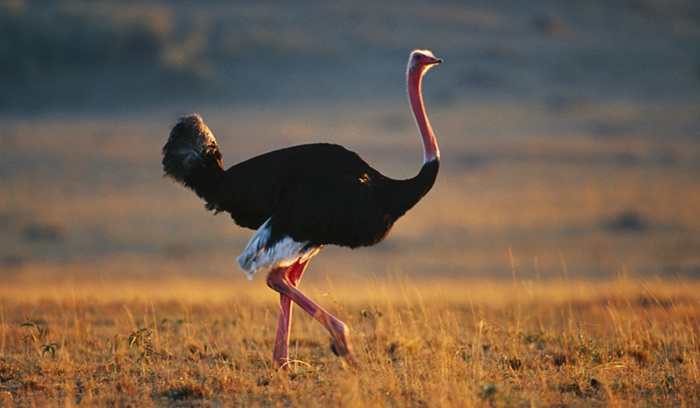
Ostrich

Ostriches return to Saudi Desert after 100 years in historic rewilding effort

In a major conservation victory, the red-necked ostrich is thriving once again in the Saudi Arabian desert after a 100-year absence from the wild. The population in the Imam Turki bin Abdullah Royal Natural Reserve has surged to nearly 250 individuals following a successful reintroduction program. This initiative restores a key species to its ancestral habitat, where natural breeding has already begun with the hatching of wild chicks. The success signals a new era of effective rewilding and biodiversity protection in the Kingdom.

Peeling paint

Lead pollution plummets 100-fold in the U.S. over last century

A new study analyzing over a century of human hair samples reveals a massive environmental victory: lead pollution in the US has dropped by 100-fold since 1916. Researchers at the University of Utah confirmed that regulations like the Clean Air Act and the ban on leaded gasoline drove concentrations from nearly 100 ppm to less than 1 ppm. This dramatic decline has protected millions of children from neurotoxic exposure, proving the incredible efficacy of science-based environmental policy over the last century.

Sea turtle underwater

Historic U.N. High Seas Treaty enters into force, launching a new era of global ocean governance

A new era for marine conservation has begun as the UN-brokered High Seas Treaty officially enters into force. Following ratification by 60 nations, this landmark agreement creates the first legal framework to protect biodiversity in the two-thirds of the ocean that lies beyond national jurisdiction. By empowering the creation of large-scale Marine Protected Areas, the treaty provides a crucial mechanism to safeguard vulnerable species like whales, sharks, and deep-sea corals from unregulated exploitation, ensuring the long-term resilience of the global ocean ecosystem.

High schoolers

New Jersey becomes latest U.S. state to ban student phones in schools

Governor Phil Murphy has signed a “bell-to-bell” cellphone ban for all New Jersey public schools, joining a growing list of states like Florida and Indiana in restricting device use. The law, effective for the 2026-2027 school year, requires phones to be stored away throughout the entire school day to improve student focus and mental health. This comprehensive policy reflects a rising bipartisan consensus across the U.S. that removing digital distractions is essential for restoring a healthy, engaging educational environment.

Planting a tree

Guatemala launches historic rewilding of oil fields to protect the Maya Forest

Guatemala has launched a historic rewilding initiative by permanently closing the Xan oil field inside Laguna del Tigre National Park. This decision protects a massive ecosystem spanning approximately 827,000 acres, which is critical for jaguars and migratory birds. Instead of dismantling the site entirely, the government is repurposing the industrial infrastructure into a security base for rangers to fight illegal deforestation. This innovative “oil-to-wilderness” transition prioritizes ecological recovery and water security, setting a new global standard for retiring fossil fuel assets in protected areas.

African children

Guinea worm disease on the brink of being eradicated worldwide

The global campaign to eradicate Guinea worm disease has achieved a record low, with only 10 human cases reported worldwide in 2025. This historic milestone brings humanity to the brink of wiping out its second-ever human disease. The success is driven by the Carter Center’s grassroots strategy, which relies on water filtration and community education rather than vaccines. Despite challenges with animal infections, key endemic regions like Chad have seen significant reductions, proving that persistent, low-tech interventions can defeat even the most debilitating ancient parasites.