Civilization (3000 B.C.E. - 500 C.E.)

This archive covers the ancient world’s most consequential leaps forward — from the first writing systems and legal codes to advances in mathematics, medicine, engineering, and governance. Spanning roughly 3,500 years, it collects milestones from Mesopotamia, Egypt, Greece, Rome, China, India, and beyond that shaped how humans organize society, record knowledge, and build lasting institutions.

Pyramids at Giza, for article on great pyramid of giza, for article on old kingdom of egypt

Egypt’s Great Pyramid of Giza rises as ancient engineering marvel

The Great Pyramid of Giza rose around 2550 B.C.E. outside Memphis, built by tens of thousands of paid Egyptian laborers who lived in a village with bakeries, breweries, and medical care. A mid-level official’s logbook, unearthed in 2013, describes limestone blocks floating in by canal — a glimpse of ancient project management still shaping how we imagine human ambition.

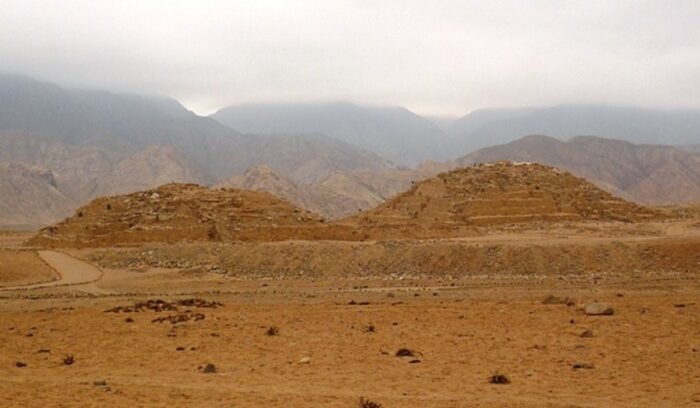
image for article on caral civilization

Ancient Andeans build one of the world’s first cities at Caral in Peru

Caral rose in Peru’s Supe Valley around 2627 B.C.E., a thriving city of pyramids and plazas built while Egypt’s great pyramids were still going up a world away. Archaeologist Ruth Shady’s excavations found flutes carved from condor bones but no weapons — hints of a society built on trade and ceremony. It’s the earliest confirmed urban center in the Americas.

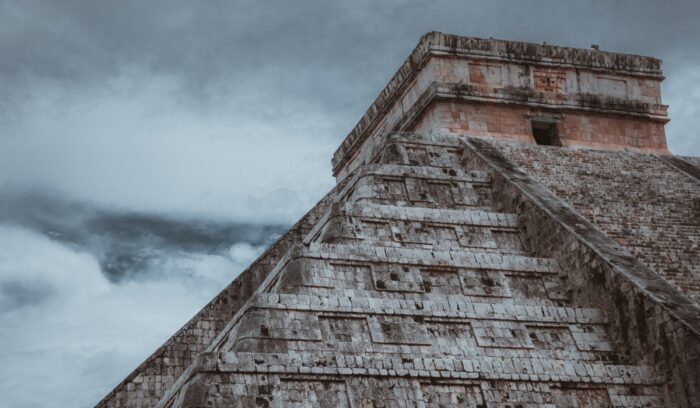
Chichen Itza pyramid, for article on early Maya civilization

Early Maya civilization takes root in Mesoamerica

Maya civilization took root around 2000 B.C.E., when small farming villages first appeared along Guatemala’s Pacific coast and in the Petén lowlands—long before the famous stone cities rose. These early communities grew maize, beans, and squash, and traded obsidian and jade across surprising distances. Their descendants, roughly seven million Maya today, still carry that thread forward.

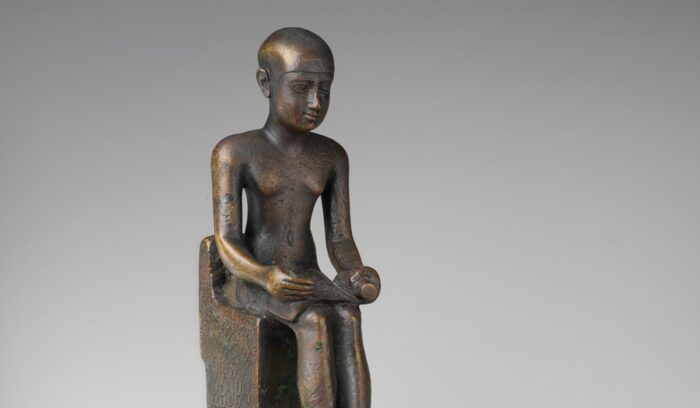
Statuette, for article on cancer diagnosis history

The Edwin Smith Papyrus records the first known written cancer diagnosis

The Edwin Smith Papyrus, written around 2650 B.C.E., contains what historians recognize as the oldest known written diagnosis of cancer. In a surgical text methodically working through 48 cases, an Egyptian scribe described hard, cool tumors of the breast and offered an unflinching verdict: “There is none.” Naming a disease honestly, it turns out, is itself ancient medicine.

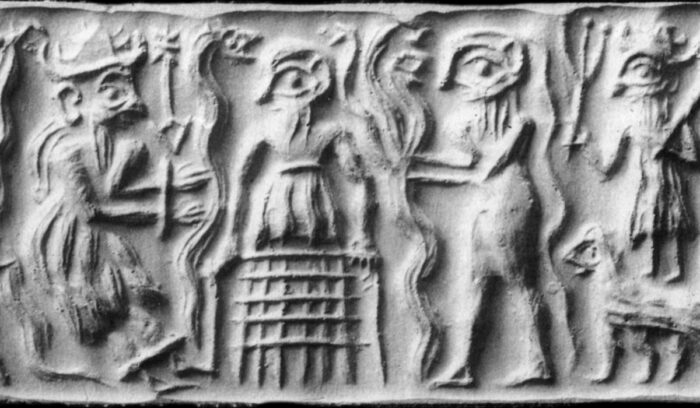
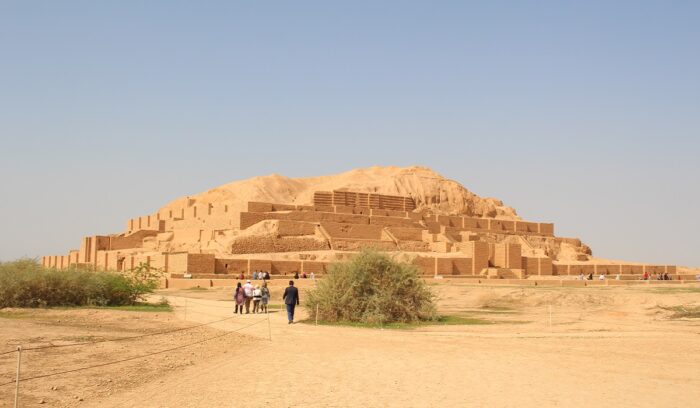
Ziggurat at Chogha Zanbil, for article on Old Elamite period

Old Elamite kingdoms unify in southwest Iran, forging one of the ancient world’s great powers

The Old Elamite period began around 2700 B.C.E. in what is now southwestern Iran, as the states of Anshan, Awan, Shimashki, and Susa federated into a single political world. Rather than ruling through one capital, Elamite leaders linked highland mines and lowland farms through coordinated exchange — an organizational logic that later shaped the Persian Achaemenid Empire.

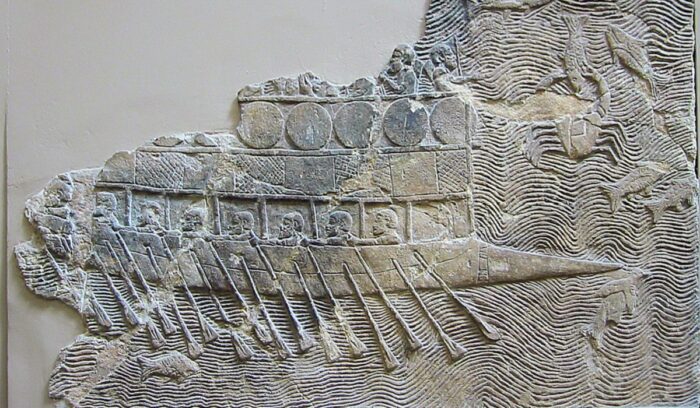
Warship with two rows of oars, for article on Phoenician civilization

Phoenician civilization rises from the Canaanite coast of the eastern Mediterranean

Phoenician traders were plying the eastern Mediterranean from cities like Byblos, Tyre, and Sidon as early as 2750 B.C.E., exchanging cedar and purple dye for goods from Egypt and beyond. Around 1050 B.C.E., they refined a 22-letter alphabet that became the ancestor of Greek, Latin, Arabic, and Hebrew — the quiet root of nearly every script we read today.

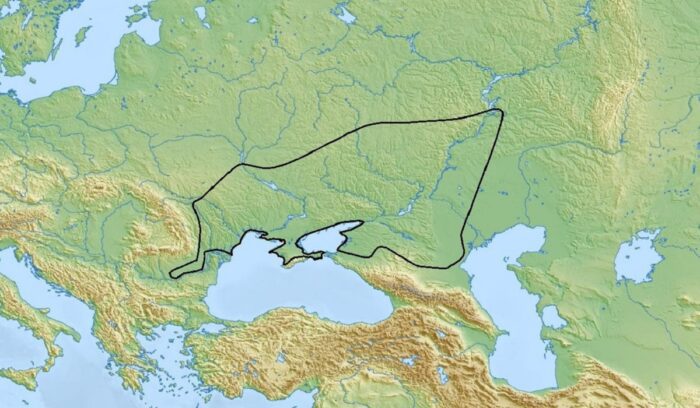
Map of Catacomb culture, for article on catacomb culture

Catacomb culture flourishes across the Pontic steppe

The Catacomb culture took shape on the grasslands north of the Black Sea around 2,500 B.C.E., leaving behind graves unlike anything the steppe had seen before — vertical shafts with side niches holding the dead, silver rings, clay-modeled faces. Their reach, from Mycenae to Syria, hints at a steppe world far more connected than we tend to imagine.