
Civilization (3000 B.C.E. - 500 C.E.)

This archive covers the ancient world’s most consequential leaps forward — from the first writing systems and legal codes to advances in mathematics, medicine, engineering, and governance. Spanning roughly 3,500 years, it collects milestones from Mesopotamia, Egypt, Greece, Rome, China, India, and beyond that shaped how humans organize society, record knowledge, and build lasting institutions.

image for article on blessing ceremony

Unification Church launches mass wedding ceremonies across racial and national lines

In 1961, the Unification Church held its first Holy Marriage Blessing in Seoul, where 36 couples were matched by founder Sun Myung Moon in a ritual designed to pair partners across national, racial, and religious lines. By 1988, the ceremony linked 2,500 Korean and Japanese members — an intimate attempt at reconciliation between two nations scarred by colonial history.

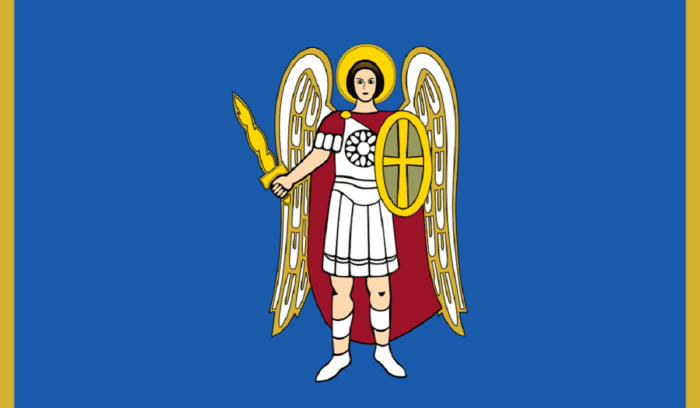
image for article on Kyiv founding

Kyiv’s legendary founding marks the rise of a great Slavic city

Kyiv’s origins stretch back to the 6th or 7th century, when Slavic communities settled the high banks of the Dnieper along the ancient trade route linking Scandinavia to Constantinople. Legend credits three brothers and their sister, but the real story is layered: Khazars, Varangians, and Byzantine merchants all shaped a city three modern nations still trace their identity to.

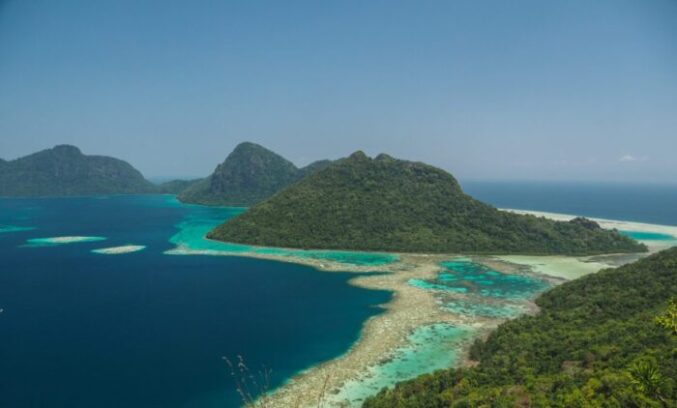
lesly derksen Yzbqi BXwh unsplash scaled, for article on Borneo trade networks

Borneo’s coastal peoples build early trade networks with the wider world

Borneo’s coastal trade networks were humming by the early centuries C.E., long before European ships reached Southeast Asia. Indigenous communities, drawing on tens of thousands of years of forest knowledge, exchanged camphor, aromatic woods, and hornbill ivory with merchants from India and China. It’s a quiet reminder that global commerce has deeper roots than the written record often suggests.

graphic node pxn nMy wew unsplash, for article on Madagascar settlement

Austronesian seafarers become the first settlers of Madagascar

Madagascar’s first settlers arrived sometime between 350 and 700 C.E., crossing roughly 6,000 kilometers of open Indian Ocean in outrigger canoes from what is now Indonesia. Centuries later, Bantu-speaking peoples joined them from East Africa, and the two founding populations gradually merged. The result was the Malagasy language and people — and one of humanity’s last great landmasses finally inhabited.