
Disney embraces $15 minimum wage in negotiations with workers
Disney says that marks the largest increase to starting wages it’s ever offered.
This archive covers documented progress on workers’ rights and well-being — from wage gains and safer workplaces to expanded labor protections and organizing wins. Across 60 articles, these stories report on real policy changes, court rulings, and workplace shifts that improve conditions for workers in the U.S. and around the world. If you follow labor issues, this is where the evidence of progress lives.

Disney says that marks the largest increase to starting wages it’s ever offered.
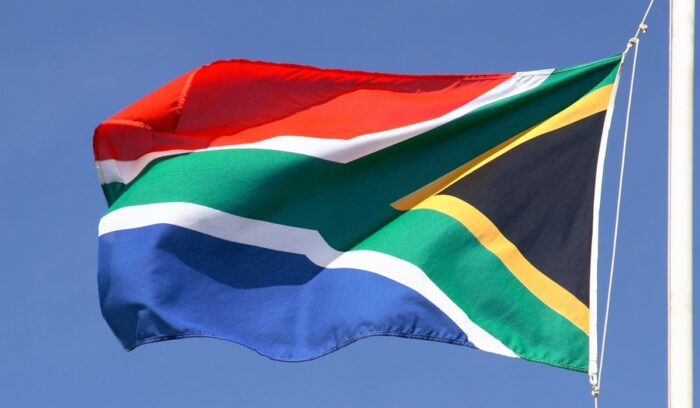
South Africa’s parliament passed a national minimum wage bill by an overwhelming majority to tackle strikes and wage inequality.

New Jersey becomes the 10th state to enact sick-leave legislation. Under the law, employers are required to provide one hour of sick leave for every 30 hours worked.

Following intense tripartite negotiations, the Iranian government, employers and unions agreed to increase the country’s minimum wage by 19.8%, from 9.29 million rials ($245) per month to 11.14 million rials ($294.50).
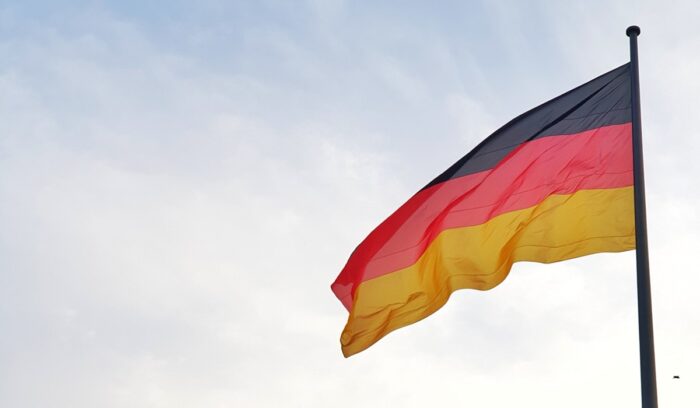
German workers won a key victory in their fight for a better work-life balance when a big employers’ group agreed to demands from the country’s largest trade union for the introduction of a 28-hour working week.
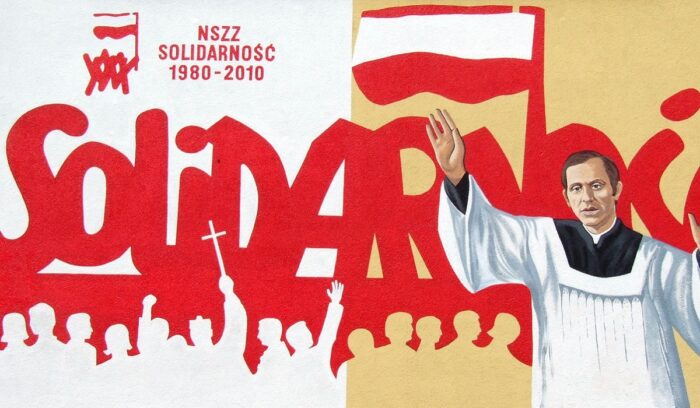
Solidarity was born in August 1980, when workers at the Lenin Shipyard in Gdańsk walked off the job after crane operator Anna Walentynowicz was fired months before retirement. Within a year, the union counted 10 million members, roughly a third of Poland’s working-age population — the first independent trade union recognized in the Soviet bloc.
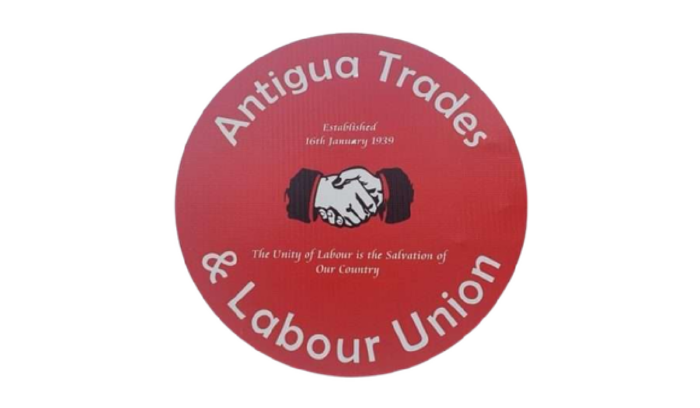
In 1939, Antiguan workers formed the Antigua Trades and Labour Union, their first organized voice more than a century after Britain’s 1833 emancipation had left the plantation economy intact. Under Vere Cornwall Bird, who became president in 1943, the union grew into a political platform — and eventually a pathway to independence in 1981.
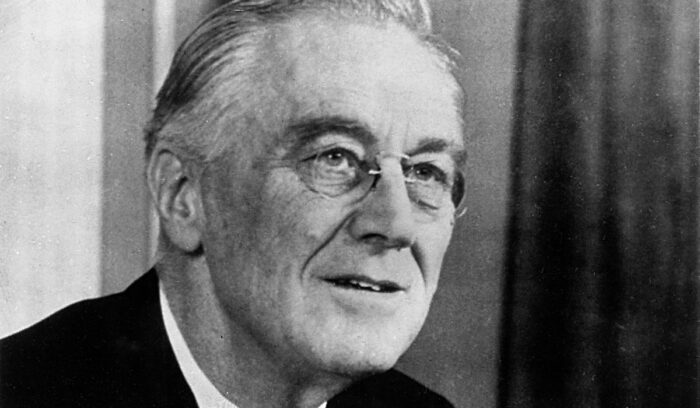
The New Deal launched in spring 1933, when Franklin D. Roosevelt took office with roughly a quarter of Americans out of work and banks collapsing nationwide. Over the next five years, a rush of laws created Social Security, federal deposit insurance, and jobs for millions. Much of that architecture still shapes American life today.

In 1929, a union of mostly immigrant garment workers won something no labor organization ever had: a binding, industry-wide agreement for a five-day, 40-hour workweek. The Amalgamated Clothing Workers of America secured it nearly a decade before federal law caught up, proving that rest could be bargained for — and won.
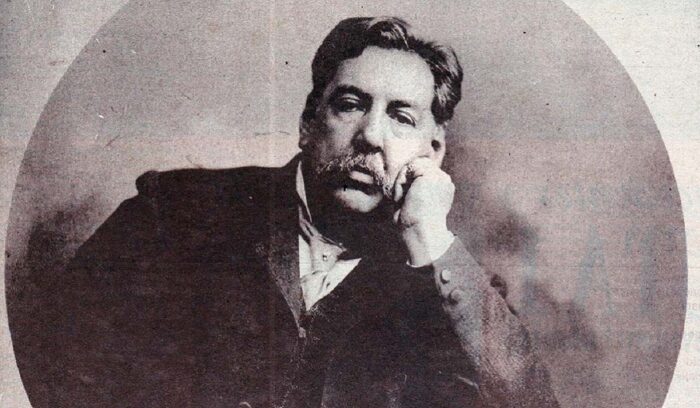
Uruguay’s social reforms in the early 1900s turned a small South American country into an unlikely pioneer of progressive governance. Under President José Batlle y Ordóñez, the nation established the eight-hour workday, separated church from state, and opened its national university to women. A quietly radical experiment, built on the eastern bank of the River Plate.