Women's rights & well-being

This archive covers documented progress on women’s rights and well-being worldwide — from legal reforms and health advances to economic gains and shifts in policy. Stories here focus on what’s working, who’s driving change, and where meaningful progress is taking hold.

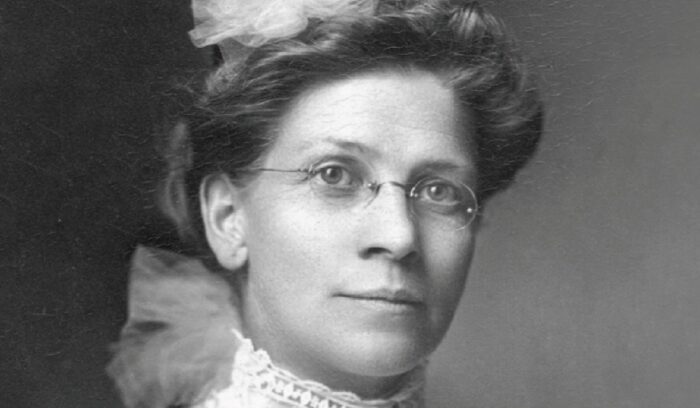
Clara Abbott, for article on female corporate board director

Clara Abbott joins Abbott Laboratories board in one of history’s earliest known female director appointments

In 1900, Clara Abbott took a seat on the board of Abbott Laboratories, making her the earliest known female director among today’s Fortune 250 companies. A 2012 survey found the typical firm in that group didn’t appoint its first woman until 1985 — 85 years later. Her quiet precedent shows how slowly corporate doors opened.
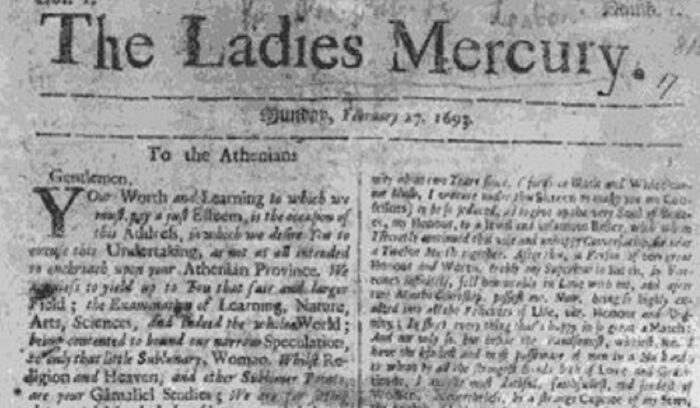
image for article on Ladies' Mercury

The Ladies’ Mercury, the first periodical for women, is published in London

The Ladies’ Mercury appeared in London in late February 1693, a single double-sided sheet promising answers to questions on love, marriage, and behavior from women readers. It ran just four issues over four weeks, fielding queries in what may be the earliest advice-column format aimed at women. A small pamphlet that helped establish women as a reading public worth addressing directly.

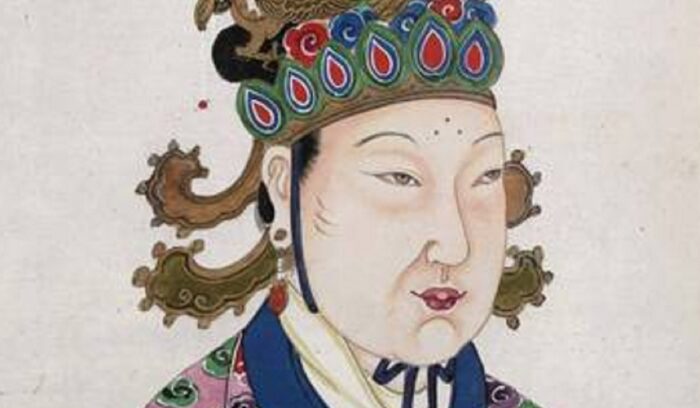
A Tang Dynasty, for article on Wu Zetian emperor

Wu Zetian seizes the throne and becomes China’s sole female emperor

Wu Zetian declared herself emperor of China in 690 C.E., founding the Zhou Dynasty at age 65 after decades navigating the Tang court as concubine, empress, and regent. During her 14-year reign, she expanded the imperial examination system, opening government service to talent beyond the aristocracy. She remains the only woman to hold the title in over 2,000 years of Imperial Chinese history.

Baby and mother holding hands, for article on cesarean birth survival

Jacob Nufer performs the first recorded cesarean birth with both mother and baby surviving

Cesarean birth survival entered medical memory around 1500 C.E., when a Swiss pig gelder named Jacob Nufer reportedly opened his wife’s abdomen after days of failed labor — and both lived. The story, written down 82 years later by a surgeon with an agenda, may be embellished, but it gave European medicine something powerful: proof that survival was even imaginable.