
Women's rights & well-being

This archive covers documented progress on women’s rights and well-being worldwide — from legal reforms and health advances to economic gains and shifts in policy. Stories here focus on what’s working, who’s driving change, and where meaningful progress is taking hold.

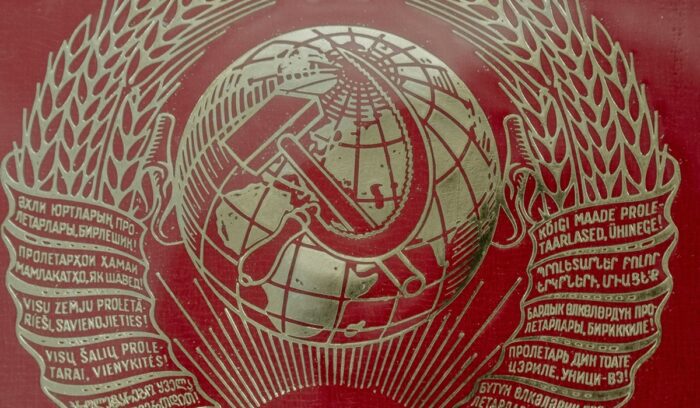
Red and gold Soviet Union logo, for article on Soviet abortion legalization

Soviet Russia becomes the first modern state to legalize abortion

Soviet Russia legalized abortion in October 1920, becoming the first modern government to permit the procedure without restriction, and often for free. The decree aimed to move women away from underground providers and into hospitals — by 1925, roughly three-quarters of abortions in Moscow were performed in medical facilities. It was an early, imperfect test of treating reproductive health as medicine rather than crime.

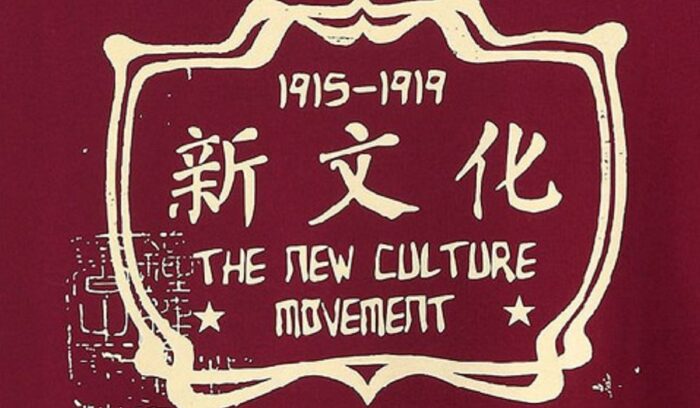
Poster for China's New Culture Movement, for article on New Culture Movement

China’s New Culture Movement challenges Confucianism, champions democracy

New Culture Movement thinkers in 1915 Shanghai launched a magazine that would reshape modern China. Chen Duxiu’s New Youth called for “Mr. Science” and “Mr. Democracy” to replace Confucian tradition, while Hu Shih urged writers to abandon classical Chinese for the language people actually spoke. Four years later, those ideas spilled into the streets.

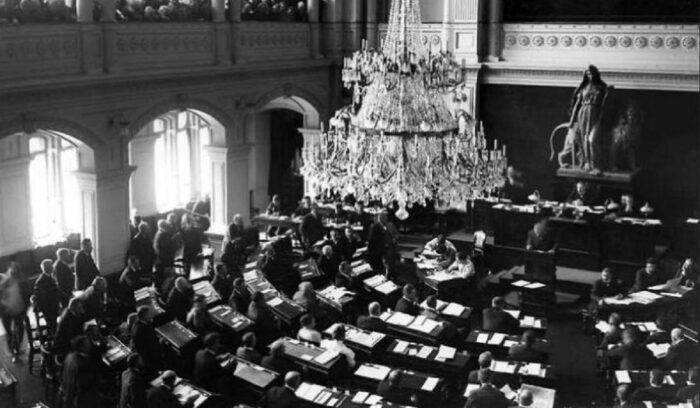
Finland's Eduskunta in 1907, for article on Finnish women parliamentarians

Finland elects 19 women to parliament in a world first

In the spring of 1907, nineteen women walked into Finland’s Eduskunta as elected members — the first female parliamentarians anywhere in recorded history. They were teachers, journalists, and labor organizers, filling roughly 10 percent of the 200 seats. A quiet proof of concept that democracy could include everyone, built on decades of patient groundwork.

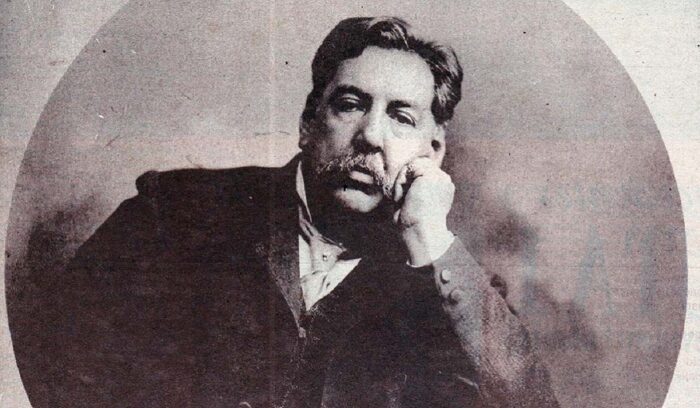
José Batlle y Ordóñez, for article on Uruguay social reforms

Uruguay’s José Batlle y Ordóñez launches sweeping social reforms

Uruguay’s social reforms in the early 1900s turned a small South American country into an unlikely pioneer of progressive governance. Under President José Batlle y Ordóñez, the nation established the eight-hour workday, separated church from state, and opened its national university to women. A quietly radical experiment, built on the eastern bank of the River Plate.

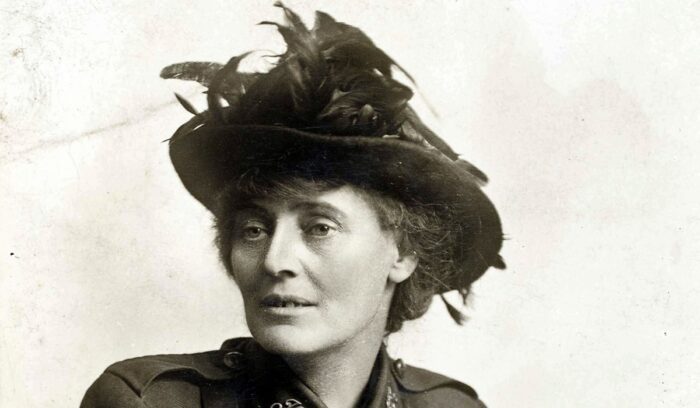
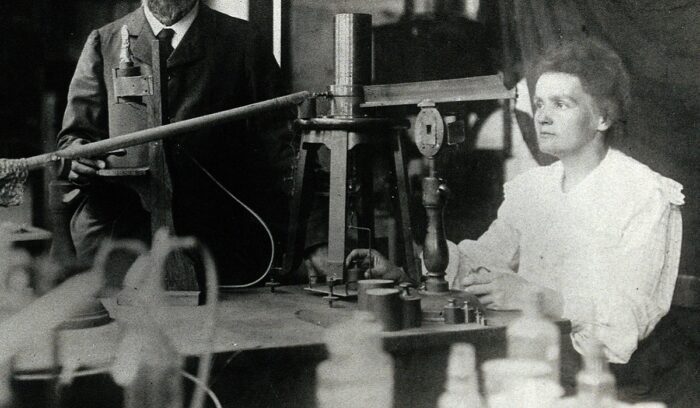
Marie Curie in the laboratory, for article on radioactivity research

Marie Curie becomes first woman to win Nobel Prize for radioactivity research

Marie Curie made history in December 1903, becoming the first woman to receive a Nobel Prize for her work on radioactivity. Working from a leaking Paris shed, she and Pierre isolated two new elements from tons of pitchblende ore, naming one polonium after her partitioned homeland. Her insight that radiation came from atoms themselves reshaped modern physics.